(fyiteam)

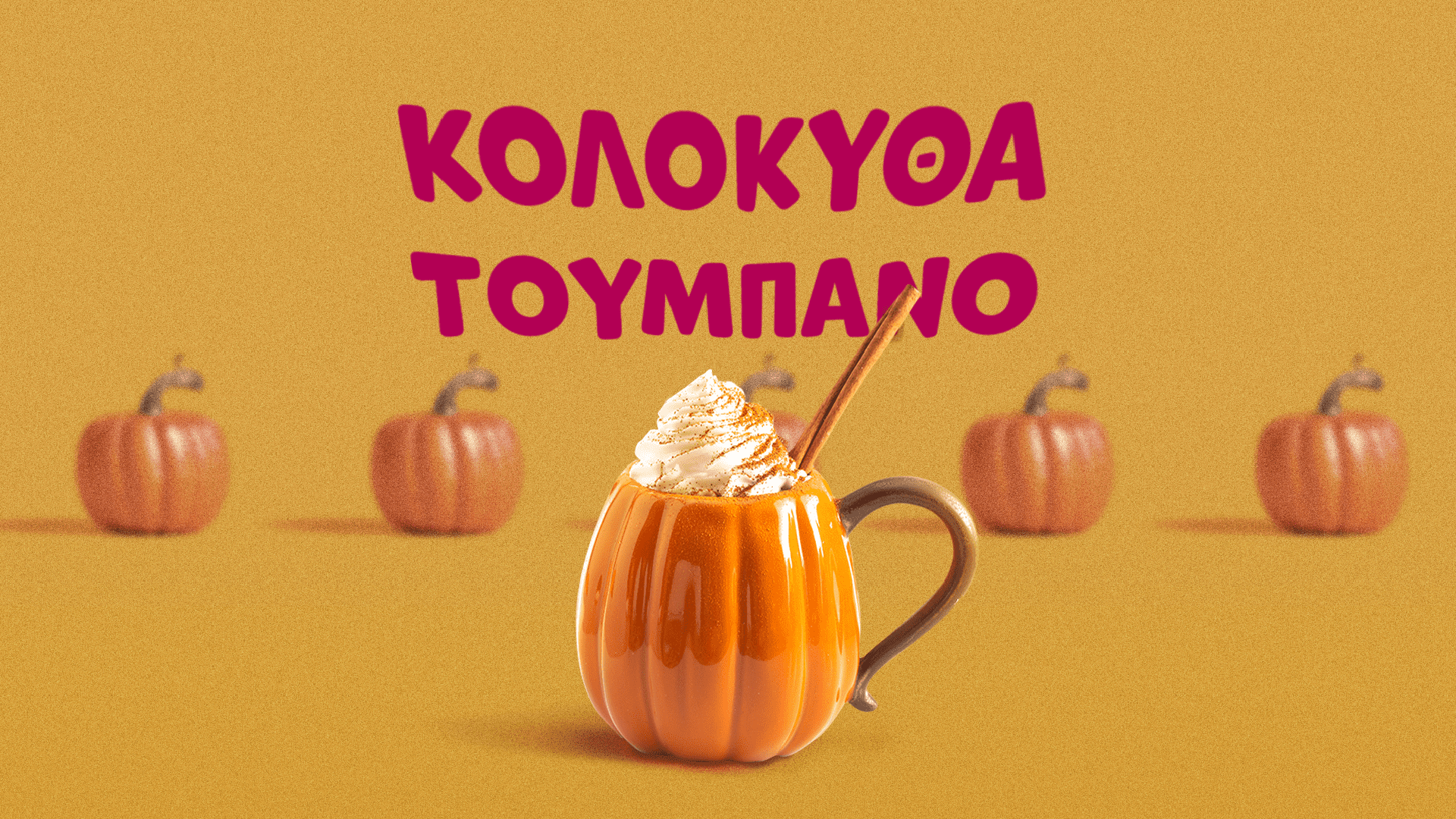
The successful marketing of Pumpkin Spice

Add your Headline Text Here
@fyinews team

03/10/2025

Copy link
fyi:
  • How does a flavor become associated with a season?
  • Where did pumpkin spice start?
  • And how far has it gone?
  • What explains this success over the past 20 years? Reason No. 1
  • What explains this success over the past 20 years? Reason No. 2
  • How are younger generations continuing to engage with pumpkin spice?
  • Not even a single PSL, however, is warming up Starbucks’ finances
  • Many stopped drinking lattes over unionization and Palestine
  • Sources

How does a flavor become associated with a season?

(fyiteam)

What could coffee, beer, scented candles, yogurt, packaged desserts, and dog food possibly have in common?

Every year, from late summer until the start of the Christmas season, they are released in a specific limited-edition flavor/aroma: pumpkin spice.

How did this happen?
We’ll tell you.

Where did pumpkin spice start?

(fyiteam)

Back in 2003, the coffee chain Starbucks was looking for a new coffee flavor that would be “unique.”

The pumpkin spice latte* (or PSL) that emerged is made with a pumpkin-flavored syrup and a spice blend of cinnamon, ginger, nutmeg, and clove.

Since then, more than 600 million pumpkin spice lattes have been sold.

*It contains 390 calories—about the same as two slices of Margherita pizza.

And how far has it gone?

(fyiteam)

Overall, the global market for pumpkin spice–flavored products was valued at $1.1 billion in 2003 and is expected to grow to $2.4 billion by 2031—larger than the GDP of some small countries.

The largest audience for pumpkin spice products is in the U.S., where the market for related foods reached $511 million in 2019.

At the same time, every year the first pumpkin spice products arrive earlier and earlier: this year, on August 8.

What explains this success over the past 20 years? Reason No. 1

(fyiteam)

Scarcity strategy

Pumpkin spice products are available only for a few months each year. As a result, artificial scarcity renews demand annually, and consumers do not have time to grow tired of them.

What explains this success over the past 20 years? Reason No. 2

(fyiteam)

Connection to emotions and memories

Spices activate areas of the brain associated with memories and emotions, while, due to their yearly recurrence, they evoke a “sense of autumn.” At the same time, high sugar content activates the brain’s “reward system,” enhancing feelings of pleasure.

How are younger generations continuing to engage with pumpkin spice?

(fyiteam)

Pumpkin spice may have been more popular among Millennials, but Gen Z is continuing the trend, as pumpkin spice products fall into the category of “little treats.”*

Notably, in a related survey, more than half of Gen Zers said that, although they are not financially secure, they buy at least one “little treat” per week.

Small, non-essential purchases, usually more expensive, that consumers justify either as a reward for an achievement or as comfort during a difficult moment.

Not even a single PSL, however, is warming up Starbucks’ finances

(fyiteam)

Although the pumpkin spice market is expanding, the company that started it is not doing so well.

A few days ago, it announced the layoff of approximately 900 employees and the closure of around 100 stores in North America, as part of a plan to rescue its finances, having already laid off 1,100 employees earlier this year.

This did not start now. Sales and share prices began to decline in the fall of 2023, with its CEO stating that the company’s boycott, mainly in the Middle East, is partly to blame.

Many stopped drinking lattes over unionization and Palestine

Since 2023, a large wave of consumers has been boycotting the company over the lawsuit it filed against its workers’ union, “Starbucks Workers United,” in 2023, following a pro-Palestine post by the union on 07.10.2023.

Nevertheless, according to BDS*, there is no direct financial support by the company to Israel, while Starbucks has not even had stores in the country since 2003.

*BDS (an acronym for “Boycott, Divestment, Sanctions”) was founded in 2005 by 170 Palestinian organizations to apply non-violent pressure on Israel.

Sources

Bakery & Snacks

BBC

CJPME

CNBC

Guardian

Introspective Marketing Research

Starbucks


AD(1024x768)