What is fyi.news?
- What’s happening?
- The arrests
- What is the “Cockroach Movement”?
- Is it a political party?
- The demands: May 2026
- The demands: Now
- The clashes
- Sources




 (fyiteam)
The “Cockroach Movement” (Cockroach Janta Party) has returned to prominence in India, with protests taking place almost daily throughout October in New Delhi and other parts of the country.
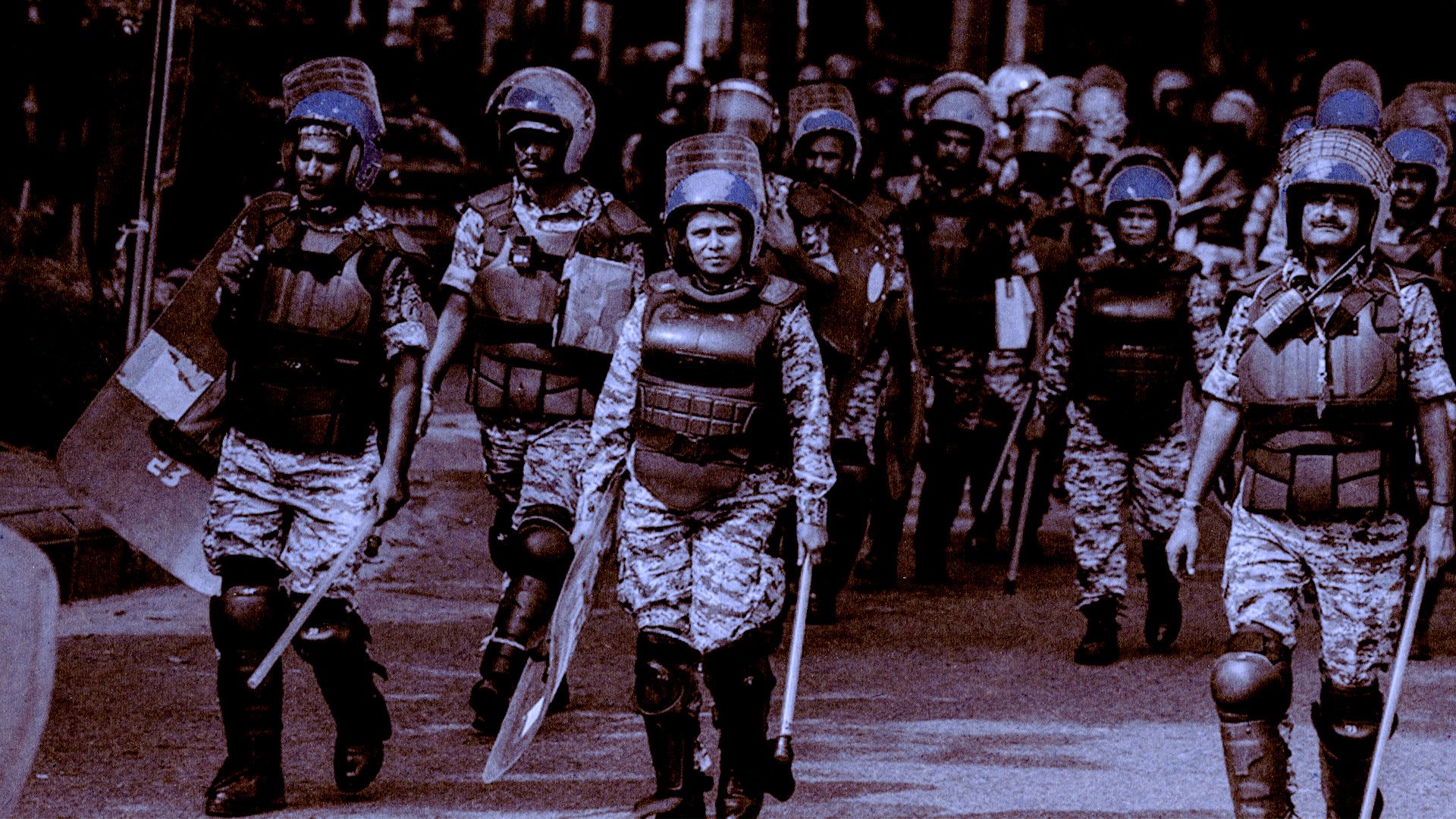
The authorities have responded with heavy-handed measures. Ahead of a planned demonstration on Saturday, October 10, 43,000 security personnel were deployed, while at least 7,000 people were detained that day and hundreds more on Sunday. The demonstration was ultimately cancelled.
On Tuesday, October 13, leading members of the “Cockroach Movement” were arrested after crossing police barricades to enter the grounds of a historic observatory commonly used for demonstrations.
Authorities had announced that the site would no longer be an officially approved location for protests and proposed three alternative sites.
What is the “Cockroach Movement,” and why is the government responding with such heavy-handed measures?
 (fyiteam)
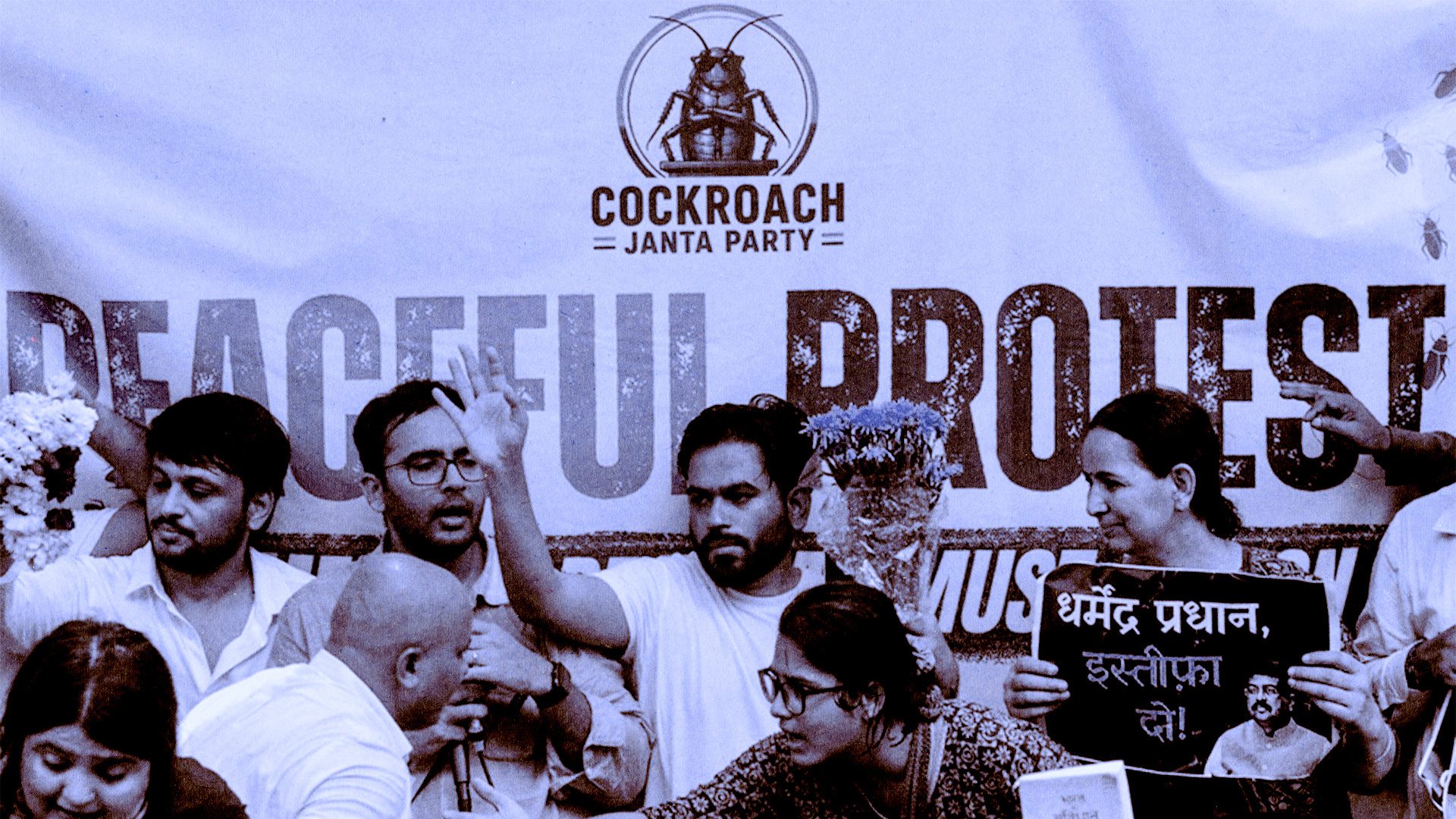
The “Cockroach Movement” takes its name from a derogatory remark by India’s Chief Justice, Surya Kant, who reportedly referred to unemployed young people as “cockroaches”.
The name “Cockroach Janta Party” (CJP) is also a satirical variation of the name of Prime Minister Narendra Modi’s ruling Bharatiya Janata Party (BJP – Indian People’s Party).
 (fyiteam)
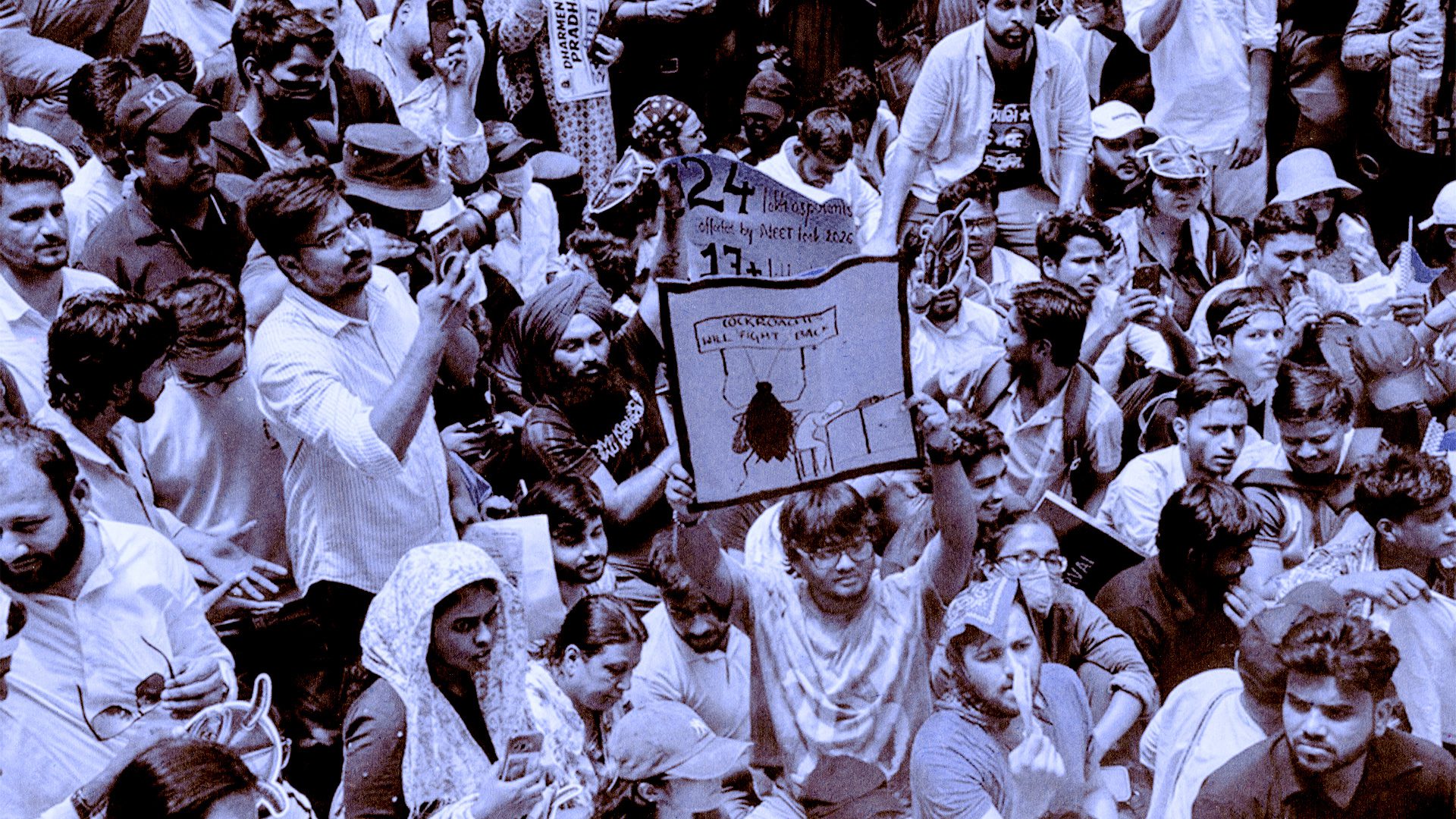
It is a movement rather than an officially registered political party, led primarily by young people. It emerged in May but soon grew beyond a youth movement.
Although it is not registered as a political party in India, it is calling for electoral reforms in the wake of yesterday’s (October 16) federal elections.
Its reach is considerable, with 25.25 million followers on Instagram, compared with 9.96 million for the ruling Bharatiya Janata Party (BJP).
 (fyiteam)
The movement began on social media before spreading to large-scale demonstrations, sparked by repeated leaks of questions from competitive examinations that left candidates facing delays of months or even years.
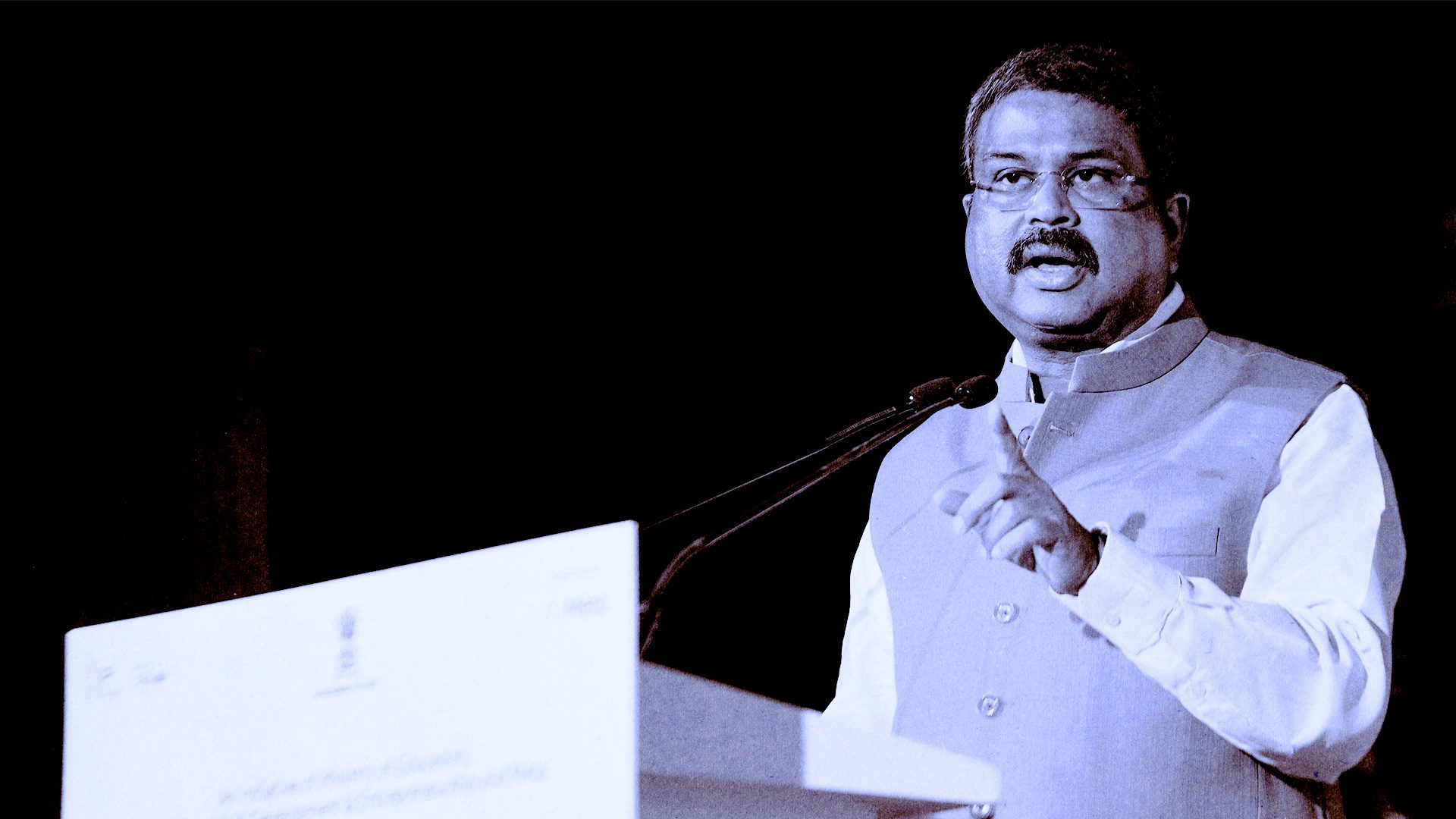
As the protests continued and grew, establishing the CJP as a movement with nationwide reach, they eventually led to the resignation of the then education minister, Dharmendra Pradhan.
 (fyiteam)
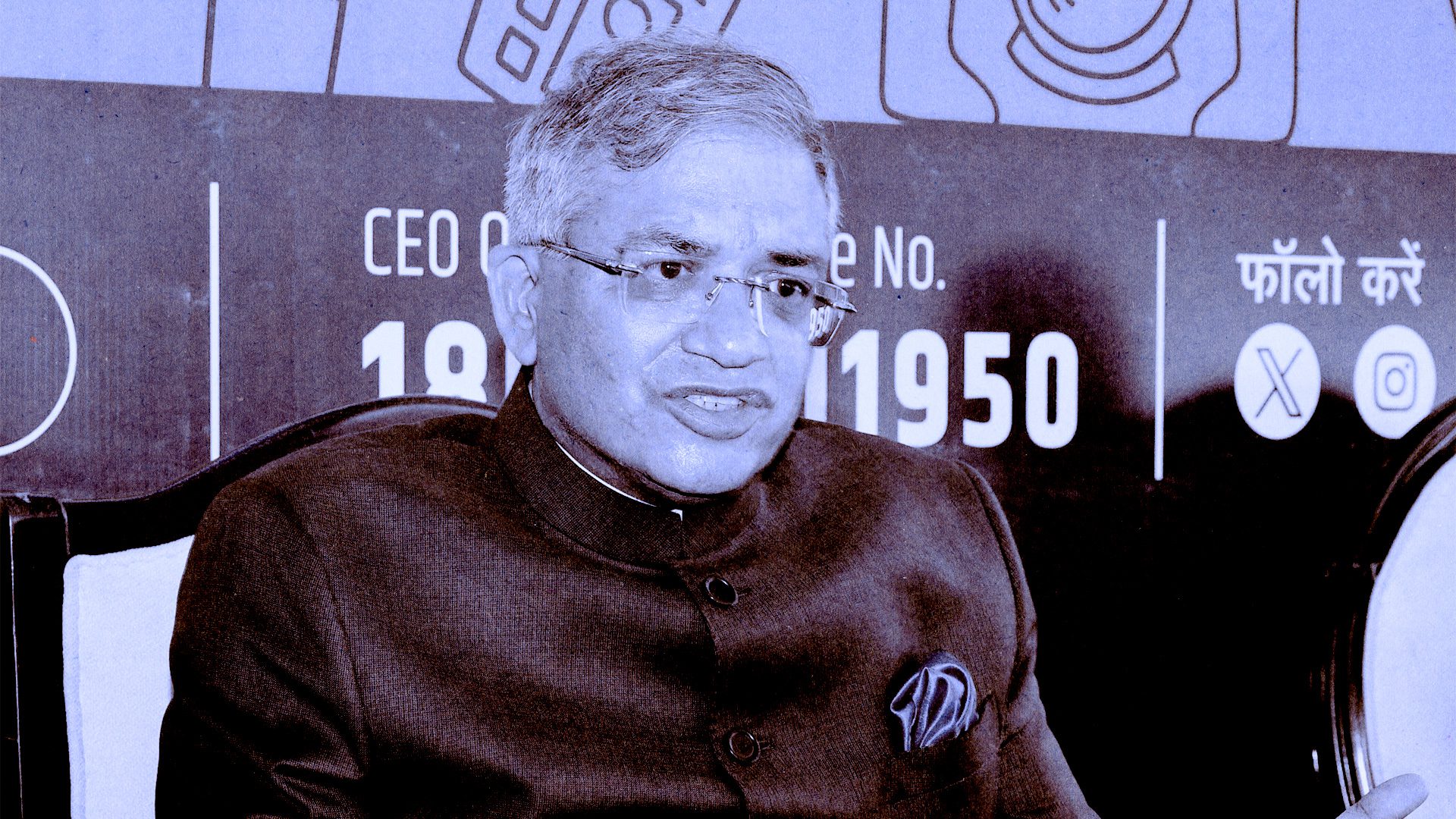
In recent weeks, CJP supporters have been calling for the resignation of Chief Election Commissioner Gyanesh Kumar over changes to electoral rolls that have resulted in voters being removed.
Protesters argue that the changes benefit Narendra Modi, while the Election Commission denies that any party has benefited and maintains that voters removed in error can re-register.
The CJP had also given Kumar until Saturday (October 10) to resign, but the ultimatum was ignored.
The Election Commission is tasked with correcting errors in India’s electoral rolls, such as the inclusion of people who have died or moved permanently abroad.
It also requires voters to prove that they meet the eligibility criteria for registration.
However, according to the Indian Express, which brought the issue to light, more than 130 million names have been removed from electoral rolls nationwide, with the removals going beyond the Commission’s stated objective.