What happened in France
Up to 800,000 people (according to organizers) took to the streets across France on Saturday to protest against austerity, the rising cost of living, the deterioration of public education, the housing crisis and widening social inequalities.
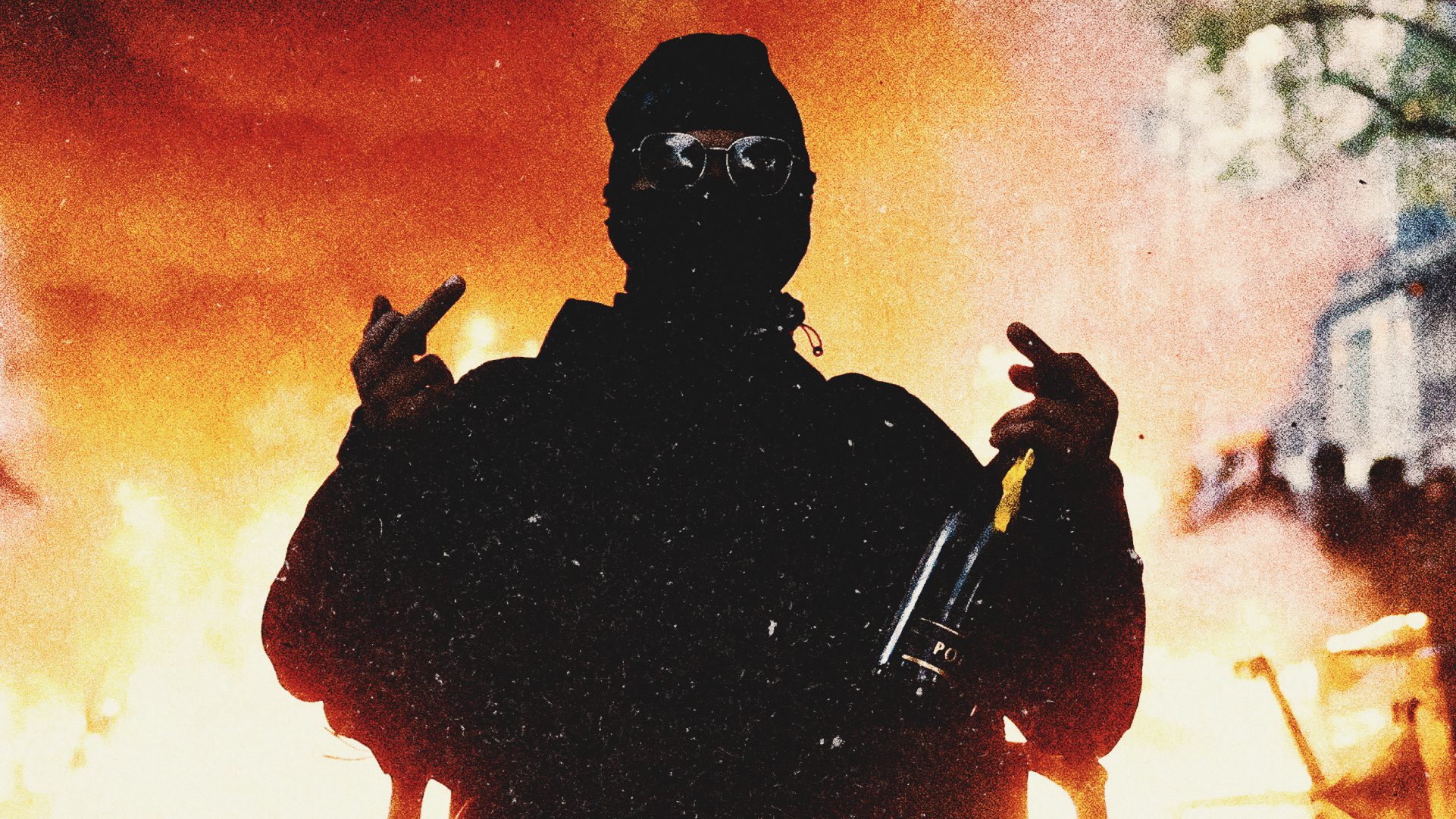
Public buildings were set on fire, hundreds of shops were damaged and looted, and at least 2,400 people were arrested across the country, including 1,800 on Saturday alone.
How it started
Since late September, one week after the start of the school year, high school students have been demonstrating, demanding that 10 of their demands be met.
Among other things, they are calling for the renovation of school buildings, the hiring of more teachers, increased student grants and greater transparency in the university admissions system.
Other protesters subsequently joined them, demonstrating against the high cost of living, driven by rising fuel prices.
The police response
The opposition has questioned the government’s handling of the protests, describing it as “inadequate”.
At least two teenagers suffered amputations over the weekend (and at least six in total) as a result of stun grenades used by police officers. One man suffered cardiac arrest and died, although further details surrounding his death have not yet been released.
Macron’s address and Le Pen’s response
Outgoing president Emmanuel Macron, whose unpopularity has reached record levels after 10 years in power, addressed the French public on Sunday, October 18, without announcing any specific measures.
He said he felt “anger” and “shame”, stressing that “those who sought to undermine the Republic will be held accountable”.
Meanwhile, far-right Marine Le Pen, who is leading in the polls, blamed Macron and accused “far-left groups” of being responsible for the violence.
What is happening elsewhere: Italy
Mass demonstrations, differing in nature but sharing common underlying grievances, also took place in Italy, Belgium, Portugal and Albania.
A demonstration in Milan on Saturday against the rising cost of living began peacefully but ended in clashes between protesters and police.
At least two police officers were injured and around 50 protesters, many of them minors, were arrested.
What is happening elsewhere: Portugal
In Lisbon, protesters set up a tent camp reminiscent of the one established in Madrid three weeks earlier.
Their main demands concern tackling the housing crisis and the rising cost of living, which is putting pressure on young people and vulnerable households.
Housing prices in Portugal rose by 124% between 2015 and 2024, roughly twice as fast as the EU average.
What is happening elsewhere: Belgium
On Saturday, groups of Belgian students demonstrated against rising education costs and reforms that they say will make higher education less accessible.
Students clashed with police, with Belgium’s interior minister stating that “this is no longer just a demonstration”.
In recent weeks, high school students in Belgium have also been protesting against rising education costs, inspired mainly by the demonstrations in France.
What is happening elsewhere: Albania
In Albania, anti-government demonstrations have been taking place since late May, sparked by a luxury seaside resort backed by Donald Trump’s son-in-law, Jared Kushner.
The resurgence of protests comes amid broader dissatisfaction with the government, with students demanding better study conditions, a lower cost of living and action against corruption and unemployment.
On Saturday alone, 167 people were arrested and 132 police officers were injured.
What is happening in Greece?
Mass demonstrations by university and high school students are planned in Athens and several other cities.
On Tuesday, October 20, university students will once again set up tents in Syntagma Square, alongside a large protest concert.
On Wednesday, October 21, at 12:00 noon, a mass demonstration is planned at the Propylaea in Athens, bringing together university students, school pupils, parents and teachers.
The protests focus primarily on the housing crisis, the rising cost of living and cuts to public education.
Sources


 What is fyi.news?