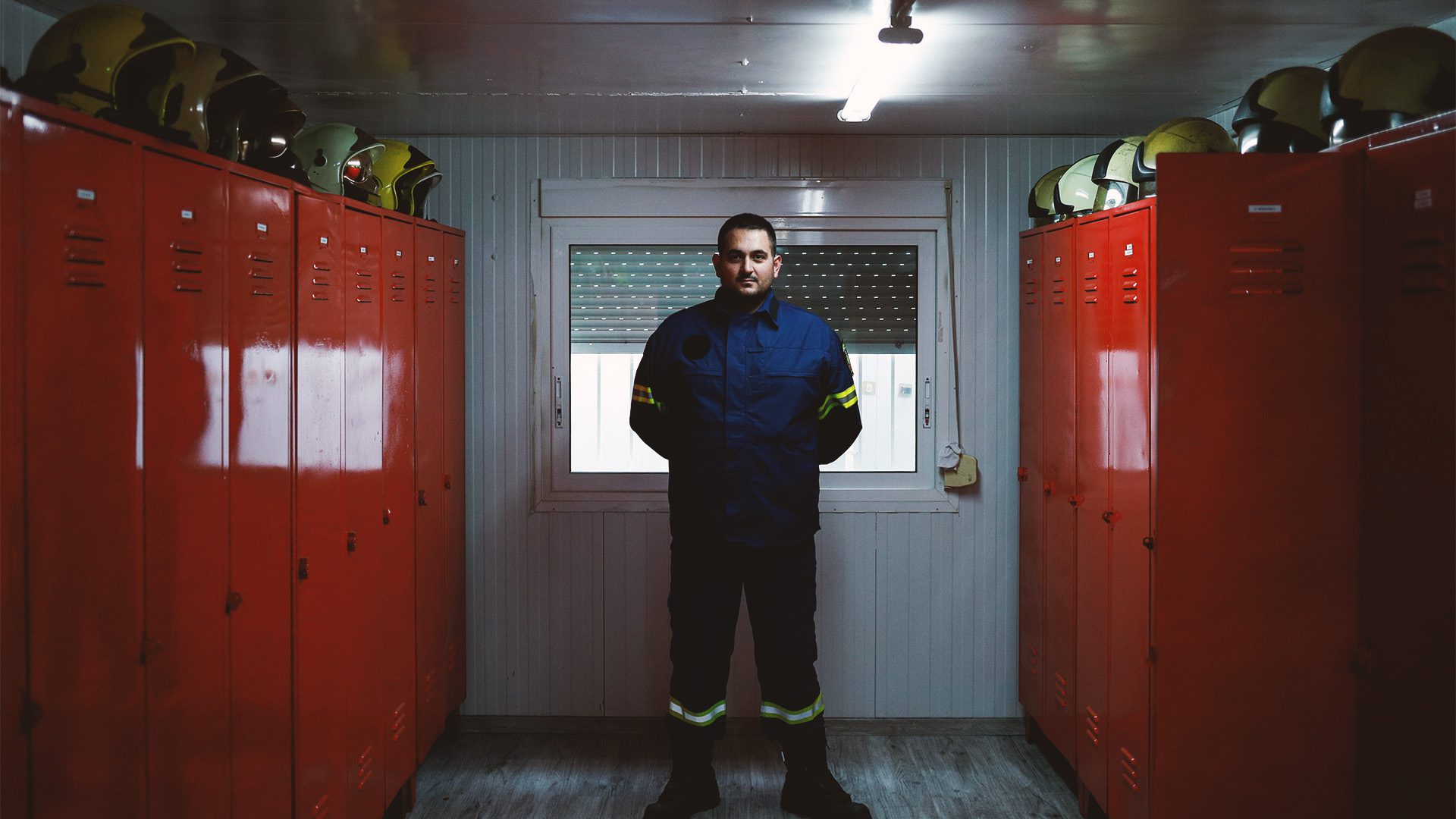
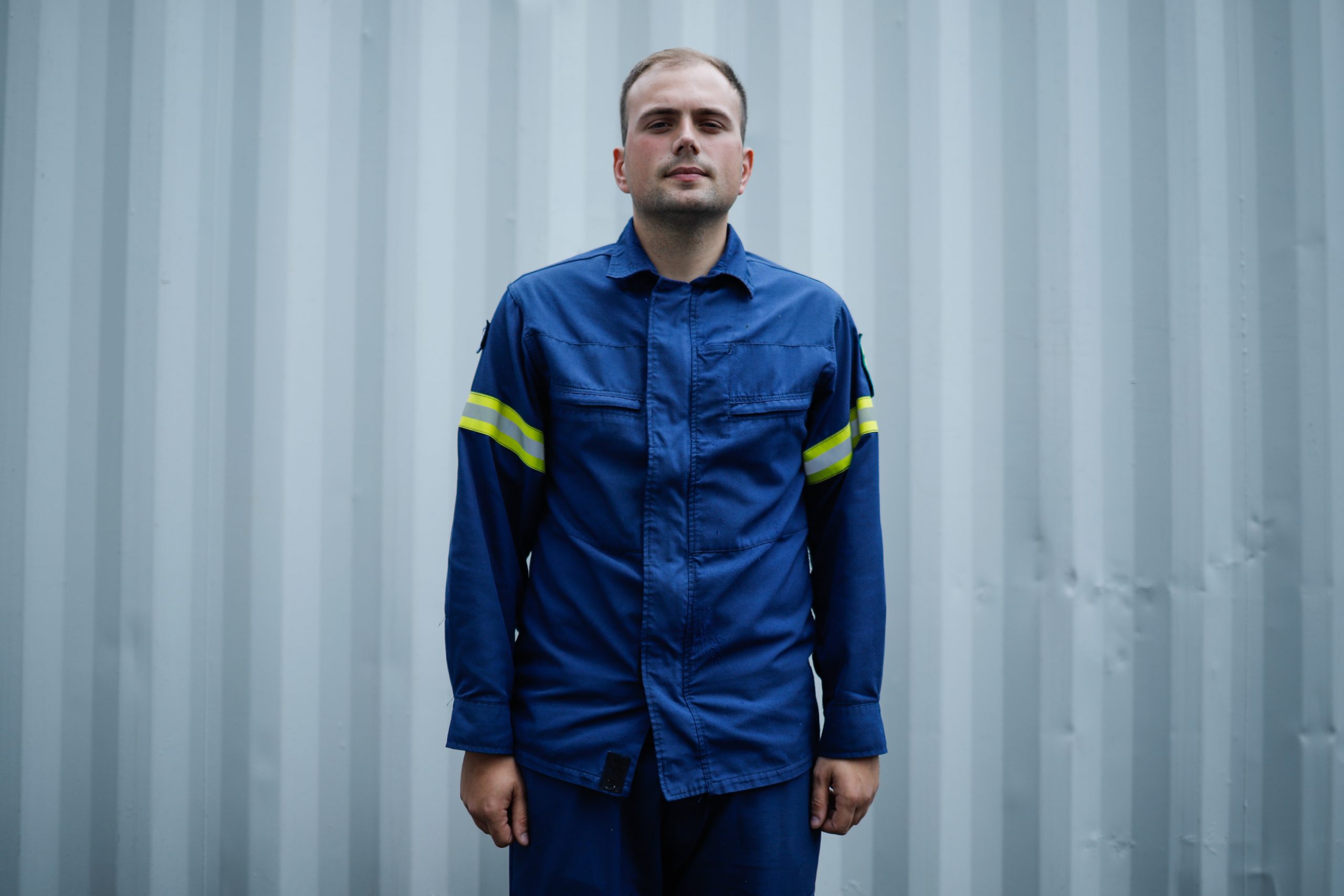
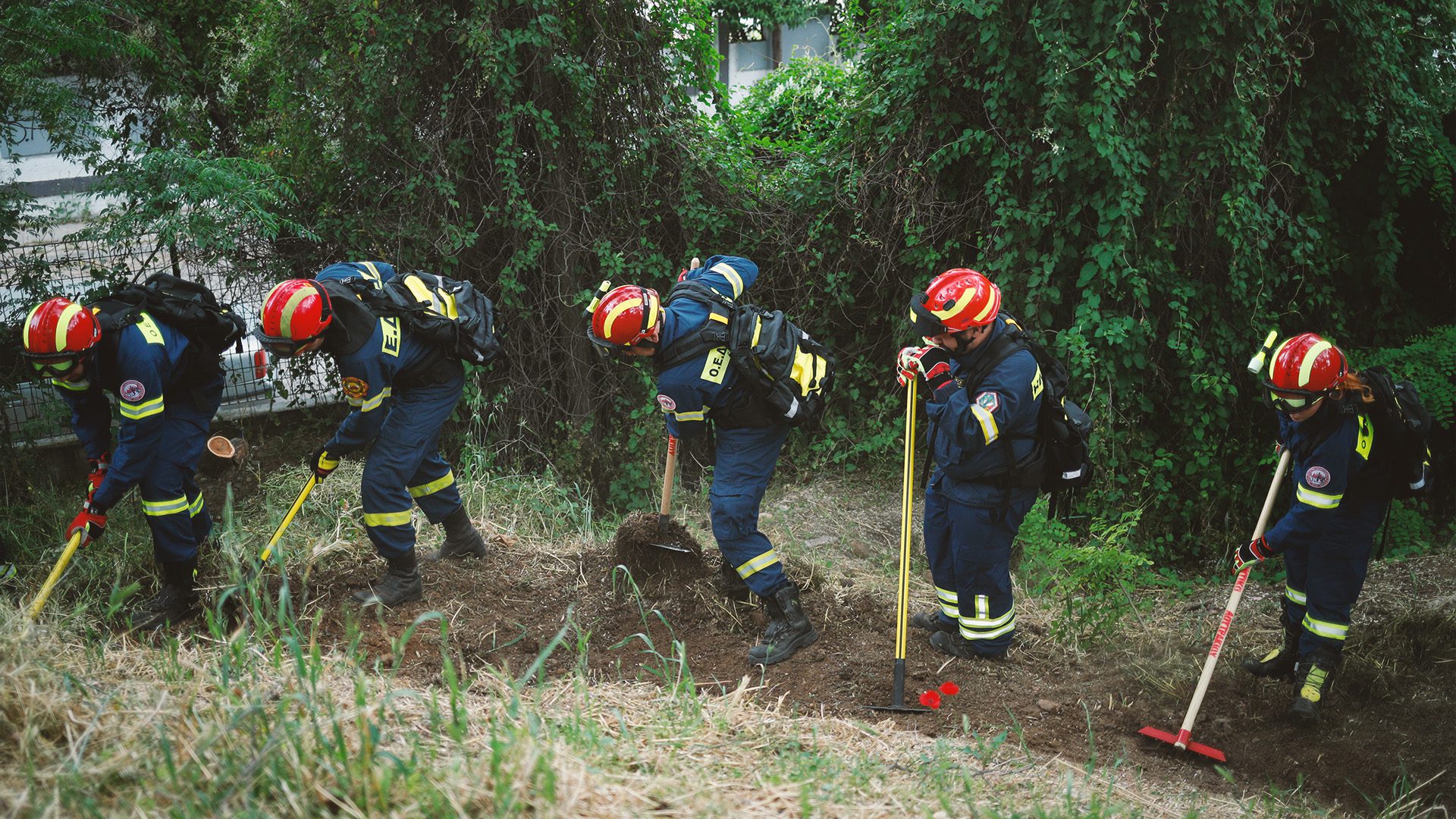
The situation is more challenging in the provinces, as the distribution of volunteer firefighters is not widespread.
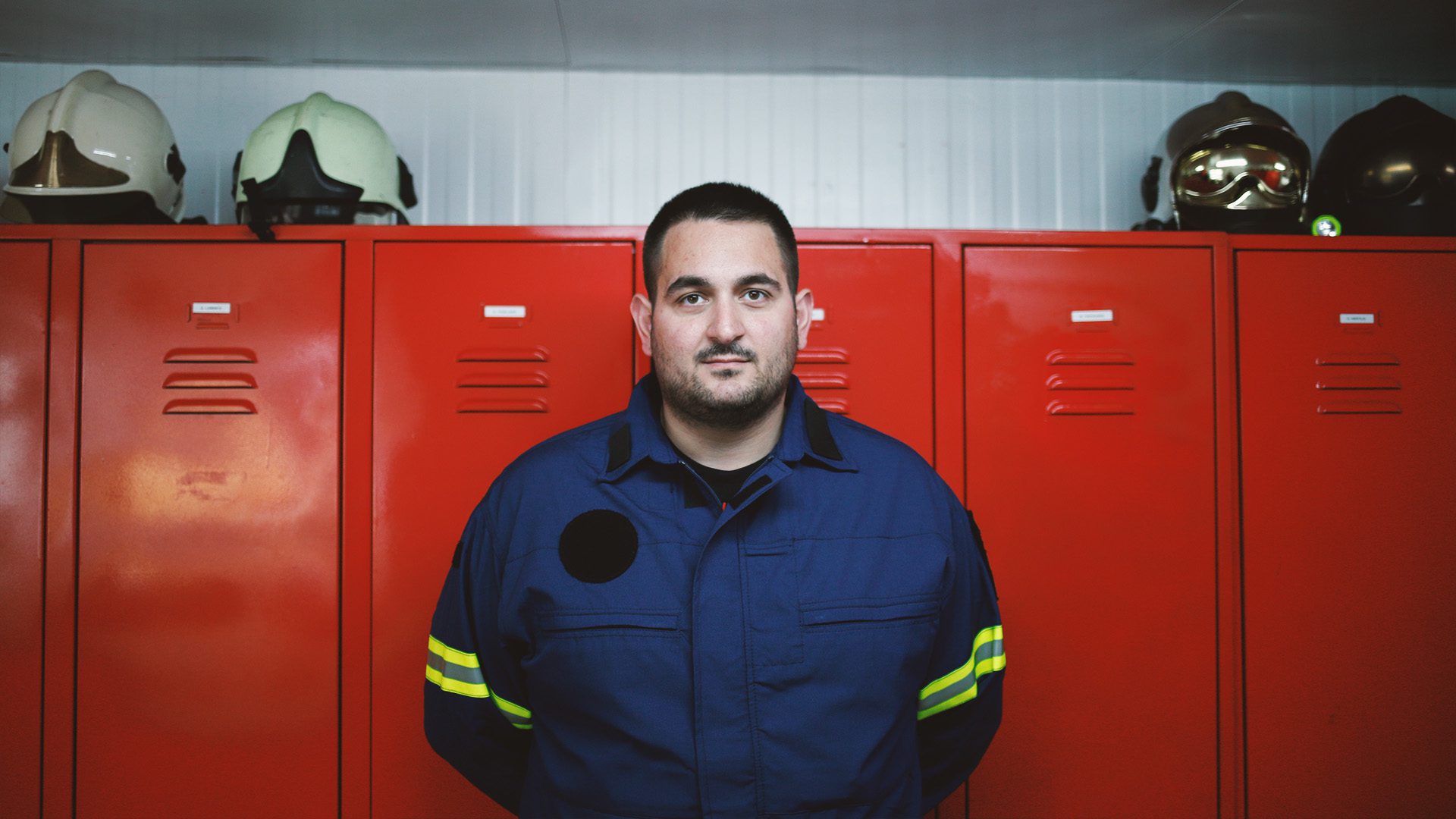
“Staffing in the provinces is unfortunately lower than in the capital due to the population,” confirms Nikolas Daphalias, a volunteer forest firefighter and General Secretary of the Volunteer Forest Firefighters and Rescue Team of Psachna in Evia.
The association has been based in Evia since 1995, and its area of operation is the municipality of Dirfys-Messapia.
“The municipality has 13 villages, and it takes us 3 hours to travel from one end to the other. There are remote villages with only 10 residents, isolated forests that have been uncultivated for many years, national parks, and so on,” explains Mr. Daphalias, commenting on the difficulties of forest firefighting in the provinces.
He says that prevention has been at a better level in recent years, and the strategy has improved. “In the past, we may not have had this level of prevention, but we had the knowledge of local citizens, forest workers, shepherds, and resin farmers, who knew the forest and fought alongside us against the fire.”
But what does it mean to be a volunteer forest firefighter?
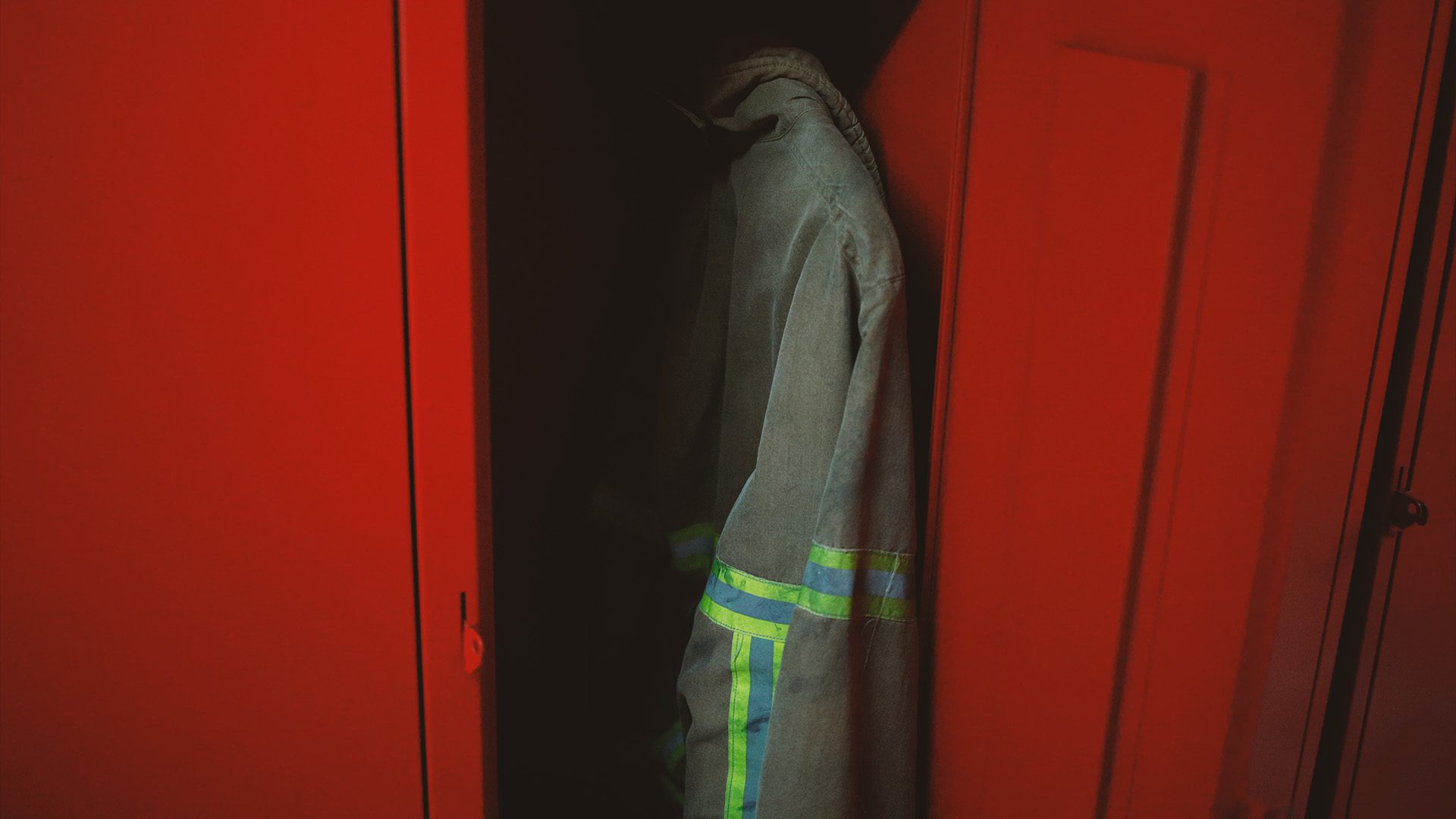
“For the average person, free time means reading, sports, etc. For us, it means being on duty, responding to an incident, helping citizens, and protecting Greece’s rich forest environment. It’s an idea, not just a role, that follows you throughout your life. You walk in the forest, and instead of thinking ‘how beautiful the nature is,’ you think, ‘how much fuel does this forest have?'”


 What is fyi.news?