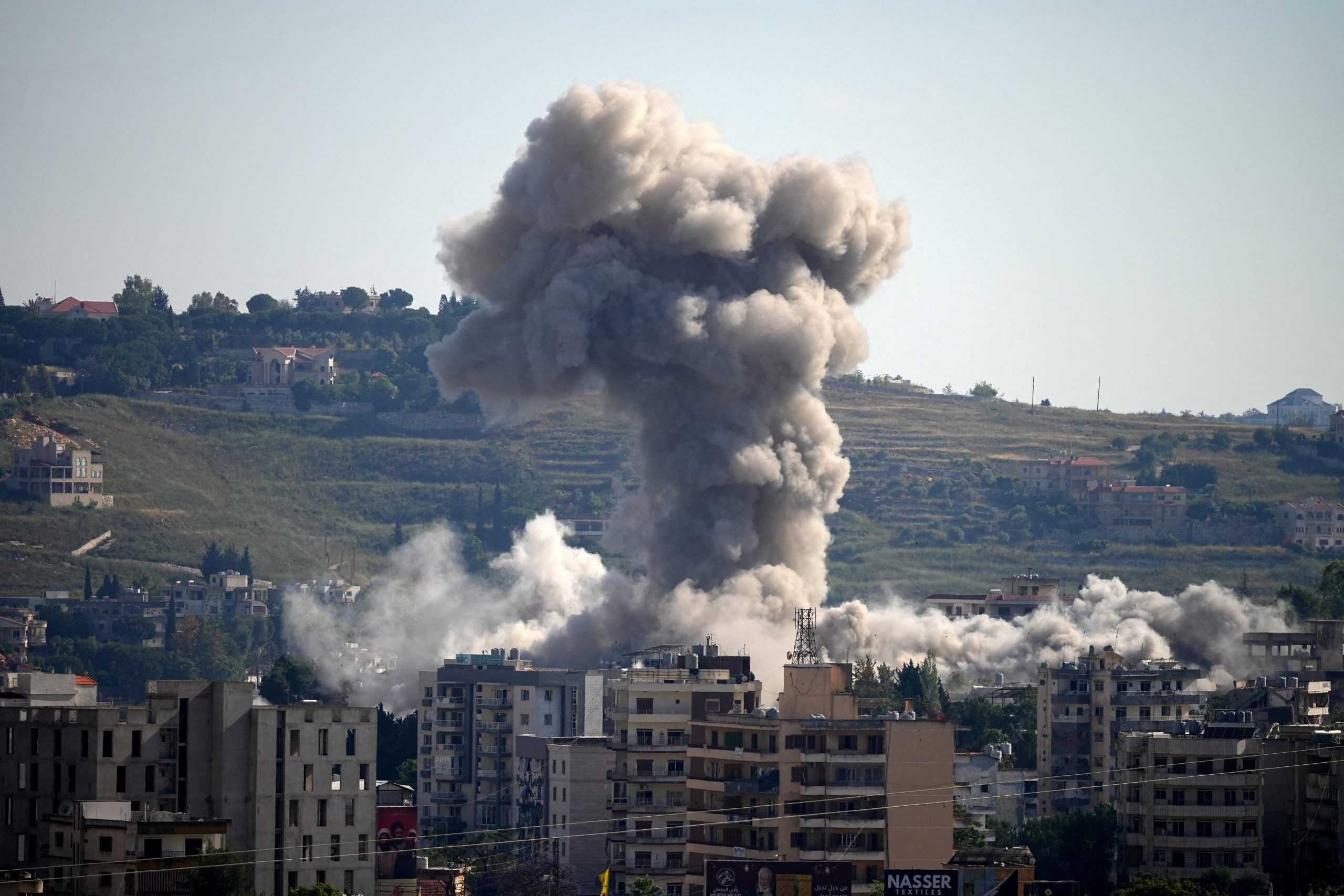
Fresh uncertainty has emerged over negotiations between the United States and Iran, as the escalation of Israeli military operations in Lebanon threatens to derail diplomatic efforts between Washington and Tehran.
U.S. President Donald Trump announced that, following talks with Israeli Prime Minister Benjamin Netanyahu and indirect contacts with Hezbollah through mediators, the two sides had agreed to a mutual ceasefire. According to Trump, the arrangement prevented a planned Israeli strike on Beirut’s southern suburbs and helped preserve ongoing negotiations between the United States and Iran.
However, developments on the ground painted a different picture. Within hours of Trump’s announcement, new attacks were reported, while Hezbollah publicly rejected the proposed partial truce. At the same time, Netanyahu stated that Israeli military operations in southern Lebanon would continue “as planned” and reiterated that Israel reserved the right to strike Beirut if attacks against Israel persisted.
Israel is currently carrying out its deepest ground incursion into Lebanese territory since 2000, when its occupation of southern Lebanon came to an end.
Trump’s intervention followed a warning from Tehran that negotiations with Washington could not continue while Israel intensified its offensive in Lebanon. Since the outbreak of hostilities in March, more than 3,300 people have reportedly been killed in Lebanon, while over one million have been displaced.
Meanwhile, Israeli forces have advanced deeper into Lebanon than at any point since 2000, capturing the strategically significant Beaufort Castle in southern Lebanon, approximately 15 kilometers north of the Israel–Lebanon border.
Sources: Guardian, Associated Press


 What is fyi.news?