What is fyi.news?
- The Elections
- Which Party Is the Main Challenger?
- Israel’s Electoral System
- Who Is Netanyahu’s Main Rival?
- The Campaign Agenda
- Can Palestinians Vote?
- Sources



 (REUTERS/Ronen Zvulun/fyiteam)
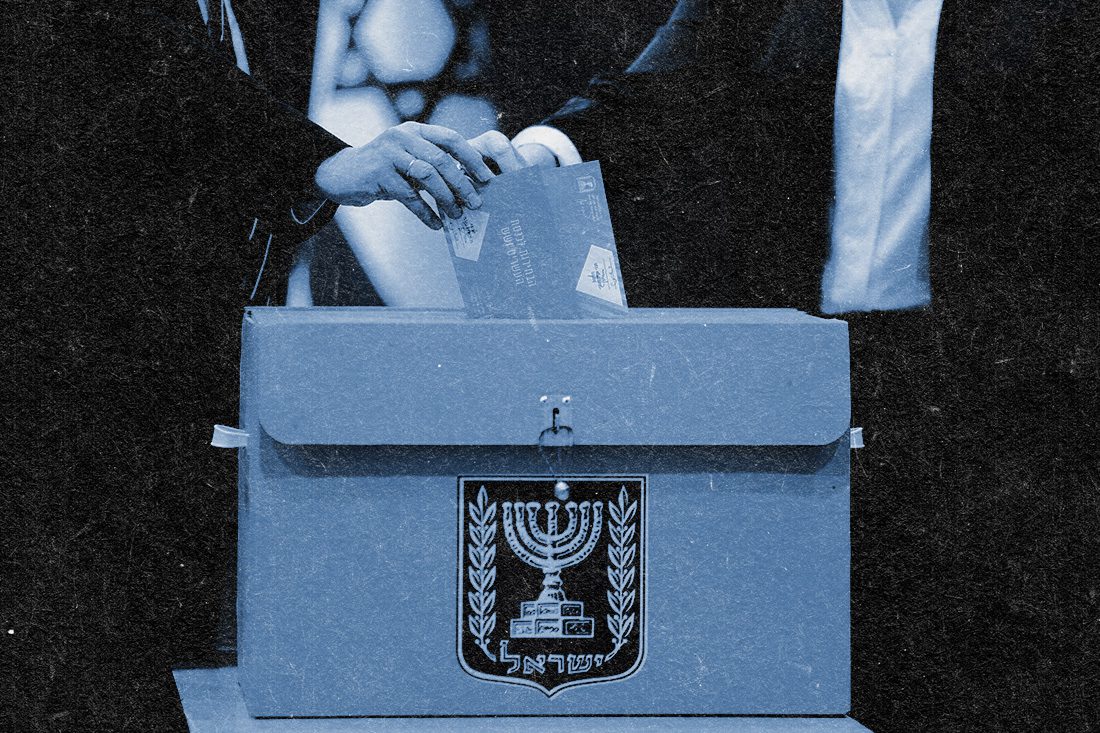
On October 27, approximately 7.3 million Israelis will head to the polls to elect a new parliament (Knesset).
These will be the first elections since October 7, 2023, the subsequent genocide in Gaza, and the wars and conflicts across the Middle East, from Iran and Lebanon to Syria and Yemen.
Benjamin Netanyahu, Israel’s longest-serving prime minister (19 years in power), is seeking another term while facing criminal charges of corruption.
His party, Likud, and the far-right coalition he leads are in a neck-and-neck race with the newly formed opposition party Yashar, with neither side appearing likely to secure an outright parliamentary majority.
 (REUTERS/Ronen Zvulun/fyiteam)
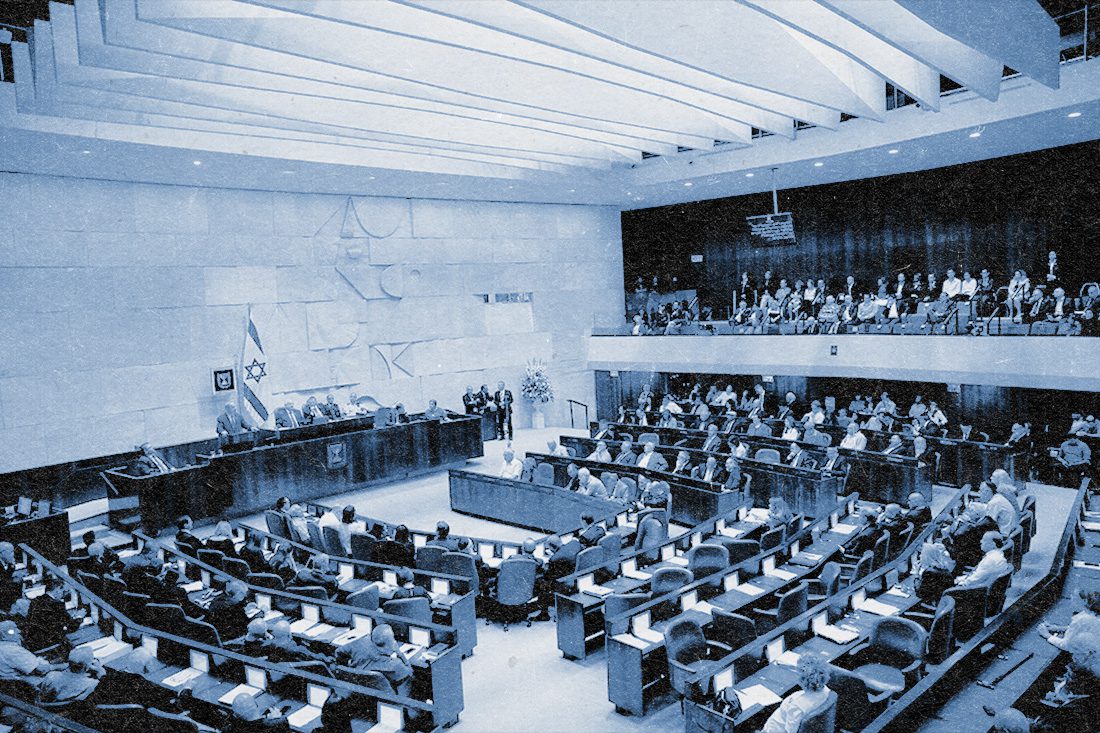
Israel’s parliament has 120 seats, with 61 required for an outright majority under the country’s proportional representation system.
When no party secures a majority—all governments in Israel’s history have been coalition governments—parties have 28 days, with a possible 14-day extension, to form a coalition. If these efforts fail, new elections may be called.
FYI: The electoral threshold for entering parliament is 3.25%.
 (REUTERS/Ronen Zvulun/ fyiteam)
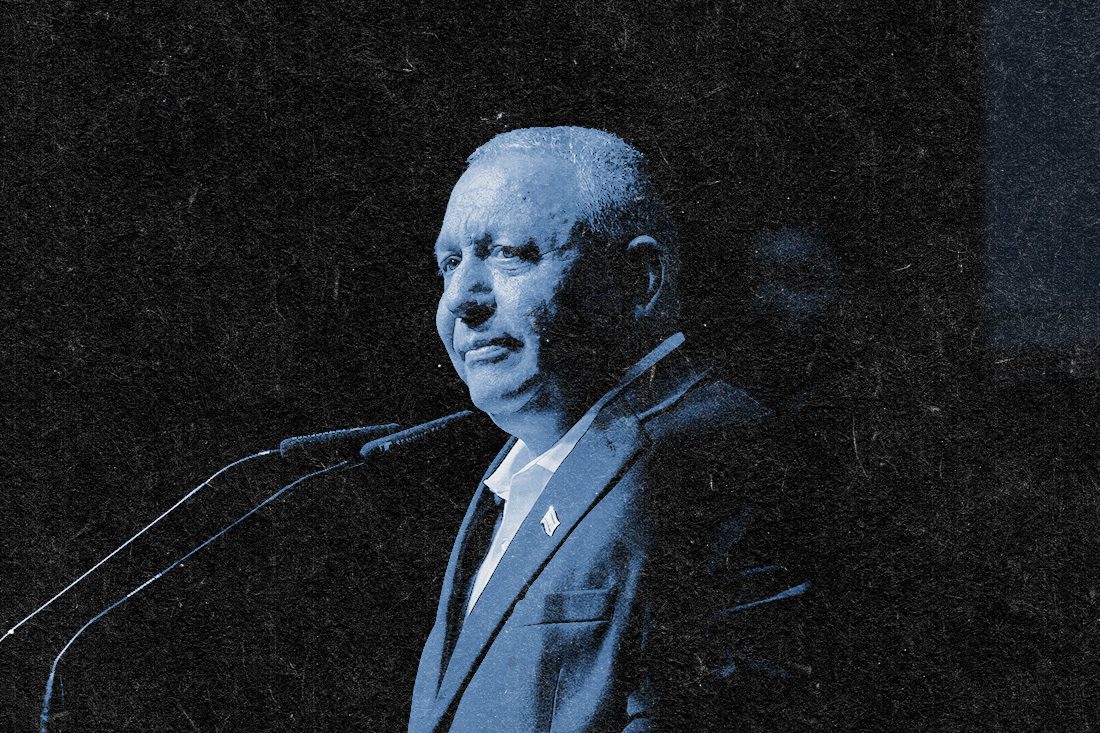
Benjamin Netanyahu’s main rival is Gadi Eisenkot, a former chief of staff of the Israel Defense Forces (IDF).
His popularity stems from his military background and his relatively recent entry into politics, having founded his party only last year.
He lost his son, an IDF soldier, in Gaza and served in Netanyahu’s war cabinet until resigning in 2024 over disagreements.
He is calling for accountability for the failures that led to the events of October 7.
The main issues on the election campaign agenda are:
Palestinian citizens of Israel account for approximately 20% of the country’s population and have the right to vote.
Palestinians in the West Bank, Gaza Strip and East Jerusalem do not have the right to vote in Israeli parliamentary elections.
 (Reuters Connect/ fyiteam)