(fyiteam)

How does climate change affect African dust?

Add your Headline Text Here
@fyinews team

08/05/2026

Copy link
fyi:
  • What is African dust?
  • Which countries are affected?
  • In Greece
  • Will the future be hazy because of dust?
  • It depends on the wind
  • Is there a proven connection to climate change?
  • The effects on health
  • How will we deal with the phenomenon?
  • Also in the EU
  • Sources

What is African dust?

(fyiteam)

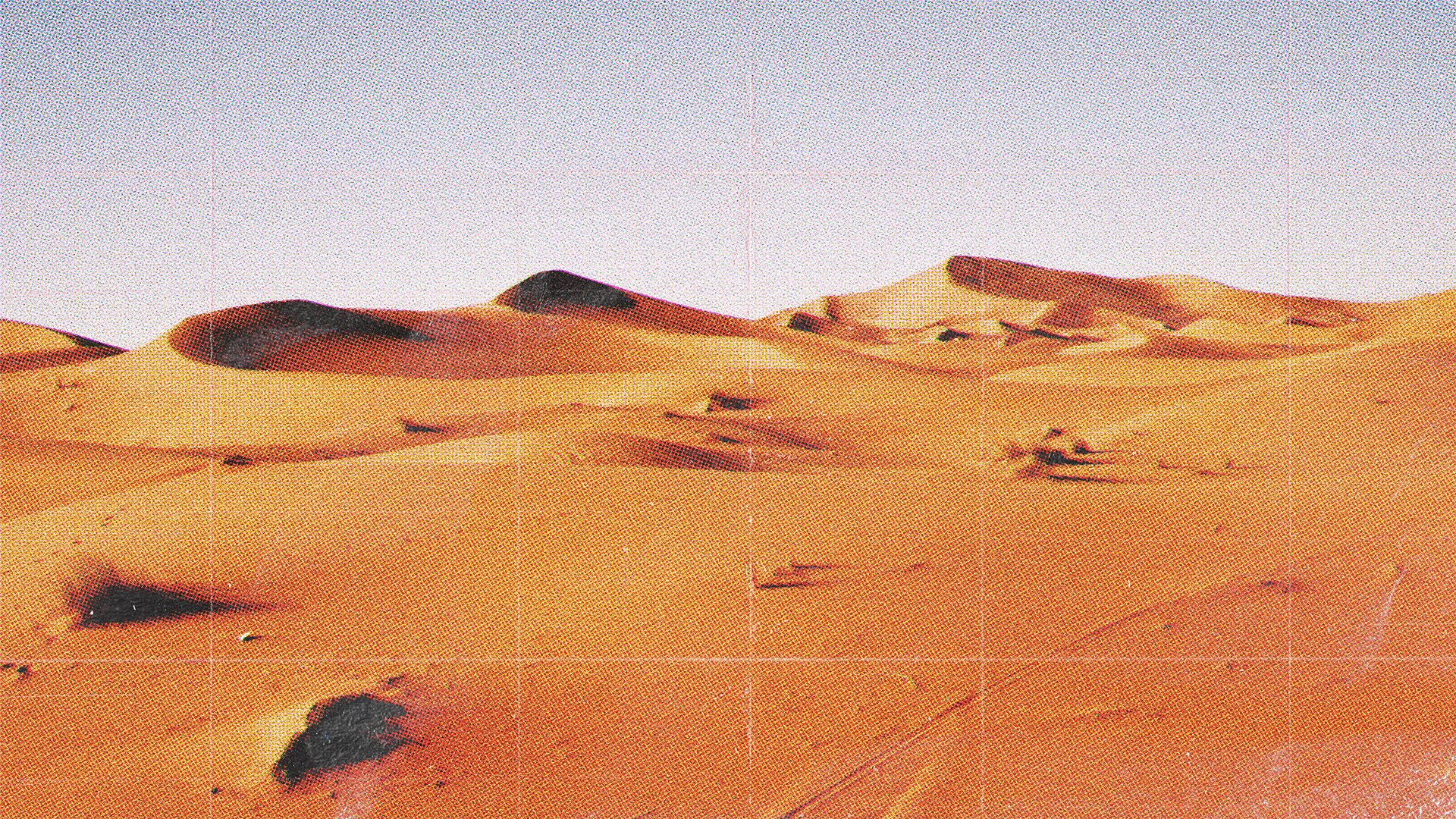
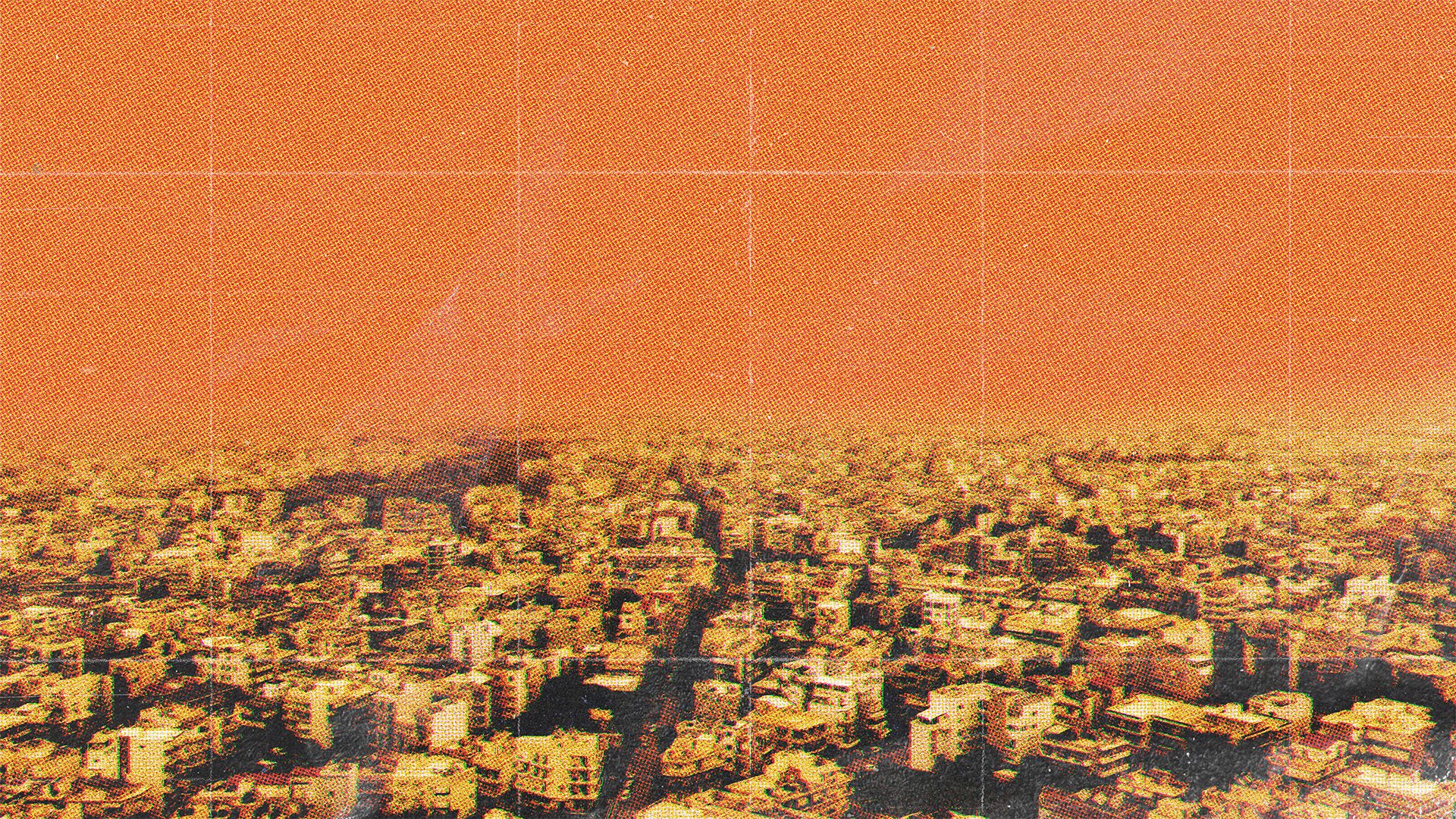
It consists of very fine particles of sand, soil, and minerals that are lifted mainly from the Sahara Desert* and other dry regions of Africa due to strong winds.

Once the dust rises from the ground, dust clouds can reach very high altitudes and travel thousands of kilometers.

*More than 50% of African dust comes from the Sahara Desert.

Which countries are affected?

(fyiteam)
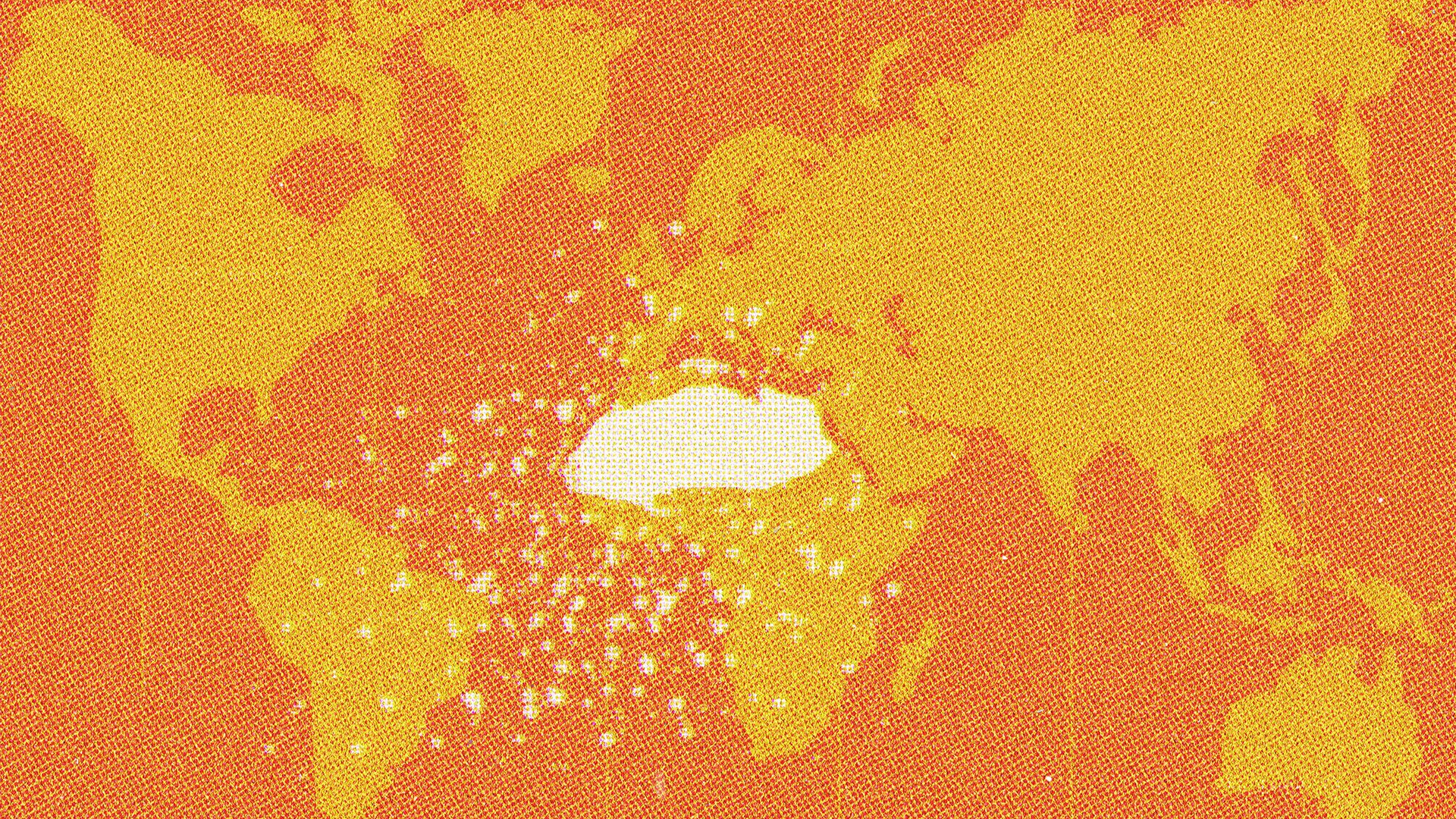
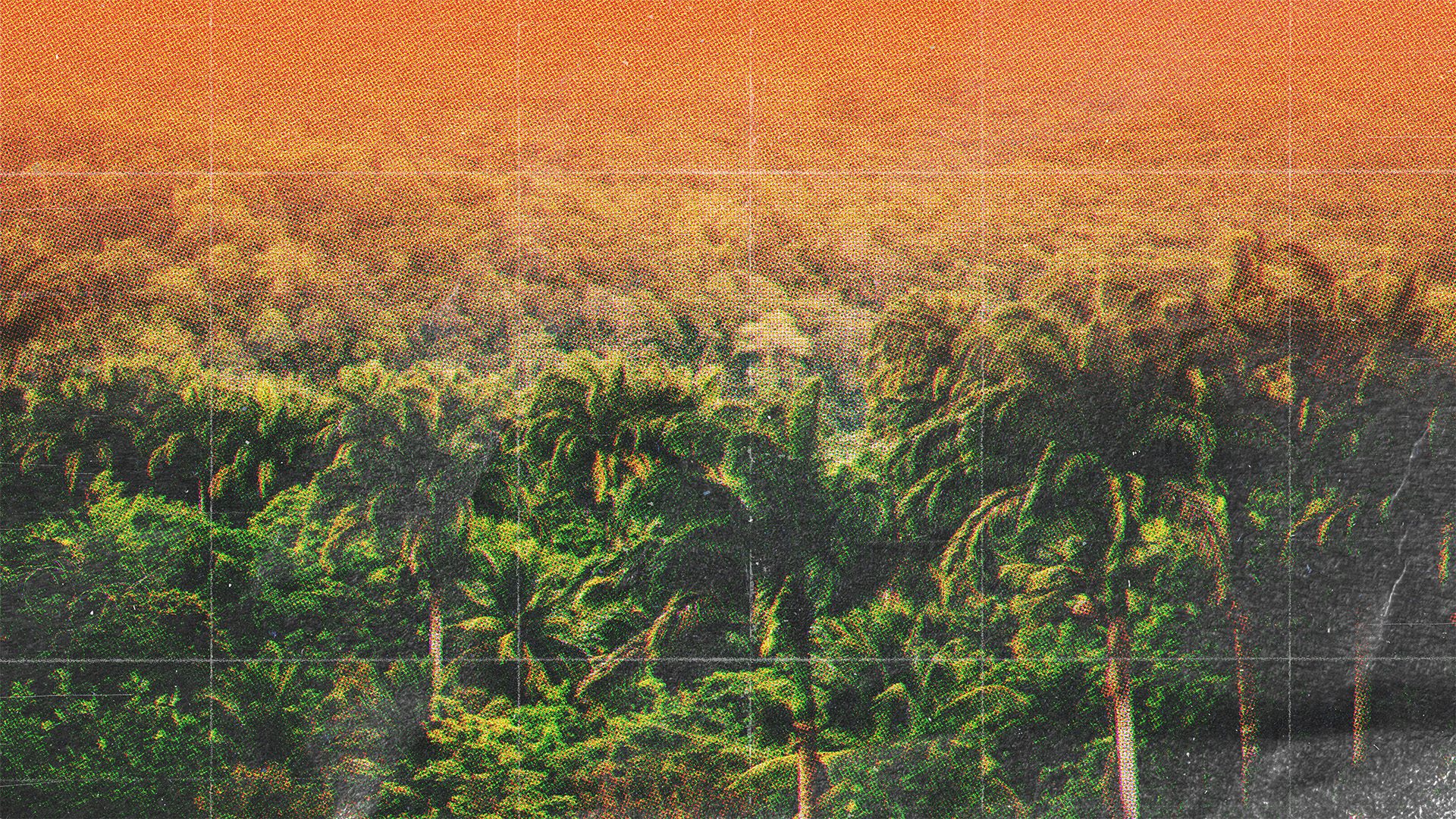
The dust can travel as far as the North Sea, the Scandinavian Peninsula, and even the Amazon rainforest.

However, the countries most frequently affected are Spain, where the phenomenon is known as “Calima,” other Mediterranean countries (such as Greece, Cyprus, and France), as well as the United Kingdom.

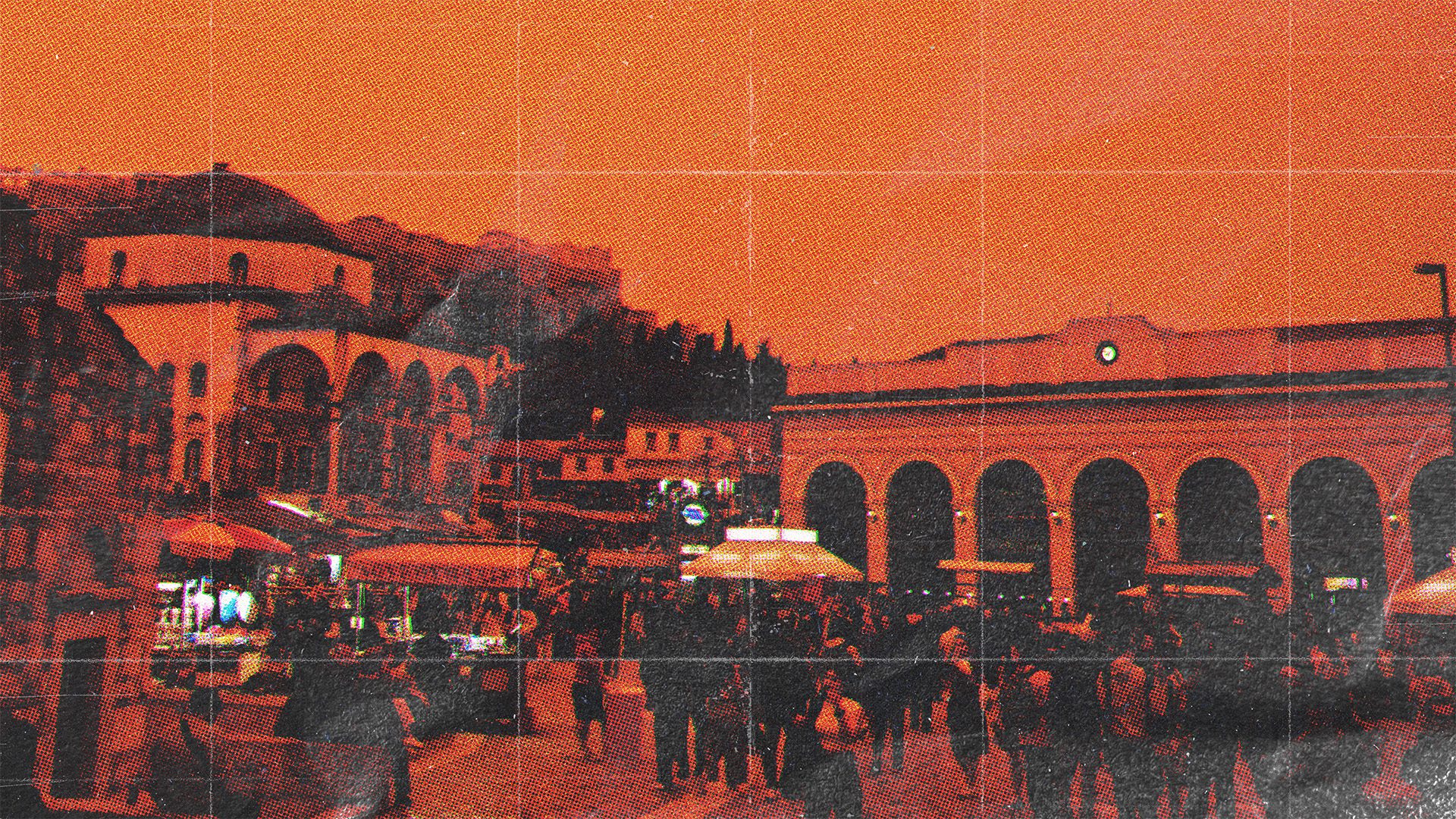
Ιn Greece

(fyiteam)

Since the beginning of 2026 until today, a total of more than six medium- and high-intensity African dust episodes have been recorded, according to “K”.

The number is higher compared to the first half of 2025, during which two episodes were recorded.

However, the phenomenon is not new: some of the most intense events were recorded in 1902, 1931, and 1951.

Will the future be hazy because of dust?

The relationship between climate change and dust is complex.

Global warming contributes to rising temperatures, drying out soils and accelerating desertification across the planet.

If the planet continues to warm at a rapid pace, the amount of dust from the Sahara that rises into the atmosphere could increase by 40%–60% by the end of the century, according to studies.

It depends on the wind

However, the intensity and frequency of these events will also depend on wind patterns.
Some sandstorms in the Sahara have become rarer and less intense over the past two decades.
This is linked to:

  • the increase in vegetation in the Sahel region, south of the Sahara
  • the general weakening of surface winds due to climate change
  • changes in certain large-scale climate patterns

Is there a definite link to climate change?

(fyiteam)

Scientists at the National Observatory remain cautious about directly linking the phenomenon to climate change.

To establish a connection between a phenomenon and climate change, around three decades of observation and data collection are needed.

The effects on health

(fyiteam)

Dust from the Sahara significantly worsens air quality, increasing levels of invisible airborne particles to dangerous levels.

These particles, known as PM10, can enter the lungs, triggering asthma attacks and cardiovascular problems.

In Spain and Italy, some studies estimate that African dust may be linked to up to 44% of deaths associated with PM10 pollution.

How will we deal with the phenomenon?

(fyiteam)

Because the phenomenon is transboundary, addressing it requires action both in the regions where it originates and in the areas affected by it.

In the Sahara and its surrounding regions, it is important to protect lands that remain untouched by human activity.

Overgrazing, the construction of dams on rivers, and land abandonment in the region increase dust emissions.

But also in the EU

In Europe, governments must invest in preparedness.

Early warning systems now provide forecasts up to 15 days in advance, allowing authorities to issue alerts so that vulnerable groups (people with respiratory and cardiovascular conditions, those aged 65+, and others) can remain indoors.

Other measures that could improve the situation include installing better building ventilation systems and creating more urban green spaces.

Is dust only “bad”?

(fyiteam)

No.

Dust from the Sahara, which travels as far as the Amazon, is rich in phosphorus and other nutrients that act as a “natural fertilizer.”

In addition, because of its iron content, when clouds of African dust pass over the Atlantic Ocean, they help phytoplankton grow, supporting marine ecosystems.

Sources

News


AD(1024x768)