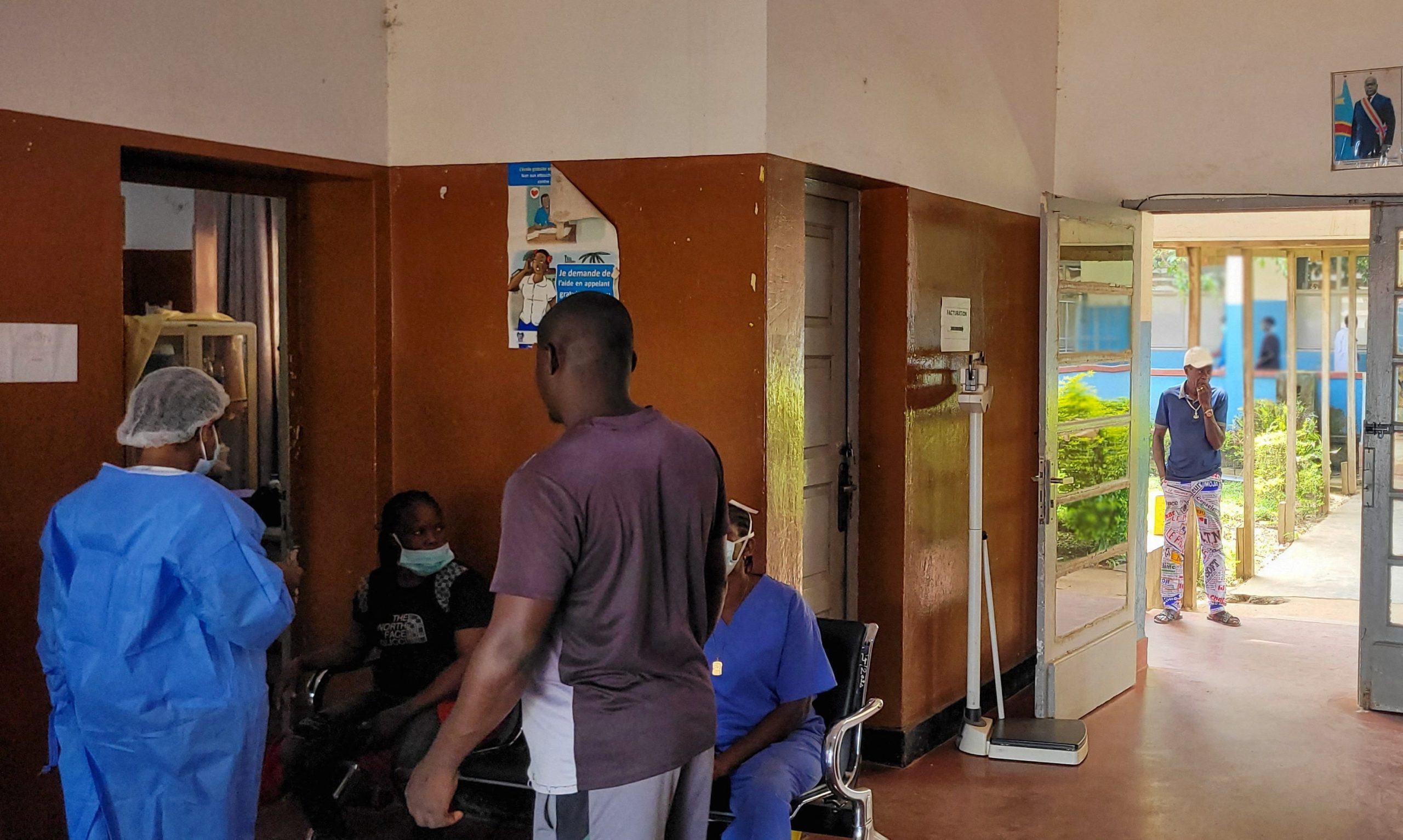
The Ebola virus is resurging, with 80 deaths and 346 suspected cases linked to the virus recorded in Uganda and Congo, according to the World Health Organization (WHO).
In fact, the WHO yesterday (17/05) declared the Ebola outbreak a Public Health Emergency of International Concern. The outbreak has been caused by the Bundibugyo strain, the rarest of the three strains known to cause Ebola, for which there are currently no approved vaccines, treatments, or diagnostic tests.
Ebola is an extremely contagious disease transmitted through bodily fluids such as blood and vomit. It carries a high fatality rate, particularly in low-resource regions that are unable to provide the kind of intensive medical care typically available in wealthier countries.
The deadliest Ebola outbreak in history was the West Africa epidemic (2013–2016), which resulted in more than 11,300 deaths.
The Africa Centres for Disease Control and Prevention (Africa CDC) publicly announced the outbreak on Friday, though officials said it remains unclear when it actually began. The organization is convening experts and is expected to declare a continent-wide public health emergency in the coming days.
The WHO stresses that the outbreak is likely more widespread than current figures suggest and warns that the risk of transmission is high because of dense urban populations and the ongoing civil war in Congo.
Sources: Guardian, BBC


 What is fyi.news?