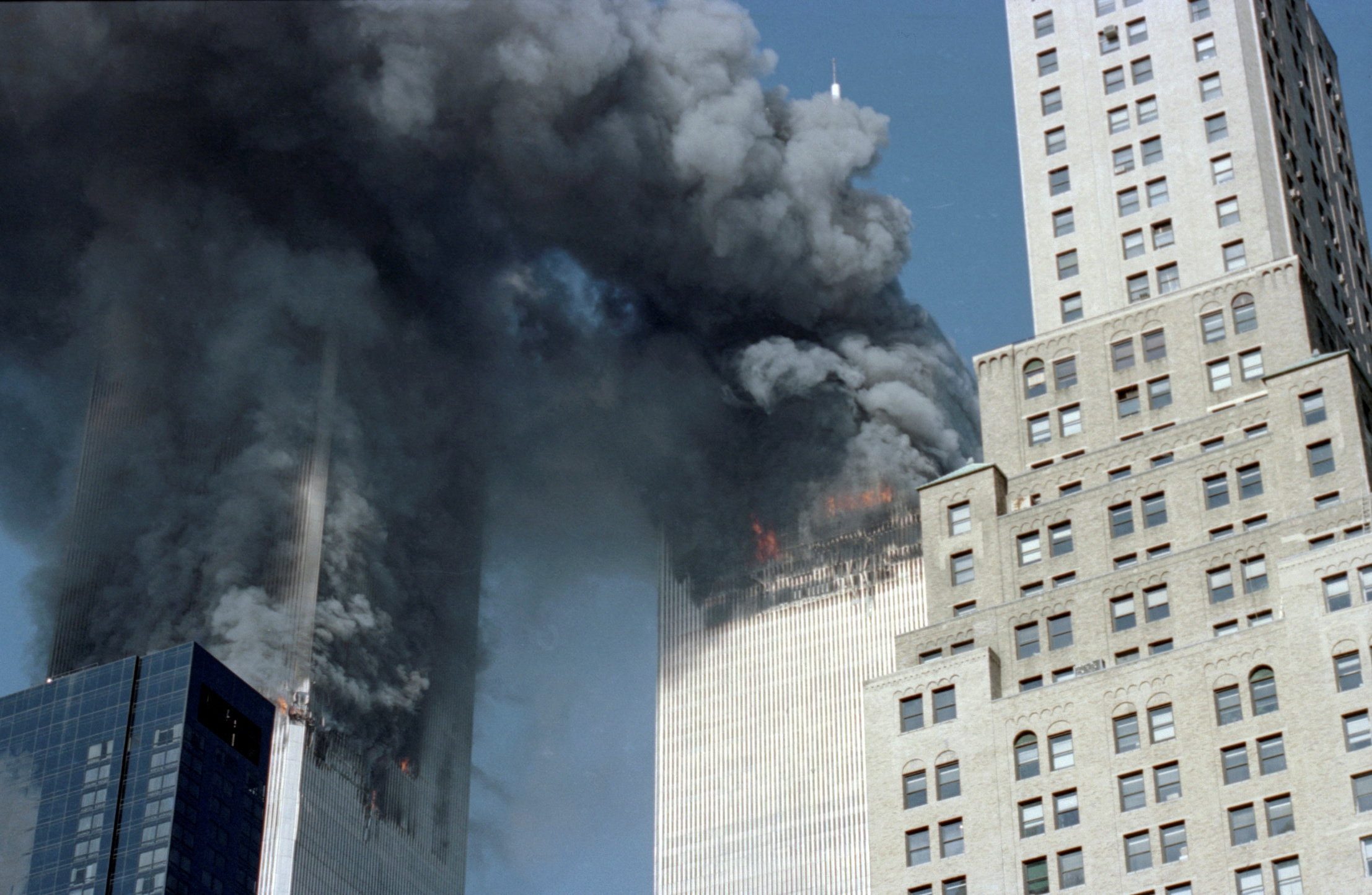
Twenty-five years after the September 11 attacks, cancer has become one of the main long-term health concerns for people exposed to the dust and debris from the collapse of the Twin Towers.
According to data from the World Trade Center Health Program, the number of survivors receiving medical support for cancer rose from 8,870 in June 2021 to 27,300 in 2026, an increase of around 208% over five years. Of the roughly 54,000 survivors currently enrolled in the programme, nearly half are now receiving support for some form of cancer, compared with 35% five years ago.
The increase is being closely monitored because of the exposure that followed the attacks. The dust and fumes that covered Lower Manhattan contained asbestos, benzene and other known carcinogens. Exposure was not limited to the first hours after the attacks, as fires continued to burn for months and contaminated dust remained in homes and workplaces.
Doctors warn that cases may not yet have peaked, as some cancers can take up to 40 years to develop.
The data alone do not prove that every cancer diagnosis was caused by the September 11 attacks. Researchers note, among other limitations, that enrolment in the programme is voluntary, making it difficult to draw firm conclusions about cancer rates among all those exposed. However, the trend is considered significant, as a range of cancers, including breast and skin cancer, are being recorded, rather than only cancers directly associated with smoke inhalation.
Doctors warn that cases may not yet have peaked. Some cancers can take 20, 30 or even 40 years to develop, making long-term monitoring and screening particularly important for those exposed to toxic substances following the attacks.
Source: The Washington Post


 What is fyi.news?