(fyiteam)

Can there be a World Cup without a Panini album?

Add your Headline Text Here
@fyinews team

05/06/2026

Copy link
fyi:
  1. For many major sporting events, both men’s and women’s, Panini releases collectible albums that are sold at newsstands, while sticker packs are sold separately. Of course, you never know what each pack will contain.
  2. In Greece, a pack containing seven stickers costs €1.30. A box of 50 packs—350 stickers in total—costs €65. A box of 100 packs costs €130.
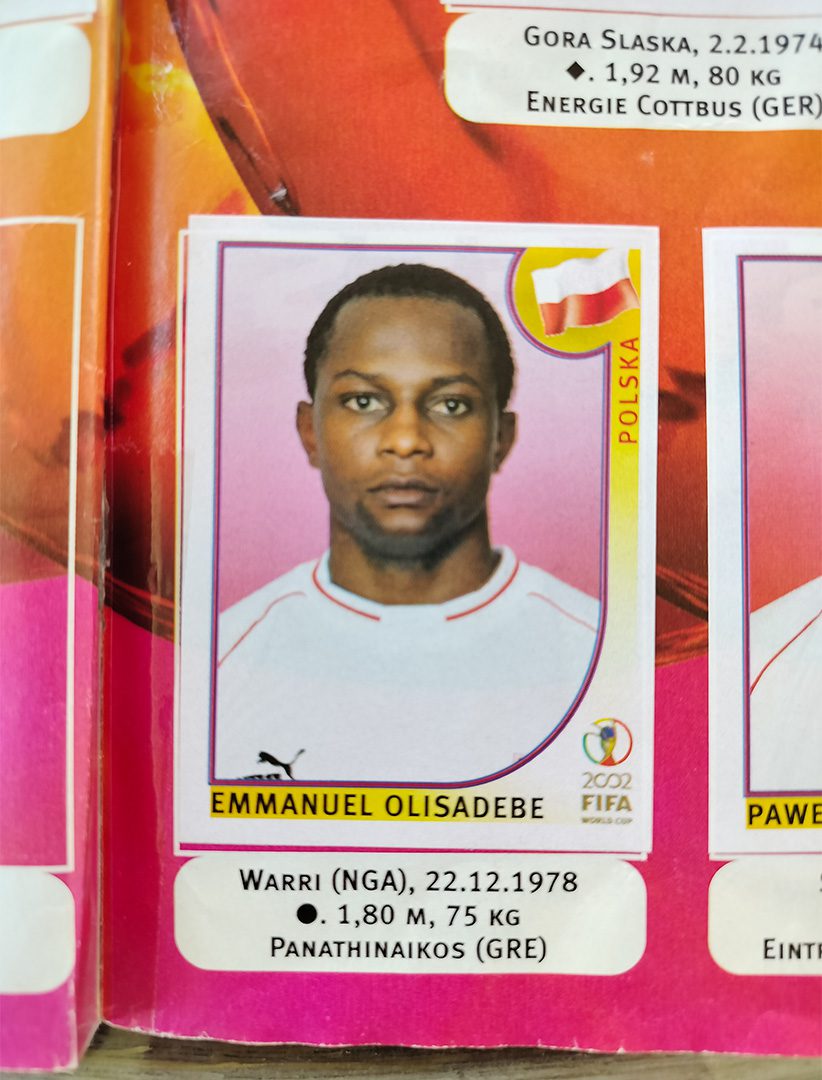
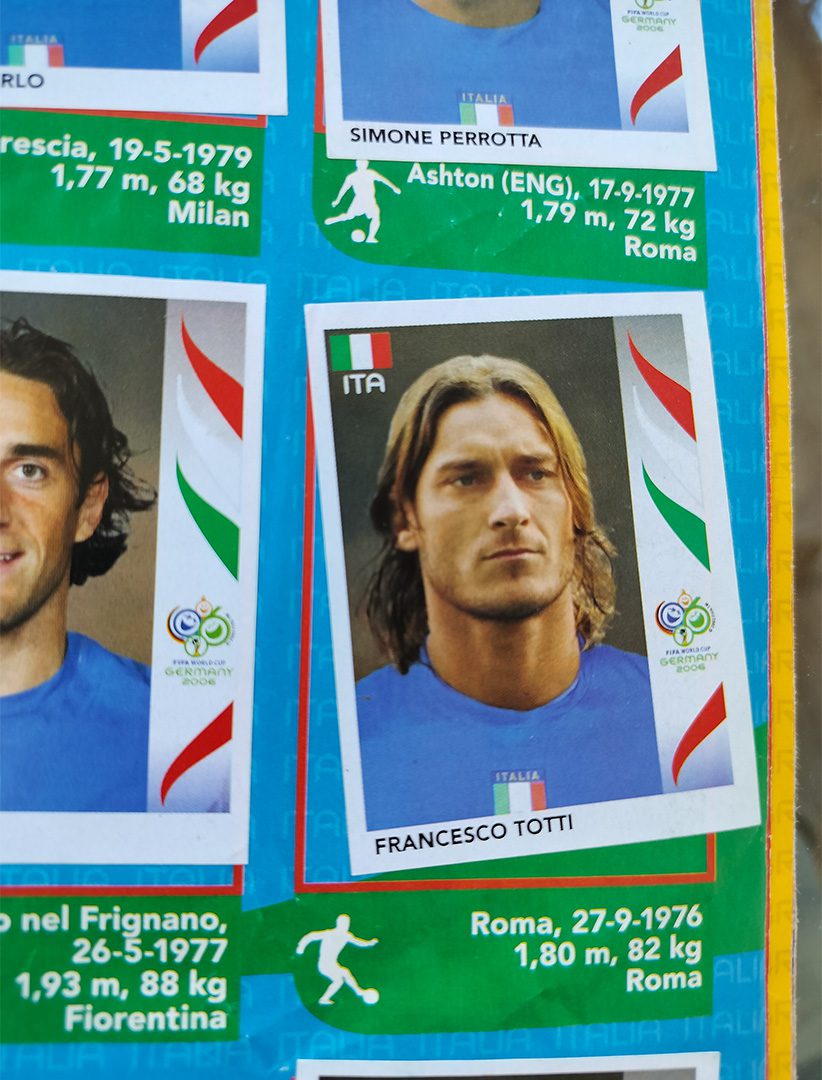
  3. On other pages were “my” players—the ones who played for Panathinaikos: R. Henriksen for Denmark (Mikaelsen was also part of the Danish squad), E. Olisadebe for Poland, and D. Šarić, R. Jarni, and G. Vlaović for Croatia.

Του Βίκτωρα Αντωνόπουλου

When I was a kid, Panini’s World Cup sticker albums felt more important than the tournament itself. Reading a recent Associated Press story on the subject, I realized that not only was I far from alone in feeling that way, but that this sentiment has only grown stronger over time. “For many children, completing the album is an achievement even more important than seeing their national team win the World Cup,” AP wrote.

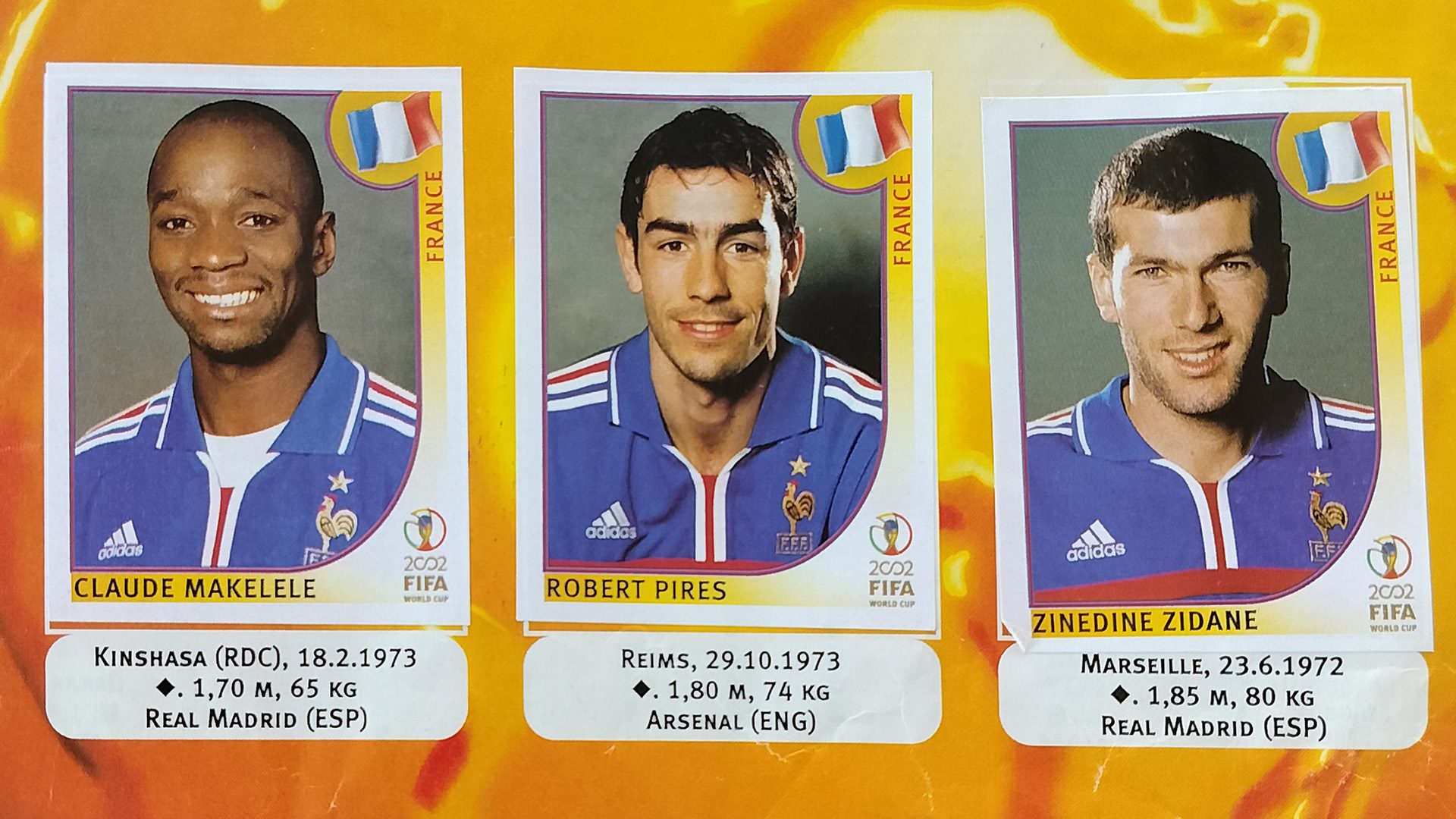
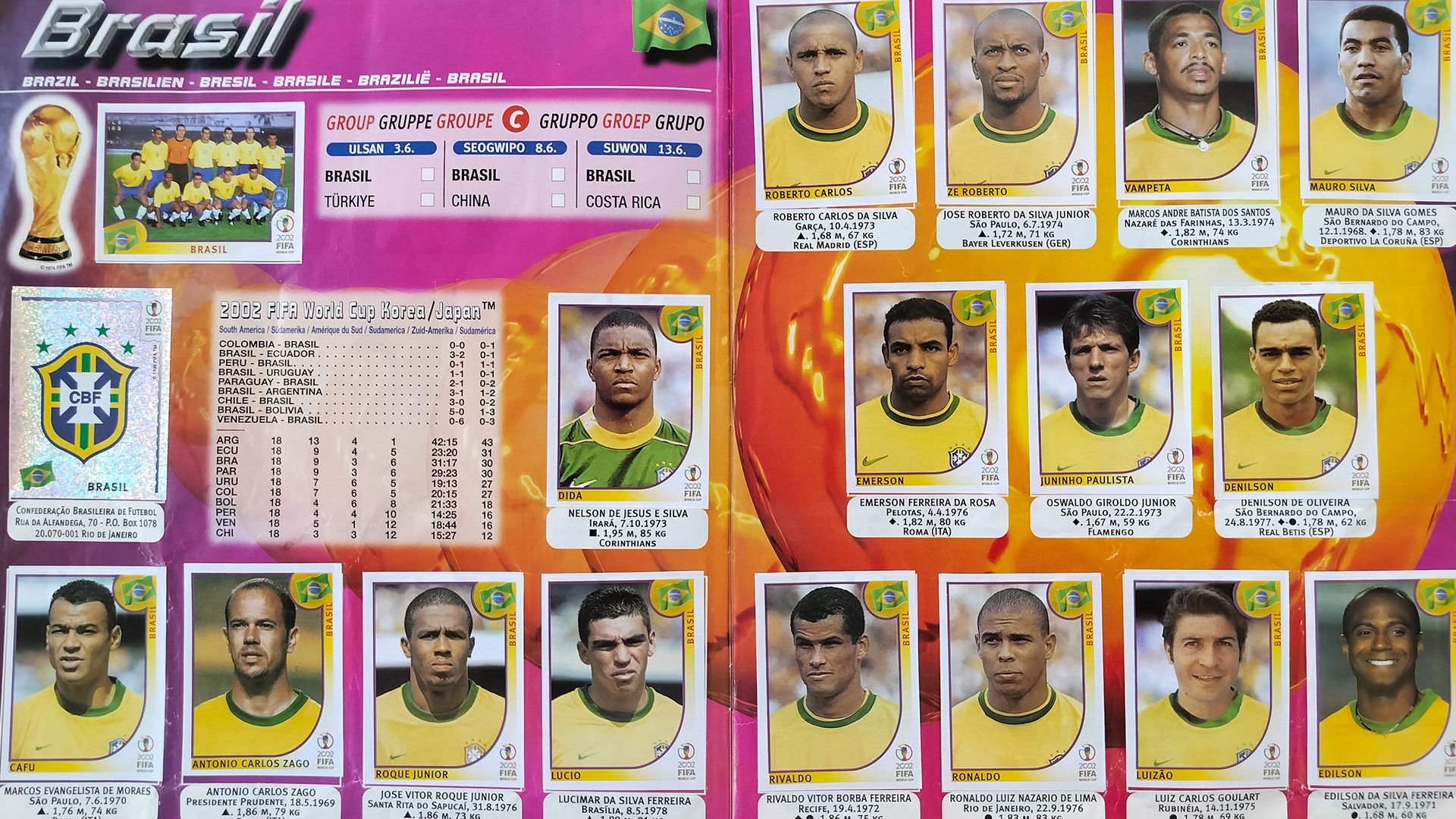
But let me take a step back for anyone unfamiliar with what I’m talking about. For most major sporting events, whether men’s or women’s competitions, Panini releases collectible sticker albums sold at kiosks and newsstands. Sticker packs are sold separately. Of course, you never know what each pack contains. Every team gets a two-page spread featuring its squad, with empty spaces waiting to be filled by stickers bearing each player’s name and photograph. As you buy more packs, the album gradually fills up with player portraits, federation crests, and team photos.

Panini was founded in 1961 in Modena, Italy, by the Panini brothers, and its first official World Cup album was released for the 1970 tournament in Mexico. This year’s album, reflecting the expansion of the tournament to 48 teams, will contain 112 pages and 980 stickers—310 more than the album for the 2022 World Cup. In 1970, when only 16 teams competed, the collection consisted of roughly 271 stickers.

For 2026, the company expects revenue of around $1.4 billion, driven largely by the World Cup and its collectible product lines. In years without a World Cup, group revenue is estimated at roughly $600 million, generated mainly through comics, magazines, and collectibles.

In Greece, a pack containing seven stickers costs €1.30. A box of 50 packs—350 stickers in total—costs €65. A box of 100 packs costs €130. For this year’s World Cup album, assuming there were never any duplicates, you would need 140 packs, costing around €182. The real cost, of course, is much higher because duplicates are inevitable.

(fyiteam)

Besides, whenever you are missing just one player to complete a team page, it becomes a law of nature that every other sticker will appear again and again until the whole process breaks your spirit. With 48 teams and the largest Panini album ever produced, I cannot even imagine how many duplicates and triplicates collectors will end up with—and somehow they always seem to be the stickers surrounding the players you actually want.

Panini insists there are no “rare” stickers and that all appear with equal frequency. My childhood self would strongly disagree.

So would Sebastião de Amorim, a mathematics professor at the University of Campinas, who argues that not only does this phenomenon exist, but that the difficulty of finding certain stickers is part of what makes collecting so appealing in the first place.

(fyiteam)

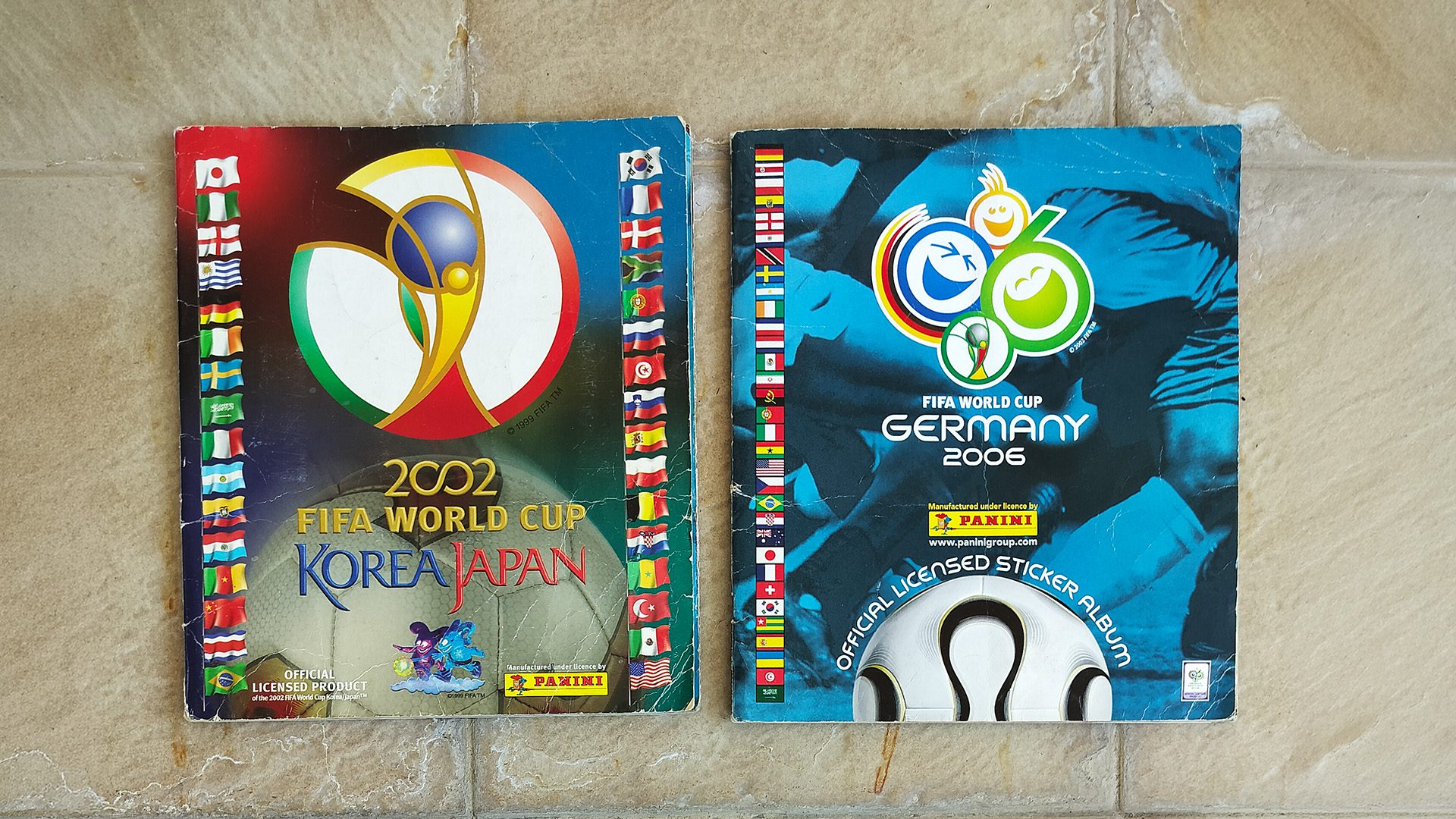
My first World Cup album was the one for the 2002 tournament. The World Cup won by that legendary Brazil side featuring Ronaldo, Roberto Carlos, Ronaldinho, Rivaldo, Cafu, and Dida. I was seven years old and spent my time hunting for players I recognized. I still remember my excitement when I pulled a sticker of the mighty Rónald Gómez of OFI Crete and Costa Rica, one of the most prolific scorers in the Greek league at the time. It was also his final season in Greece.

Elsewhere in the album were “my” players—the ones who played for Panathinaikos. René Henriksen appeared for Denmark. (Mikaelsen was also in the Danish squad, though he did not have a sticker in the album.) Emmanuel Olisadebe—known in Greece as Manolakis—represented Poland, while Daniel Šarić, Robert Jarni, and Goran Vlaović appeared in Croatia’s squad.

(fyiteam)

I remember being only a few stickers short of completing that album. My father even contacted Panini, because the company allowed collectors to order a limited number of missing stickers directly. I never managed to finish it, although I came very close with both the 2002 and 2006 World Cups. The only album I ever completed was Euro 2004—perhaps a good omen for Greece’s triumph that summer. Or perhaps not. Let’s move on.

Those albums, especially the World Cup editions that I collected during the summer, were a huge part of my childhood. Collecting stickers became inseparable from that time of year: school was over—or nearly over—that glorious season had arrived, ice cream came from the corner kiosk, and every unopened pack carried the thrill of possibility. I also remember the occasions when I had bought the album while school was still in session and came home to find sticker packs waiting on the kitchen or living-room table. If I remember correctly, that usually happened on Fridays, with a few exceptions.

(fyiteam)

Naturally, I also remember the frustration of opening the ten packs my parents had bought me and finding not a single sticker that filled one of the empty spaces in my album.

There was frustration when I stuck a sticker in crooked. Frustration when I placed one in the wrong spot. The most memorable example, however, came not from a World Cup album but from a Champions League collection, and it is worth sharing.

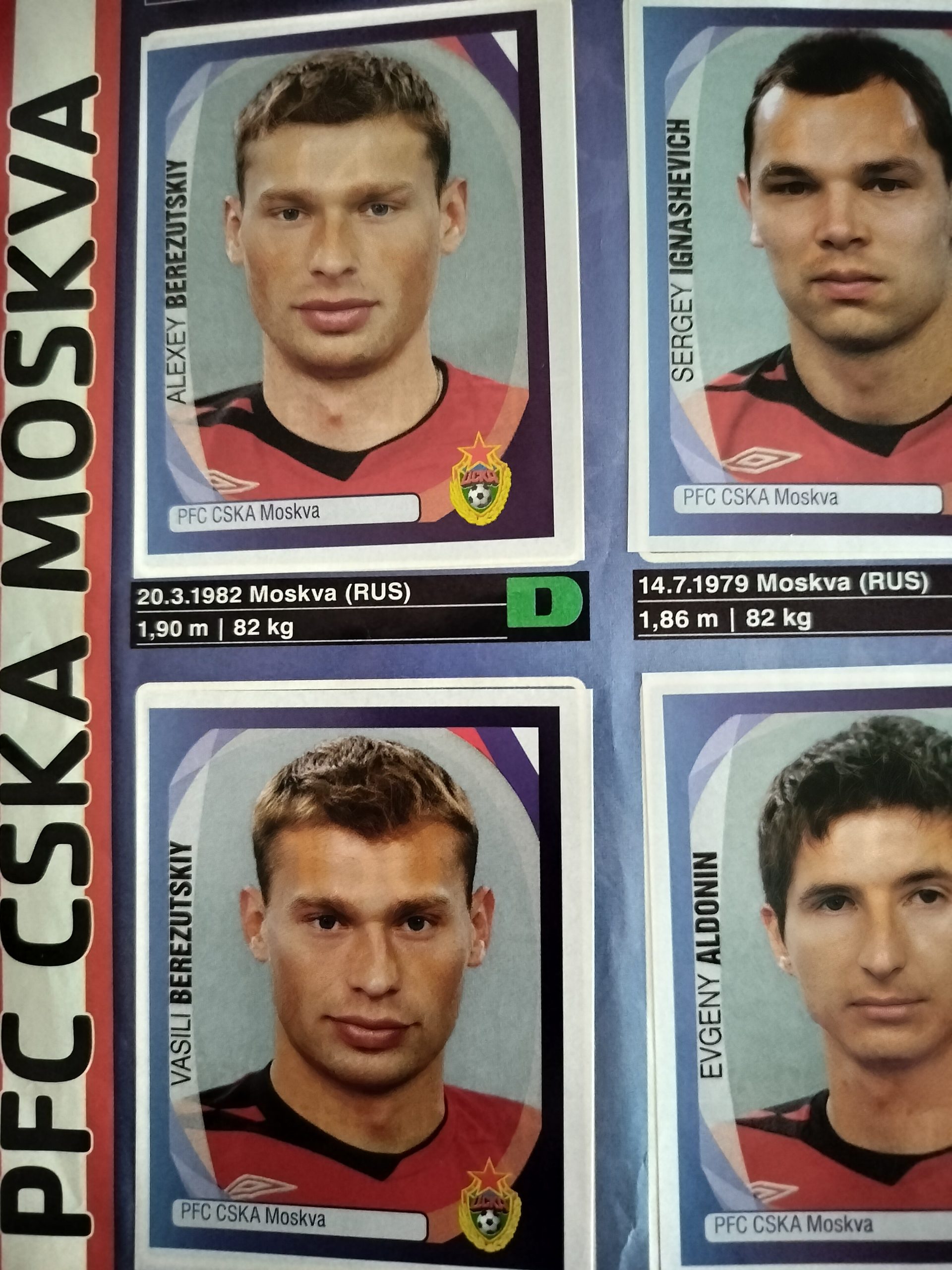
CSKA Moscow had two players in its squad who were twins: Aleksey and Vasily Berezutskiy. They looked identical. One day I was holding Aleksey’s sticker. I had already stuck Vasily’s into the album. Looking at the Russia spread, with two identical players staring back at me, I became convinced that I had made a mistake.

As a result, I peeled Aleksey’s sticker off the page. A little later, the truth dawned on me and, thoroughly humbled, I carefully placed the likeable CSKA and Russia defender back where he belonged—exactly where he had been in the first place.

(fyiteam)

It sounds more complicated than it really was, since their first names were printed right there. For some reason, though, I simply could not imagine that there could be two Berezutskiys, twins no less, playing the same position—centre-back—for the same club. For a brief moment, I even suspected Panini had made an error.

Confusions happened all the time, usually far simpler than that. Especially when I bought a box of 50 packs, my brain would eventually short-circuit and mistakes became part of the process.

Although I gave up the hobby years ago, every time I stumble across my old albums or read an article about them, the nostalgia hits hard and I find myself wanting to start again. Then I remember how expensive the hobby is and quickly come back to my senses.

And I am hardly the exception. In South America, according to AP, people have taken the culture one step further. Sticker trading is considered even more important than collecting itself. Fans gather in public squares, on street corners, and in central meeting spots, spreading out albums and duplicates as if they are preparing for some elaborate street game.

It may be one of the few football-related childhood traditions that remains, in some way, disconnected from the sport’s digital transformation. Watch a celebration today and almost everyone has a phone in hand. Football itself has migrated from public squares and streets to smartphones and gaming consoles. Not only because phones have become second nature to children, but because open space, greenery, and room to play are steadily disappearing. At the same time, ticket prices have risen so dramatically that television and YouTube often feel like the only remaining ways to experience the game.

That is why the little stickers, carefully and almost surgically placed into those albums, remain such a beautiful reminder of how special football can be through simple, seemingly silly rituals like these.

AD(1024x768)