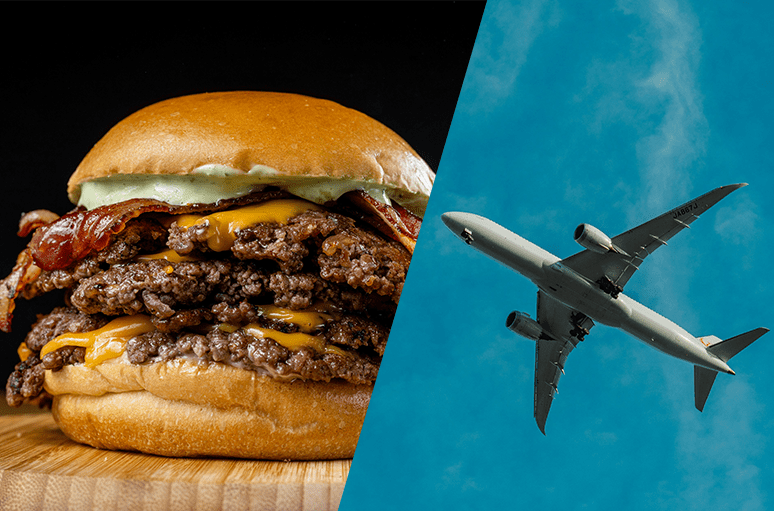
Amsterdam became the first capital city to ban public advertisements for products linked both to fossil fuels and to meat. From May 1st, ads for airlines, petrol/diesel cars, and foods such as burgers were removed from billboards, tram stops, and metro stations, replaced instead with cultural or neutral content.
The decision is part of a broader strategy: the local authorities aim to align the city’s “visual environment” with its environmental goals—namely achieving climate neutrality by 2050 and reducing meat consumption by half within the same timeframe.
The logic behind the measure is that constant exposure to advertising acts as a “reminder” that reinforces consumption. Therefore, removing such ads may limit impulsive purchases and gradually shift social norms. For example, the 2019 ban on junk food advertising on the London Underground was linked to a reduction in the purchase of unhealthy foods (equivalent to 385 fewer calories per person per week).
Livestock farming is responsible for 12%–20% of global human-caused greenhouse gas emissions, according to studies.
Although meat advertisements made up only a small share of total outdoor advertising (around 0.1%, compared to 4% for fossil fuel-related products), the symbolic significance of including them in the same framework is considerable: it reframes meat from a purely personal dietary choice into an issue with climate implications.
Amsterdam is not acting in isolation. Cities such as Haarlem (the first globally in 2024), Utrecht, and Nijmegen have adopted similar restrictions, while internationally there is a growing movement against fossil fuel advertising (e.g. in France).
Sources: ΒBC, The Guardian


 What is fyi.news?