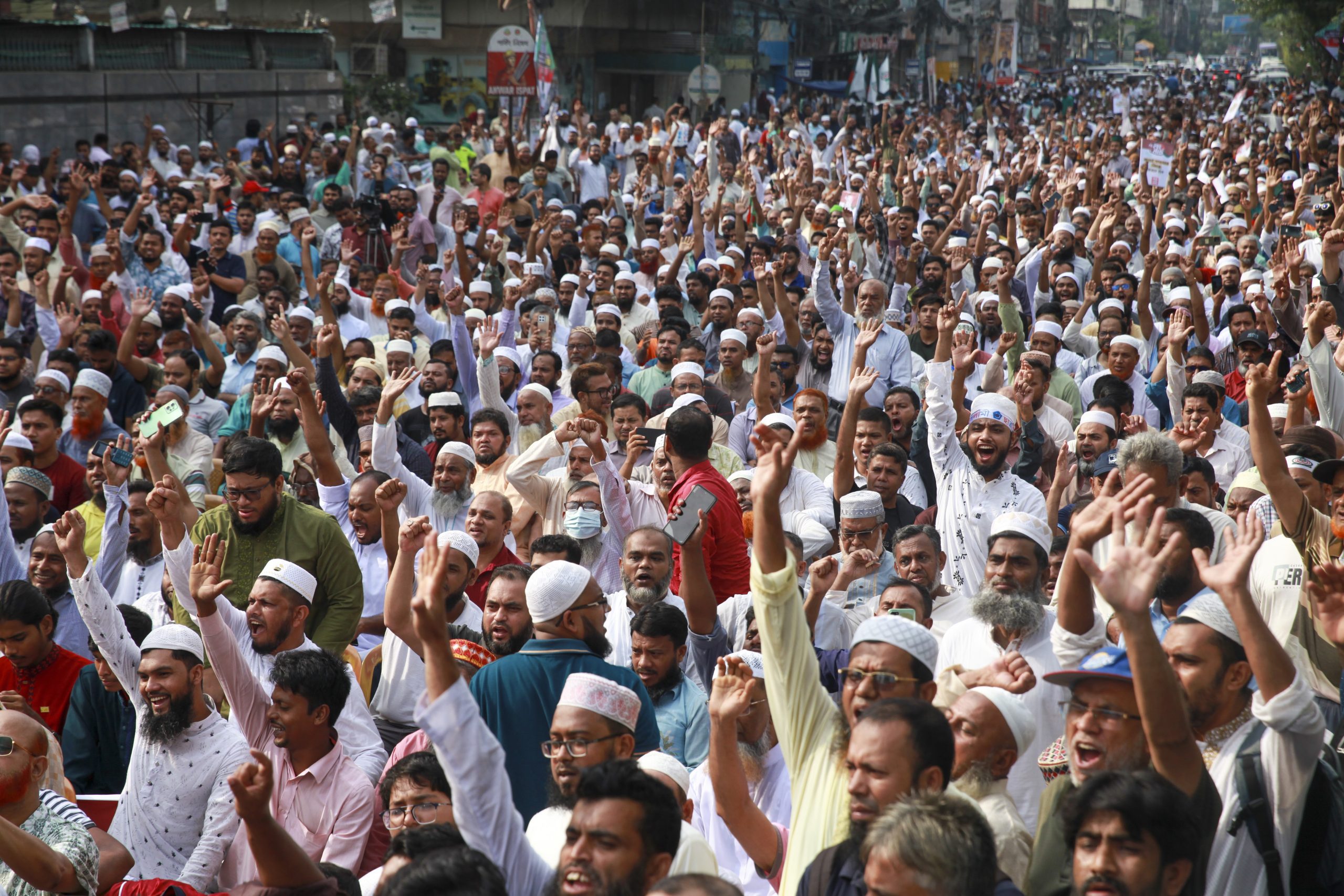
Rising energy prices are triggering protests in several countries, as the US-Israel war with Iran puts pressure on global oil and natural gas markets. Brent crude closed today at $108.75 a barrel, while fuel shortages and price increases have prompted protests in at least six countries tracked by The New York Times.
In Portugal, drivers organised “buzinões” in Lisbon, driving slowly and honking their horns, causing traffic congestion, including on the 25 de Abril Bridge. In Bangladesh, thousands of opposition supporters began a march from Dhaka, with demands including measures to address shortages of gas, electricity and fuel. Protests were also reported in Indonesia, the Philippines, Guatemala and Syria, where roads were blocked and tyres burned following fuel price increases of up to 40%.
In Greece, petrol prices have risen by 22.7% since the start of the war, while heating oil is expected to be 65% to 70% more expensive than last year.
The pressure on international energy markets is also affecting Greece. The average price of 95-octane unleaded petrol stood at €2.149 per litre on September 13, while market estimates put retail prices close to €2.20. Since the start of the war with Iran, petrol prices have risen by 22.7% and diesel prices by 34.7%, with diesel averaging €2.108 per litre.
Concerns are also growing ahead of winter. At current prices, heating oil is estimated to be 65% to 70% more expensive than at the start of last year’s heating season. European TTF natural gas prices are above €80/MWh, compared with around €31 before the war, while European gas storage facilities are around 67% full, a 15-year low for this time of year.
The government has left open the possibility of additional support, with Finance Minister Kyriakos Pierrakakis saying that any intervention on heating oil will be discussed in October, depending on how prices develop.
Sources: Τhe New York Times, Kathimerini


 What is fyi.news?