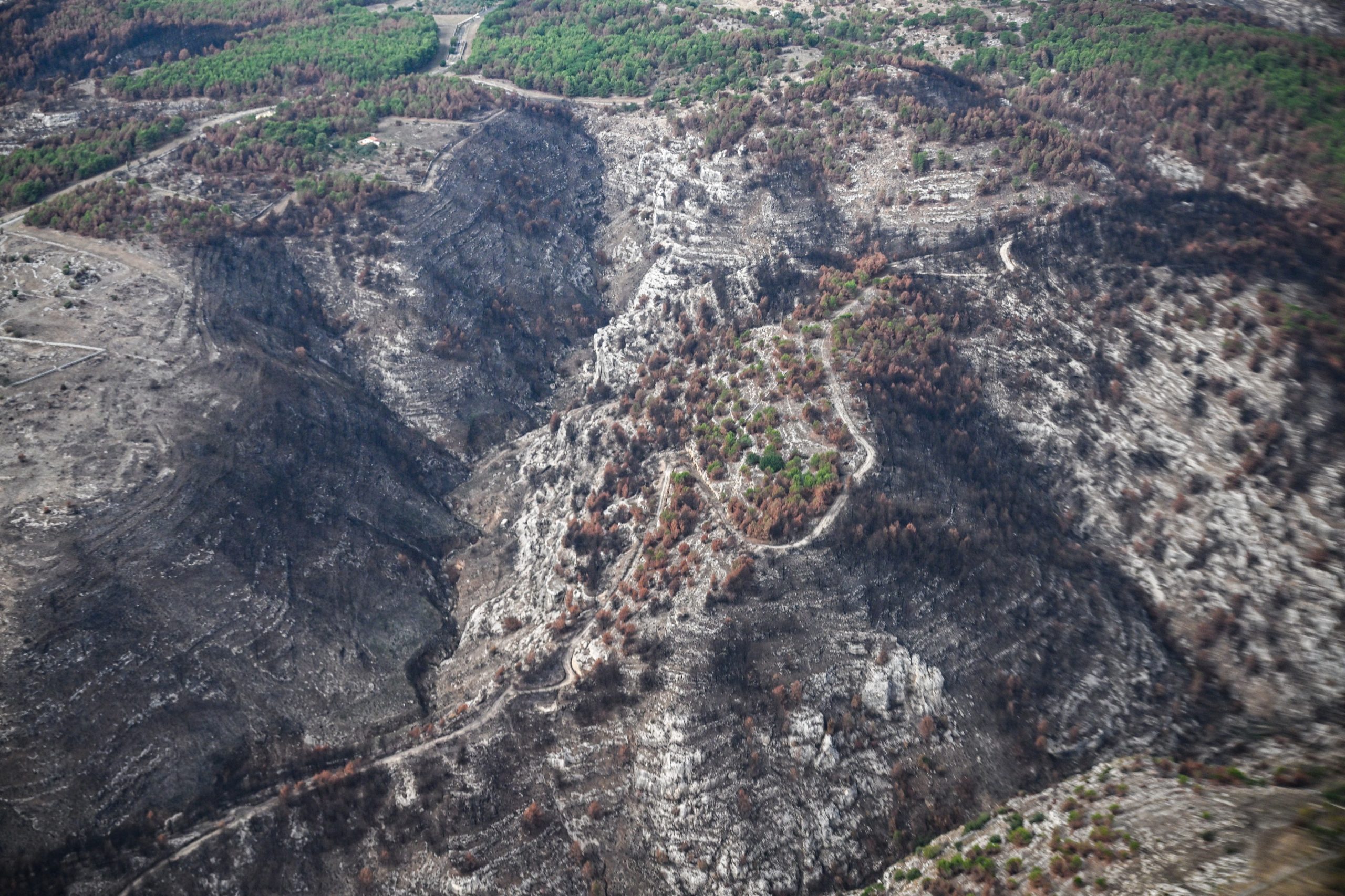
Sicily is in danger of becoming Europe’s next desert, as in some parts of the island temperatures have already risen by more than 2°C—exceeding the global goal of limiting warming to 1.5°C above pre-industrial levels set by the 2015 Paris Agreement—according to Le Monde.
The increase in temperature is associated with extreme weather patterns: intense storms in the north, drought and wildfires in the south. These have had a devastating impact on agriculture—though it accounts for only 5% of the island’s GDP, it remains a historic cornerstone of Sicily, once known as the “granary of the Roman Empire.” Wheat production, for instance, has plummeted from 9 million stremmas (about 900,000 hectares) in 1900 to 1.5 million in 2024, mainly due to persistent drought.
Sicily also holds the record for the highest temperature ever measured in Europe: 48.8°C in 2021.
At the same time, sea levels are rising. Scientists warn that by 2100, parts of the Vendicari Reserve near Syracuse could be submerged. The coastline is retreating, infrastructure is eroding, and tropical marine species such as the blue crab are appearing along Sicilian shores.
Facing an “advanced stage” of the climate crisis, Sicily has become an “open laboratory” of adaptation. Researchers and farmers are experimenting with both traditional and tropical crops—from avocados and mangoes to macadamia nuts—while locals, despite heavy losses, continue to show resilience and faith in nature, hoping that through smart practices they can adapt to the island’s changing climate.
Source: Le Monde


 What is fyi.news?