(fyiteam)

Youth is wasted on the young, except for Gen Zs, who it just skipped altogether

Add your Headline Text Here
@fyinews team

28/04/2024

Copy link
fyi:
  • 26?  You don’t say!
  • Stress, stress, stress
  • “Gen Z say Knock Knock” “Who’s there?” “Prima.” “Prima, who?” “Premature aging for all of you!”
  • Do not follow the blue light
  • Gen Z, we’re spotting a smidgeon of deluluness
  • Gen Z, why are you so age-obsessed;
  • Fillers at 24; We’re not judging (much)
  • Gen Z, you’re getting older; it’s time to start accepting it

26? You don’t say!

(fyiteam)

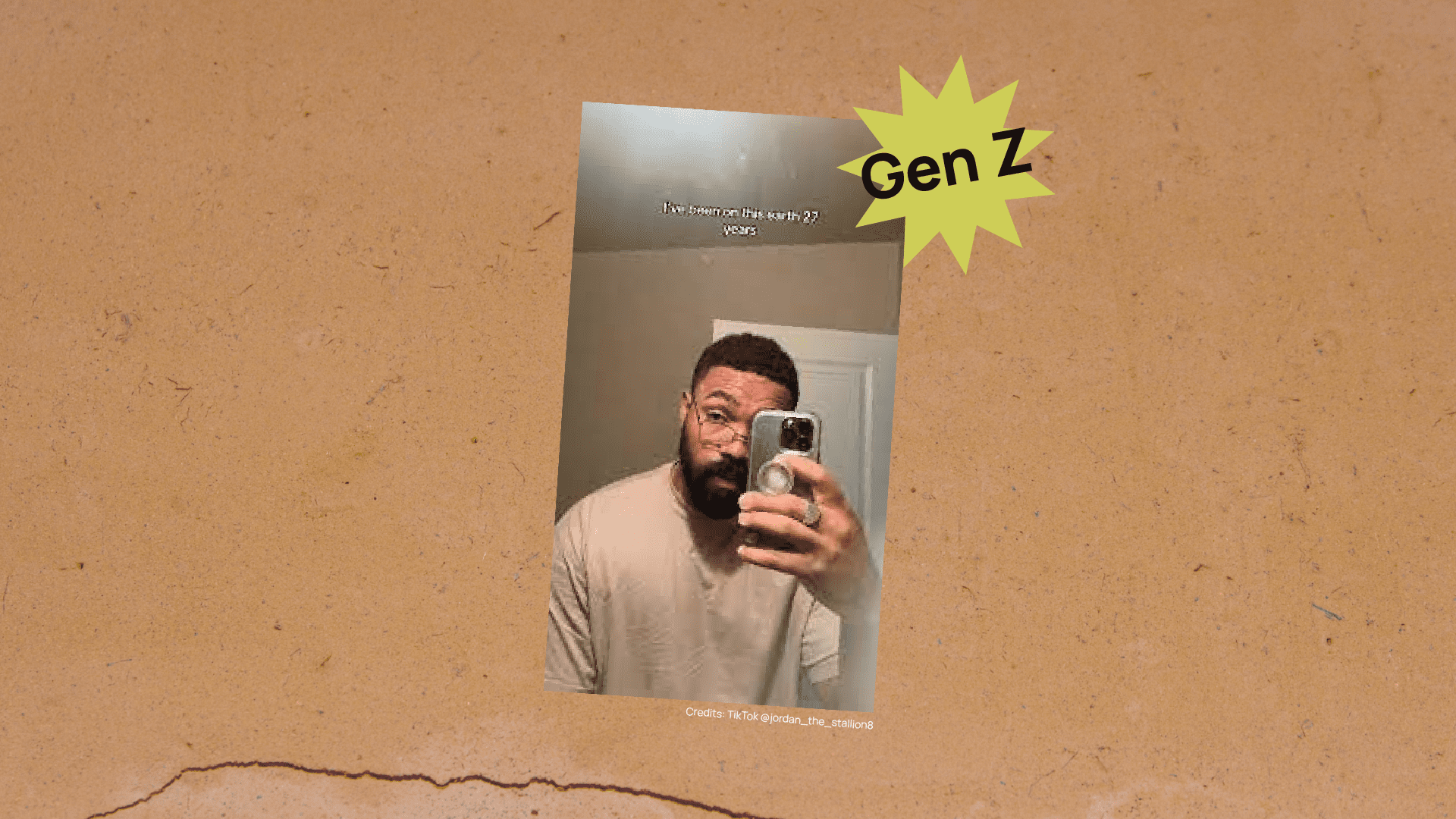
When 26-year-old TikToker Jordan Howlett exposed his age to his 12+ million followers, revealing that he’s often mistaken for his mom’s older brother, TikTok was shocked.

As it turned out, according to thousands of comments, he’s not the only Zoomer (born 1997-2012) who appears much older than their age.

While no scientific theory definitively proves that Gen Z is aging prematurely, two leading hypotheses have emerged to explain why it might happen.

Stress, stress, stress

According to Jordan himself, the main reason Gen Z appears older is due to the stress they endure during what should be their carefree years.

According to a Globe Scan survey, 35% of Gen Z individuals (ages 12-27) report feeling stressed “all the time” or “most of the time,” compared to 29% of Millennials (ages 28-43).

“Gen Z say Knock Knock” “Who’s there?” “Prima.” “Prima, who?” “Premature aging for all of you!”

A study published in the scientific journal Cellular Metabolism indicates that stress can accelerate a person’s biological aging, affecting how their body looks and functions irrespective of their chronological age.

Hormones released during periods of stress, such as cortisol and adrenaline, have the potential to cause DNA damage or inflammation, leading to premature aging.

Stress is the reason Gen Z seems to be turning gray or losing hair earlier than other generations.

Do not follow the blue light

(fyiteam)

Another popular hypothesis circulating on TikTok suggests that Gen Z’s premature aging could be linked to increased exposure to blue light emitted by screens, indoor lighting, and sunlight. Research indicates that this exposure accelerates aging.

This influence could be more pronounced among Gen Z due to their extensive screen time (averaging 49 hours per week in the US as of 2023) and their screen exposure starting at a younger age. Research suggests that most Gen Z members received their first smartphone around the age of 12.

Gen Z, we’re spotting a smidgeon of deluluness

In addition to its practical effects, excessive screen time can influence our perception of our facial appearance.

Gen Z adults constitute 36.6% of TikTok users worldwide. There, they are exposed daily to tens or hundreds of videos featuring filtered faces of strangers, with their features altered. For instance, “Bold Glamour,” one of the app’s most famous beauty filters, has been used in over 200 million videos.

According to psychologists, this phenomenon can lead to confusion regarding the expected appearance of a new face.

Gen Z, why are you so age-obsessed;

Another factor contributing to why Gen Z feels like they’re aging faster is their preoccupation with the concept of aging.

There are extreme examples, such as the viral video of a 14-year-old sharing the “steps” she takes to “slow down the aging process” and videos of 12-year-olds purchasing anti-aging creams.

Moreover, data from Circana reveals that 70% of Gen Z skincare enthusiasts in the US use anti-aging serums daily.

Fillers at 24; We’re not judging (much)

Simultaneously, there’s a rising trend among Gen Z individuals opting for cosmetic procedures.

In 2022, Gen Z made up 6% of the total plastic surgery patients and 25% of cheek filler recipients in the US.

Cheek fillers, similar to Botox, fall under what Gen Z terms “tweakments,” which refer to noninvasive cosmetic procedures aimed at “preventing” aging.

However, these may ultimately make them look older, as we typically associate faces with such interventions with older age groups.

Gen Z, you’re getting older; it’s time to start accepting it

Those born in 1996 will reach 28 this year (yes, really). For most of them, the production of collagen in their skin, which helps maintain their youthful appearance, started to slow down around three years ago.

If you’re concerned about aging, prioritize practices that benefit your well-being. Maintain a balanced diet, get adequate sleep, stay hydrated, use sunscreen regularly, and consider incorporating moisturizer into your skincare routine.

Remember, no amount of anti-aging products can undo the effects of stress and worry.

Sources

AD(1024x768)