What is fyi.news?
- Listen(read) and learn
- Water affects blood circulation
- The body thinks it has too much fluid
- The first signal comes from the brain
- The second signal comes from the heart
- Posture plays a part
- Source




 (fyiteam)
The sudden, intense urge to pee when we enter the water is caused by a physiological process known as “immersion diuresis,” according to experts who spoke to The Guardian.
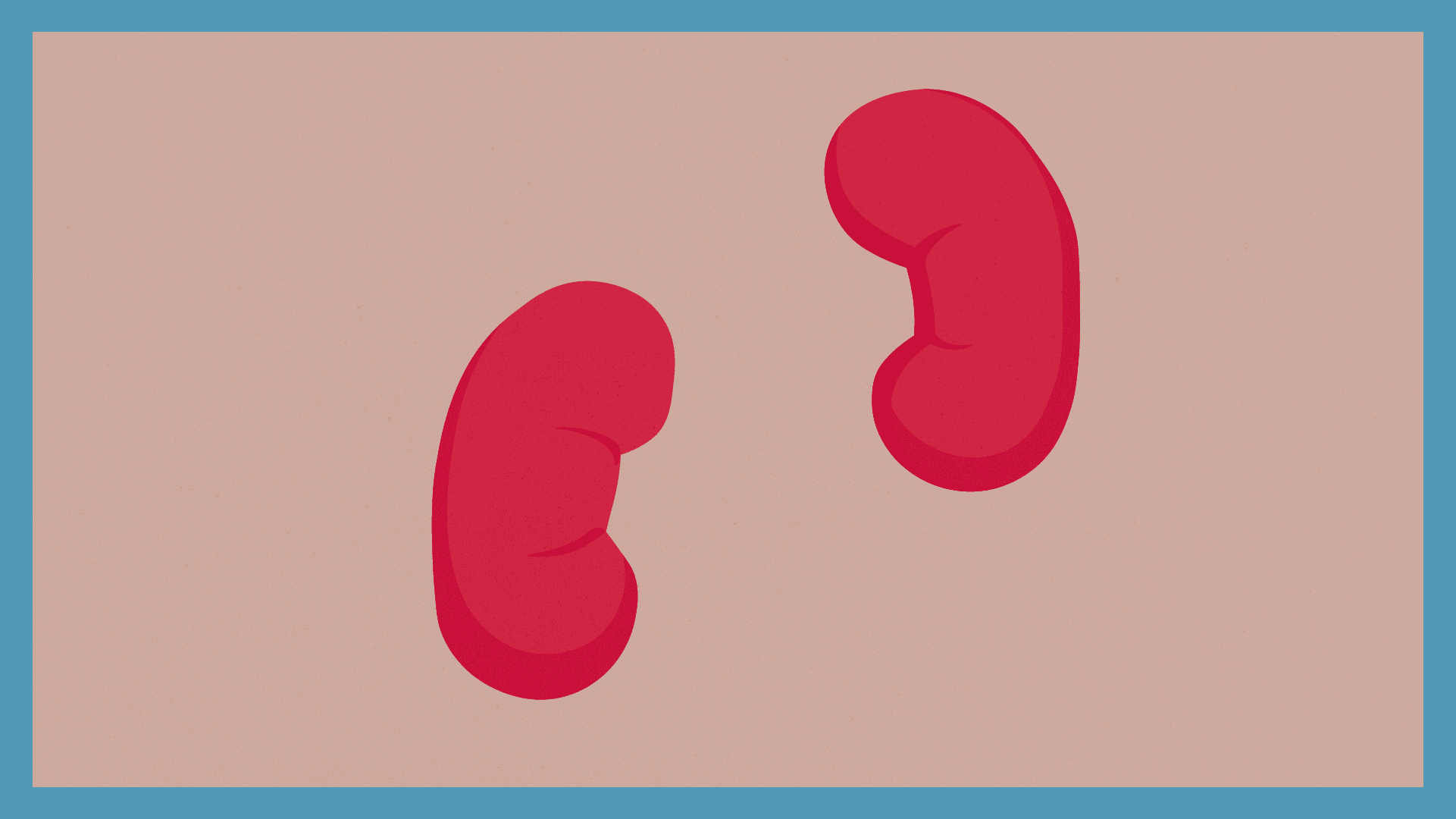
Diuresis is the medical term for increased urine production and excretion by the kidneys*.
*The kidneys filter waste and excess substances from the blood (such as water and substances the body doesn’t metabolize), which are then excreted in urine.
 (fyiteam)
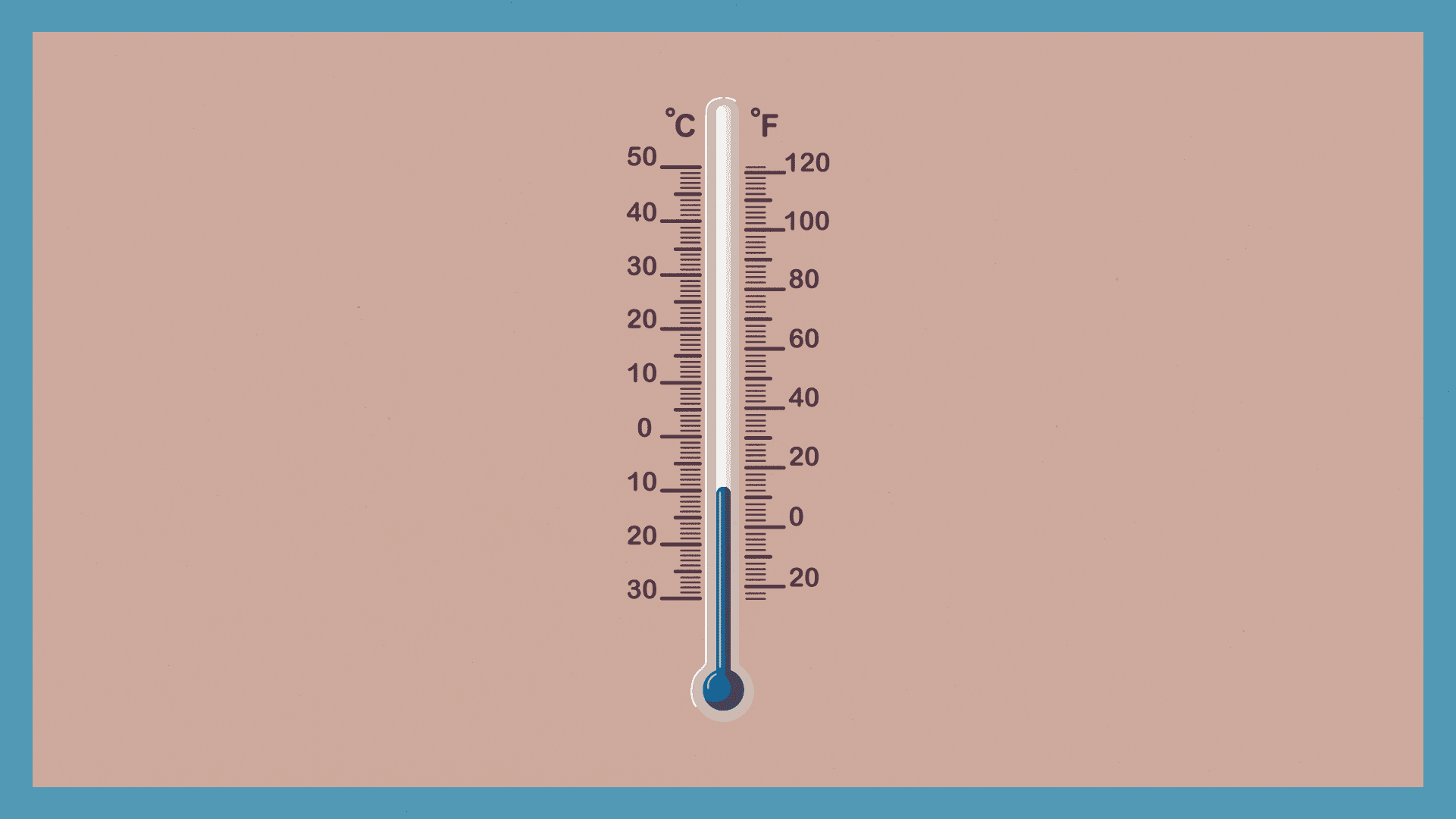
When we enter water that is colder than our body, the blood vessels in our skin constrict to reduce heat loss and help maintain a stable body temperature.
This constriction causes more blood and fluid to move from the extremities toward the center of the body.
When this happens, the body interprets the increased volume of blood in the chest as a sign that it has too much fluid.
The kidneys respond by removing more water from the blood and producing more urine, which creates the urge to pee.
This is a “reflex” mechanism that prevents an excessive increase in blood volume around the heart and involves two processes.
 (fyiteam)
When specialized receptors in the heart and lungs detect an increase in central blood volume, they signal the brain to reduce the release of antidiuretic hormone.
This hormone normally tells the kidneys to retain water. When its levels drop, the kidneys reabsorb less water and produce more urine.
 (fyiteam)
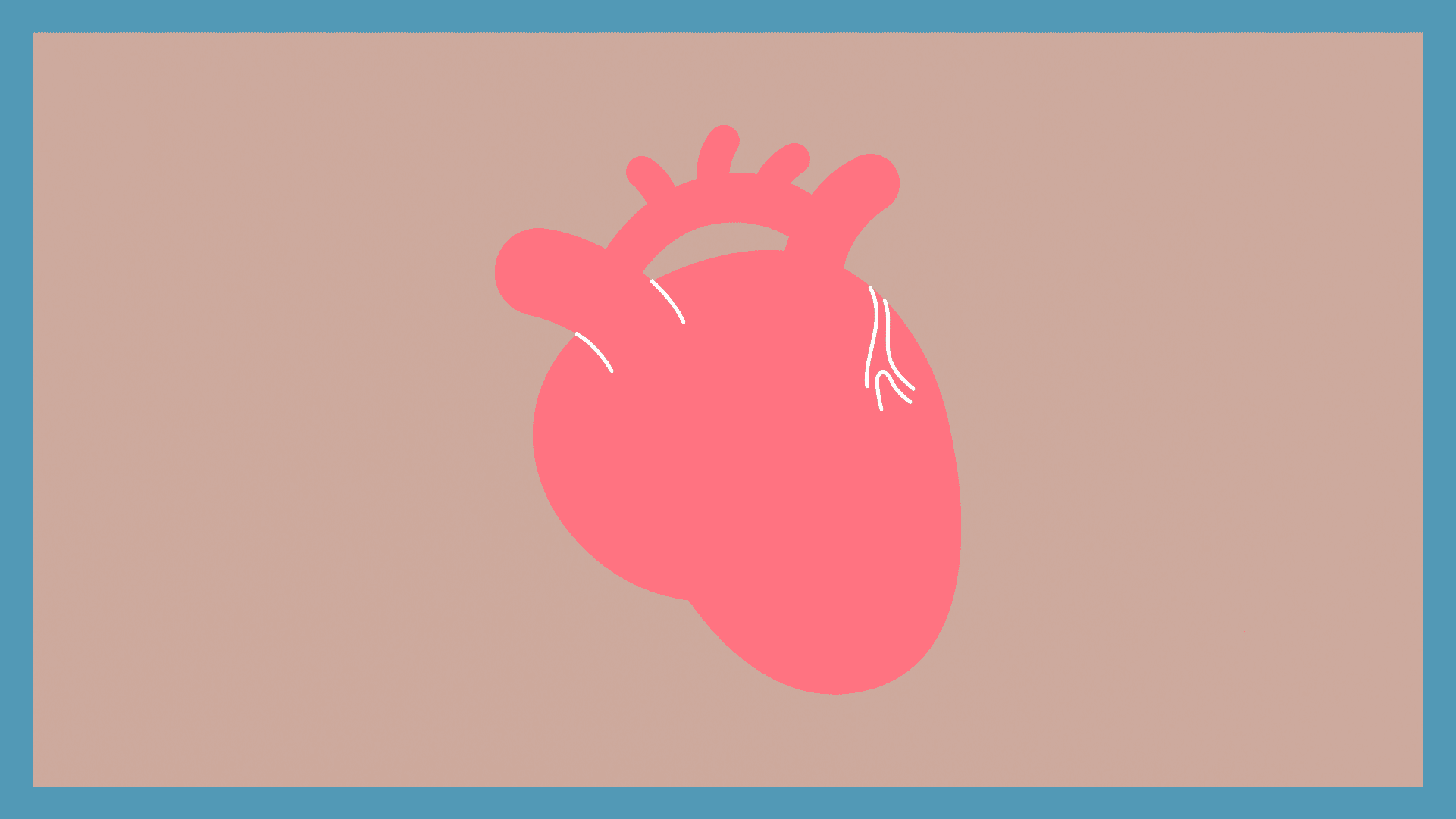
At almost the same time, in response to the increased blood volume, heart muscle cells release a hormone called atrial natriuretic factor, or atrial natriuretic peptide.
This hormone dilates blood vessels, helps lower blood pressure, and increases the excretion of sodium and water by the kidneys, helping restore fluid balance.
 (fyiteam)