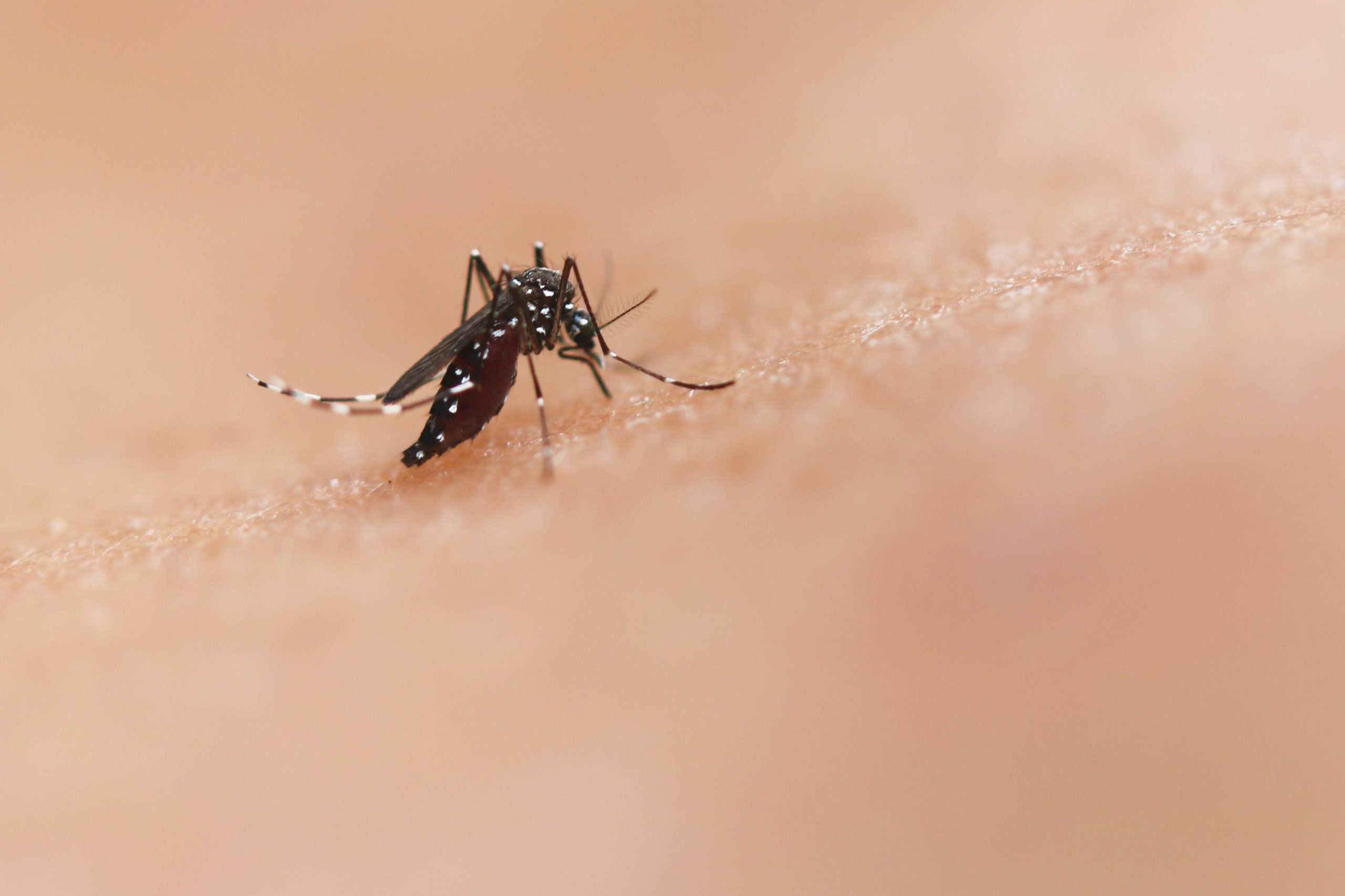
A combination of factors—including breathing, body heat and the chemical signals emitted by the skin—makes some people far more attractive to mosquitoes, according to a BBC article.
Only female mosquitoes bite, as they need proteins from blood for their eggs to develop. They can detect potential hosts from a distance of around 10 metres, relying primarily on their sense of smell.
One of the most important signals is the carbon dioxide we exhale. Adults, larger individuals and people who exercise generally produce more CO₂, heat and moisture, making them easier targets. Physical activity can also temporarily increase a person’s attractiveness to mosquitoes because it raises body temperature and causes sweating.
Only female mosquitoes bite, as they need proteins from blood for their eggs to develop.
Similarly, pregnant women may be up to twice as attractive to mosquitoes as women who are not pregnant. This is attributed to increased metabolic demands, higher body temperature and a greater breathing volume during pregnancy.
The strongest factor, however, appears to be each person’s distinctive skin odour. Bacteria that naturally live on the skin break down fatty acids, carbohydrates and peptides, producing more than 500 volatile organic compounds. Among them, carboxylic acids appear to significantly increase mosquito attraction, particularly when combined with substances such as ammonia and lactic acid.
In a study involving 64 people, the most attractive human odour sample received a score up to 100 times higher than the least attractive one. These differences also remained stable over several years, suggesting that a person’s relative attractiveness to mosquitoes does not change easily.
Πηγή: BBC


 What is fyi.news?