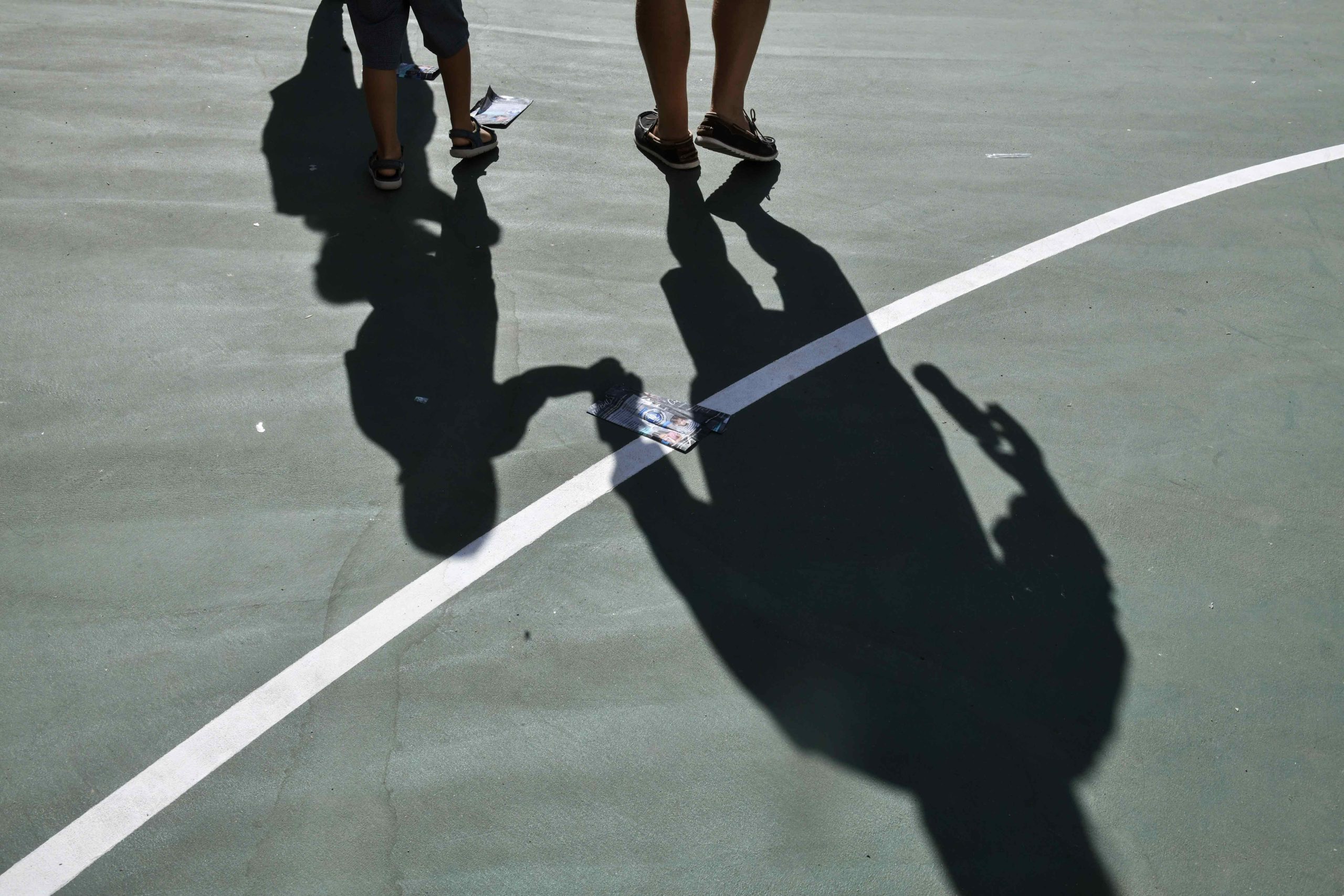
A 16-year-old girl goes missing in Patras and is being sought across Attica; in Evia a 15-year-old boy who, according to his family, is being repeatedly bullied by classmates took his own life; around the same time one of his peers from Serres is taken into custody over the fatal beating of a 17-year-old boy; four minors are identified in Thessaloniki for thrashing a 14-year-old girl while videotaping the attack.
These are just a few of the headlines from police editors’ reports in the first days of 2026. It’s not as if all the world’s evil was suddenly unleashed; you must live in a cave not to see that minors are growing up in a violent environment —one they adapt to and reproduce. According to Hellenic Police statistics, about 1 out of 3 children in Greece state that they have experienced some form of bullying. In 2024 incidents of youth violence rose by 40–46% compared to the previous year, while in the first months of 2025, about 3,000 minors were arrested for various offenses of violence.
Suicide, running away from home and disappearances are like messages in bottles tossed into the ocean – left for us to find.
Do you have to be a parent to freak out when you read in the news about juvenile delinquency or missing children? In my view, no, I don’t see parenthood as the sole measure of social awareness. These children are telling us something, obviously something different in each case. Suicide, running away from home and disappearance set off a deafening alarm. They are, in their own way, a form of communication: messages in bottles thrown into the ocean for us to find and, even now, try to understand. And the minors we often label “wild” are also “shouting”, they are asking for someone’s attention.
In the case of Serres, we revisited the role of social services; the organization The Smile of the Child and the schools attended by the accused and his brother had submitted reports to the public prosecutor’s office citing extremely poor living conditions for the children, a harsh family environment and incidents of bullying against their classmates. Reading Alexia Kalaitzi’s report in Kathimerini, we arrive at the same problem that surfaces every time we, as journalists, try to untangle issues of social welfare and the protection of minors: gaps in the system and in response protocols, as well as a problematic coordination among the actors involved. With the benefit of hindsight, if the system had worked as it should, it would have responded at the first warning signs and these two boys might have been moved into the healthy and organized environment of a properly functioning facility, while their mother received support and help; they might have had a genuine second chance to live together, with less anger and fewer wounds. He might not be facing such a serious charge while awaiting trial behind bars. Most importantly, the other child might still be alive. Maybe it would have turned out that way; maybe it wouldn’t, but this does not reduce the necessity or the responsibility of the welfare state.
Even at the last minute, at the last possible opening, so long as there is still time, communication and intervention, there is still an opportunity to change the course of a child’s life.
Last April, for our report, we visited the Avlona Special Youth Detention Centre in Attica, where about 360 young people from 18 to 21 years old were detained. Even those who managed to find a peculiar calm inside, and the time to imagine how they want to rebuild their lives, would give anything never to enter in the first place, because the physical place of childhood and youth has no cells.
The media, as a whole, cover juvenile delinquency and cases of missing minors intensively, producing reports and giving specialists time and space to say what needs to be said, so we understand that children need our attention.
But until we, as parents, climb out of the rabbit hole of our daily obligations; until we all grasp the scale of the momentous shift toward the manifestation of violence at such young ages; until schools, teachers, facilities, public prosecutors’ offices, organizations and entire welfare network are coordinated, are we supposed to accept that “some children will be lost”? Morally, it’s intolerable and unacceptable to admit that some children were at risk while simply walking alone around Athens —when they never should have been —or that some have ended up in prison or in morgues— when they never should have.
After discussing with specialists who have extensive experience with children, adolescents and their “dark sides”, one piece of advice stayed with me: persist until the last moment, until the last opening, so long as there is time, connection and intervention there is an opportunity to change the course of a child’s life.


 What is fyi.news?