(fyiteam)

What will the Kurds do in the U.S.–Israel war against Iran?

Add your Headline Text Here
@fyinews team

13/03/2026

Copy link
fyi:
  • Who are the Kurds
  • Iran attacked the Kurds of Iraq
  • Are the U.S. and Israel making room for the Kurds?
  • Will they support the Kurds of northern Iran?
  • Kurds of Iran and Kurds of Iraq
  • Why do the Kurds of Iraq take a different stance?
  • The Kurds do not know what the U.S. will do
  • They do not trust the United States
  • Turkey’s constant obstruction
  • Sources

Who are the Kurds

(fyiteam)

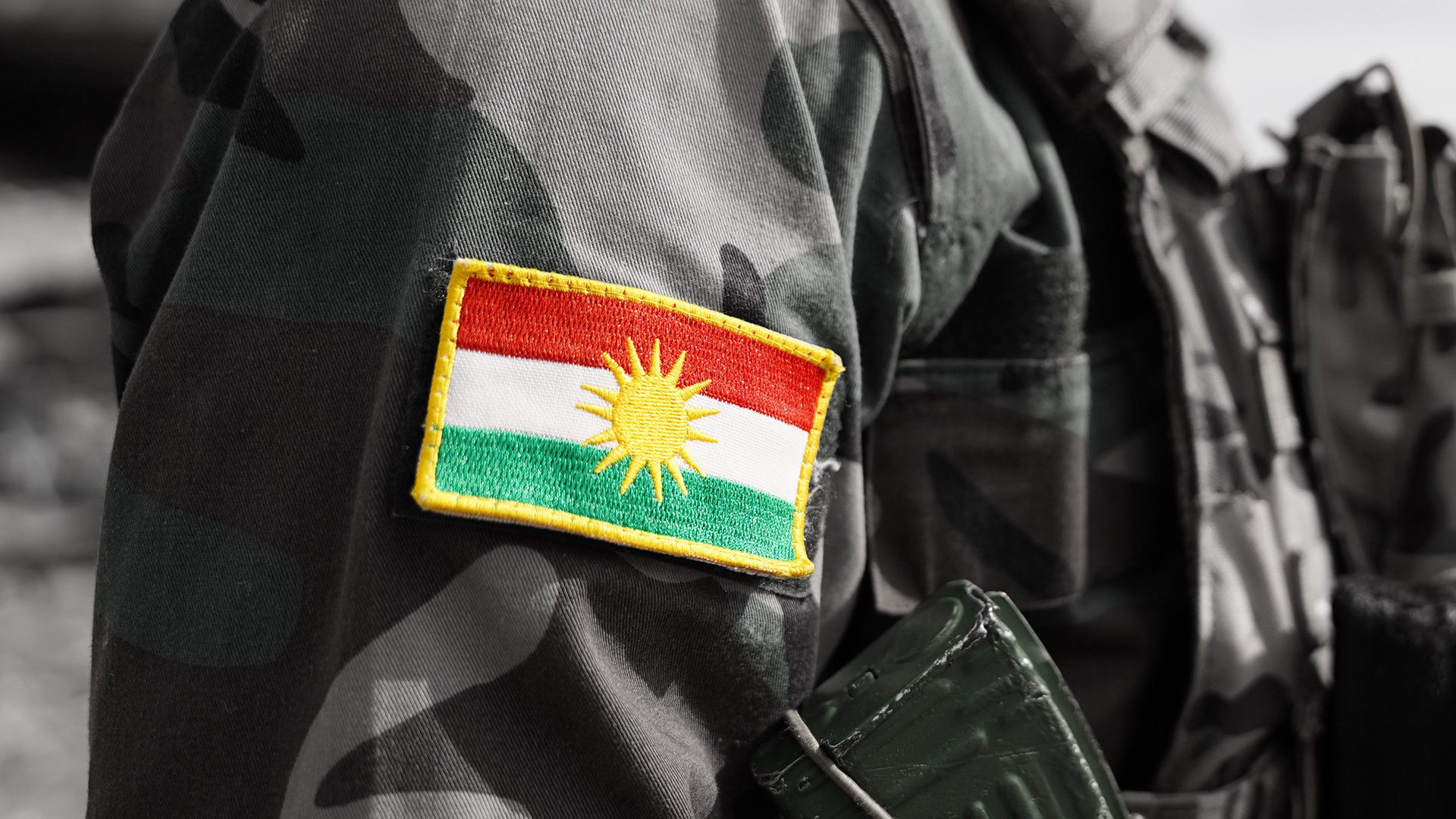
The Kurds number around 30 million and, despite not having their own state, live along the borders of the following countries: Turkey, Iraq, Iran, Syria, and Armenia.

For decades, various armed Kurdish groups have sought self-governance in Turkey, Syria, and Iran.

They are mostly Sunni Muslims, but they have many different cultural, social, religious, and political traditions, while sharing a common language (Kurdish) with many dialects.

Iran attacked the Kurds of Iraq

Iran attacked the semi-autonomous Kurdish region of Iraq, in the city of Sulaymaniyah, where both Iraqi Kurds and Iranian Kurds live.

The attack came a few days after reports that U.S. President D. Trump was in talks with both groups in order to use them in the war that the U.S. and Israel are waging against Iran, with the goal of overthrowing the regime.

Are the U.S. and Israel making room for the Kurds?

The U.S. has not ruled out sending ground forces, although analysts estimate that Iran’s rugged terrain would make such an operation very difficult. For the operation, they are considering Iranian-Kurdish forces with the aim of eliminating Tehran’s leadership.

Other analyses say that the U.S.–Israel bombardments along the Iran–Iraq border are meant to weaken Iranian defenses so that Kurdish opposition groups can enter Iran.

Will they support the Kurds of northern Iran?

There is also a scenario suggesting that Kurdish forces in northern Iran could be supported in order to take control of the region and create a security zone for Israeli forces, in case they decide to enter through Iraq.

However, despite the analyses, estimates, and scenarios, in reality Trump himself does not appear to have decided what he will do—specifically whether he will proceed with a ground operation in Iran and with whom.

Kurds of Iran and Kurds of Iraq

Iranian Kurds and Iraqi Kurds have different approaches to the war, although they maintain historical ties.

The Kurds of Iran want to participate in a plan to destabilize Tehran, since the groups from the region- now based in northern Iraq in exile- oppose the regime and have thousands of fighters along the Iraq–Iran border.

The Kurds of Iraq, however, want to maintain a balance with all sides.

Why do the Kurds of Iraq take a different stance?

The Kurds of Iraq are caught between their relationship with the Americans—whom they consider allies—and the good economic relations they maintain with Iran.

At the same time, they face pressure from the Kurds of Iran (with whom they are allied), who want to fight the regime and are urging them to open their borders.

If they do so, however, Iran has warned that it will retaliate if fighters attack from Iraqi Kurdish territory.

The Kurds do not know what the U.S. will do

(fyiteam)

For the time being, the Kurds are choosing neutrality, among other reasons because they do not believe that regime change in Iran is possible without a ground invasion.

At the same time, they are not certain whether the United States seeks regime change or simply a change of leadership within the existing regime.

They do not trust the United States

(fyiteam)

The Kurds do not trust the United States—despite considering it an ally—because they fear it will not defend them if the Iranian regime survives.

The most recent U.S. “betrayal” of the Kurds concerns Syria, as until early 2026 the United States did not assist the Kurds during the attacks they faced from the Damascus regime under Syrian President Ahmed al-Sharaa, until they eventually capitulated.

Instead, Washington supported Damascus.

Turkey’s constant obstruction

Similarly, in 2017, when Trump withdrew U.S. troops from Syria, he effectively “allowed” Turkey to invade northern Syria against the Kurdish allies, despite previous commitments to protect them.

The Kurds, who aligned with the United States during the Gulf War (1990–1991), the U.S. invasion of Iraq in 2003, and the war against ISIS in 2016, never received the American support they expected—especially against Turkey, which persecutes them—for the creation of their own state.

Sources

Guardian

Axios

Al Jazeera

Washington Post

AD(1024x768)