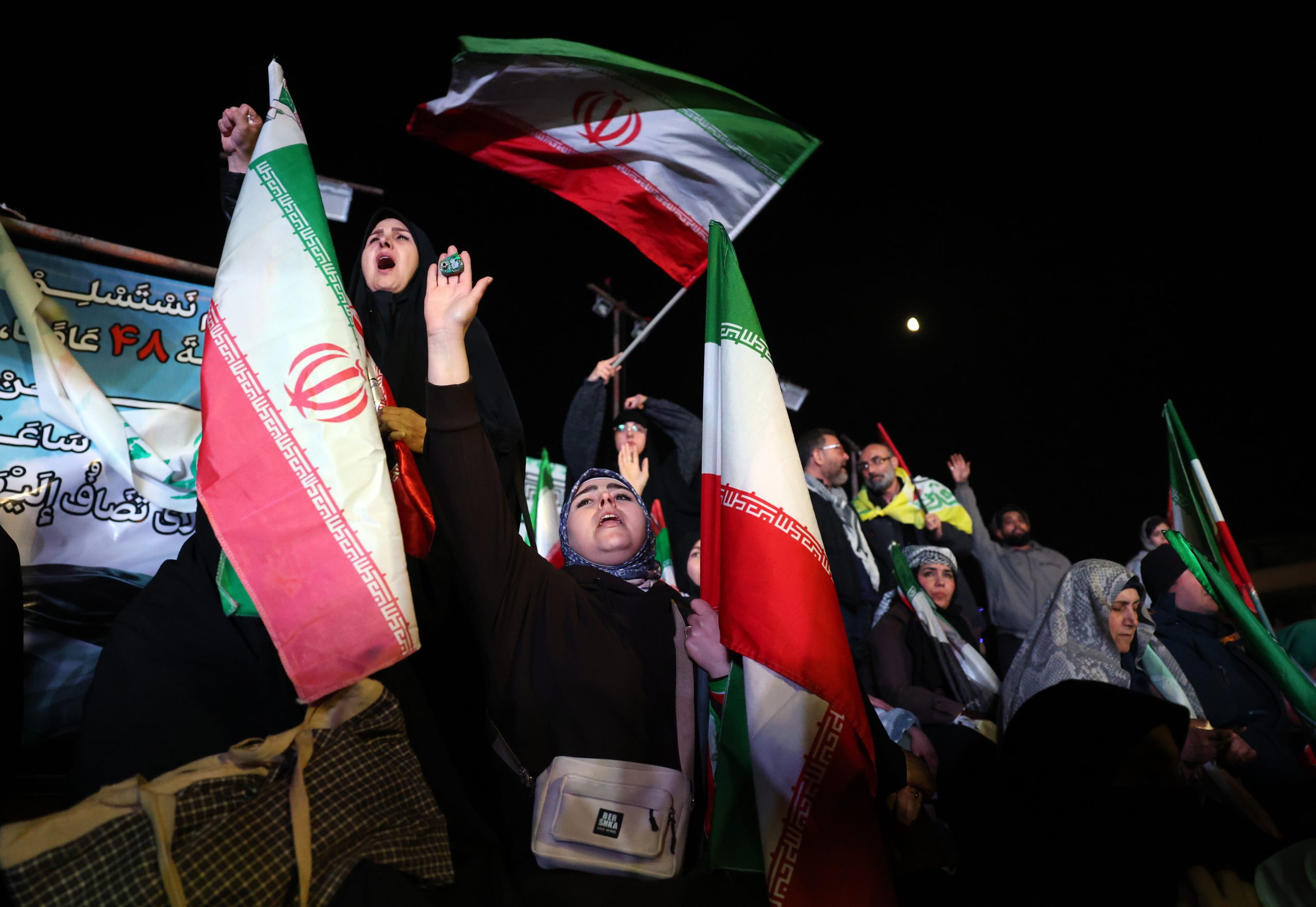
The United States and Iran have agreed to a two-week ceasefire and the temporary reopening of the Strait of Hormuz, with both sides equally celebrating victory in the war. The agreement was announced shortly before the expiration of Trump’s ultimatum, which stated that if Iran did not “open” the Strait of Hormuz, “an entire civilization would die.”
The negotiations, which will officially begin in Islamabad on Friday, will be based on Iran’s 10-point plan, which includes:
- The lifting of all direct and indirect sanctions on Iran (indirect sanctions also target third countries or companies cooperating with Iran).
- Maintaining Iranian control over the Strait of Hormuz.
- The withdrawal of U.S. military forces from the Middle East.
- An end to attacks against Iran and its allies.
- The release of frozen Iranian assets.
- A United Nations Security Council resolution that would make any agreement binding.
Israel continues its attacks in Lebanon, stating that the agreement does not include a halt to operations against Hezbollah.
Iran published two versions of the points, one in Farsi and one in English, but only the former included the phrase “acceptance of enrichment” regarding Iran’s nuclear program. In any case, analysts consider it unlikely that the United States will accept Iran’s “excessive” terms, and the plan will likely serve merely as a starting point for negotiations.
The office of Benjamin Netanyahu stated that Israel supports the U.S. decision for a ceasefire, but that the ceasefire does not include Lebanon, as the Israeli army continues “its air and ground operations against Hezbollah,” which have resulted in more than 1,500 deaths and the displacement of 1.2 million people.
Sources: Guardian [1], [2]


 What is fyi.news?