However, reaching Europe does not mark the end of the ordeal.
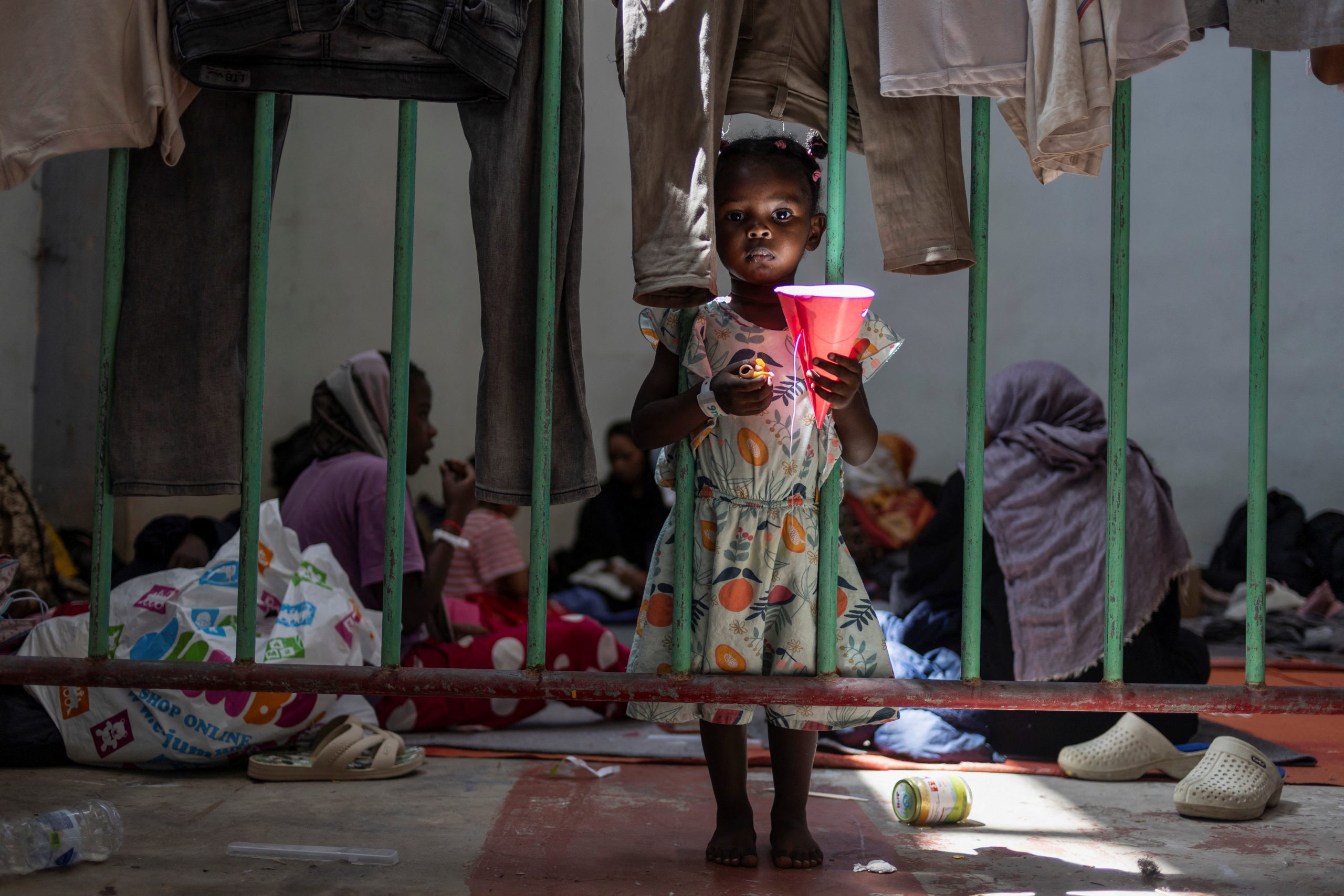
Almost 24 hours after their arrival in Crete, the Greek authorities arrested her husband and transferred her and her child to a detention center.
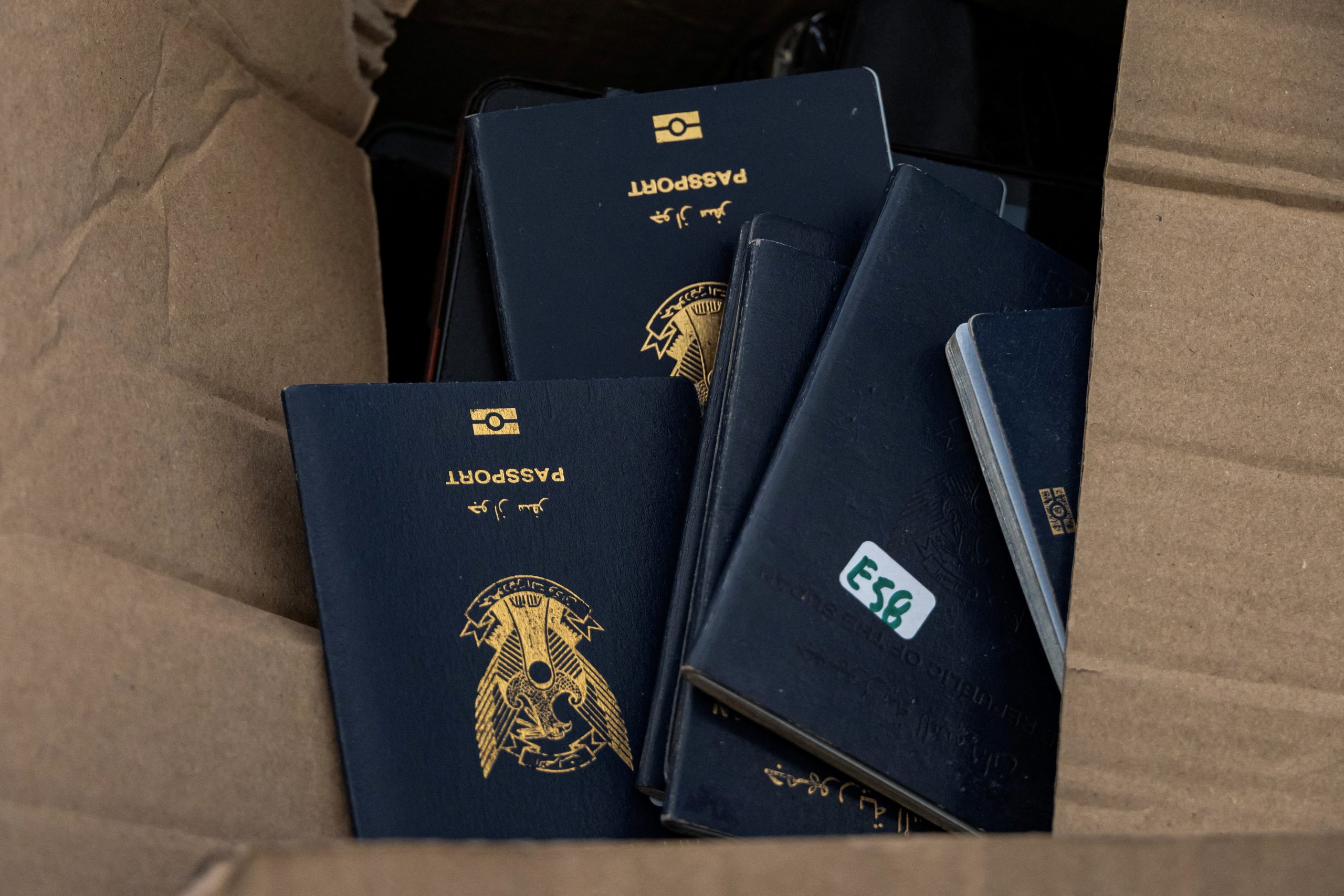
“Twenty days passed without me knowing where he was. One day he called and told me he was being held in Athens. Although I tried to visit him four times with our child, we were not allowed to see him because I did not have our marriage certificate with me. I had left it in Sudan,” S.A. continues.
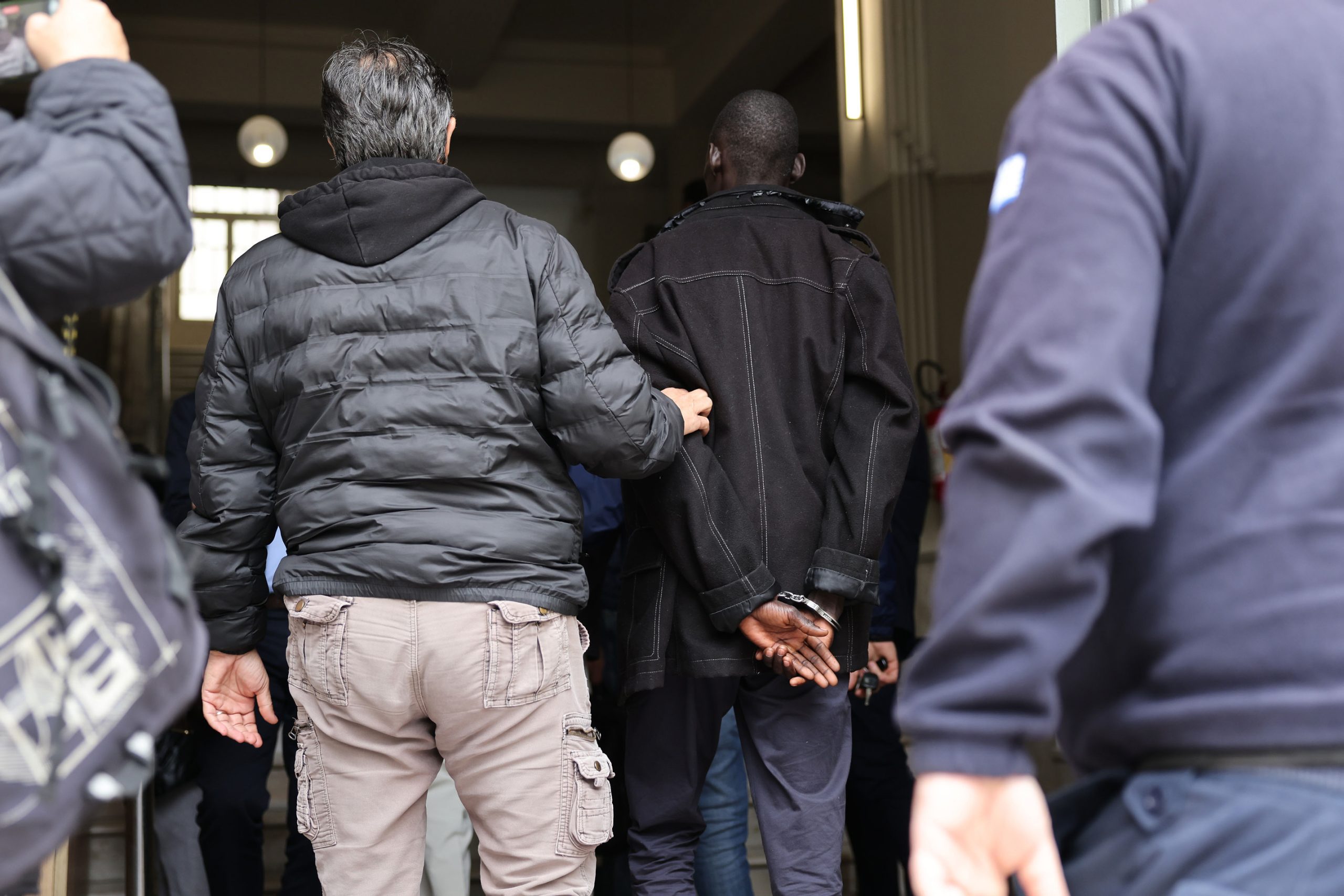
Her husband was brought to trial a few months later in Chania, charged with the “illegal transportation of third-country nationals.” With the help of the collective 50 out of many, she managed to attend the trial.
“The judge asked me a few questions, which I answered. I even showed him a video from the boat proving that my husband was not steering it but was looking after the baby. However, he did not seem interested.”
When she heard the sentence, S.A. says the ground disappeared beneath her feet:
“Ten years in prison.”
Her husband is now serving that sentence, alongside approximately 2,500 migrants who are detained or have been convicted on the same charge, making them one of the largest population groups in Greek prisons.
“Not everyone in prison is a smuggler. They do not take money from people. Whatever money we had, we paid to the Libyans before we left,” she stresses.
“I’ve been left helpless with a baby. It’s as if all three of us were imprisoned,” she concludes.


 What is fyi.news?