What is fyi.news?
- We don’t have enough data
- In the car
- In medical research
- In diagnosis
- In technology
- In the office
- In protective equipment
- In the city
- Where does this lead us?
- Sources


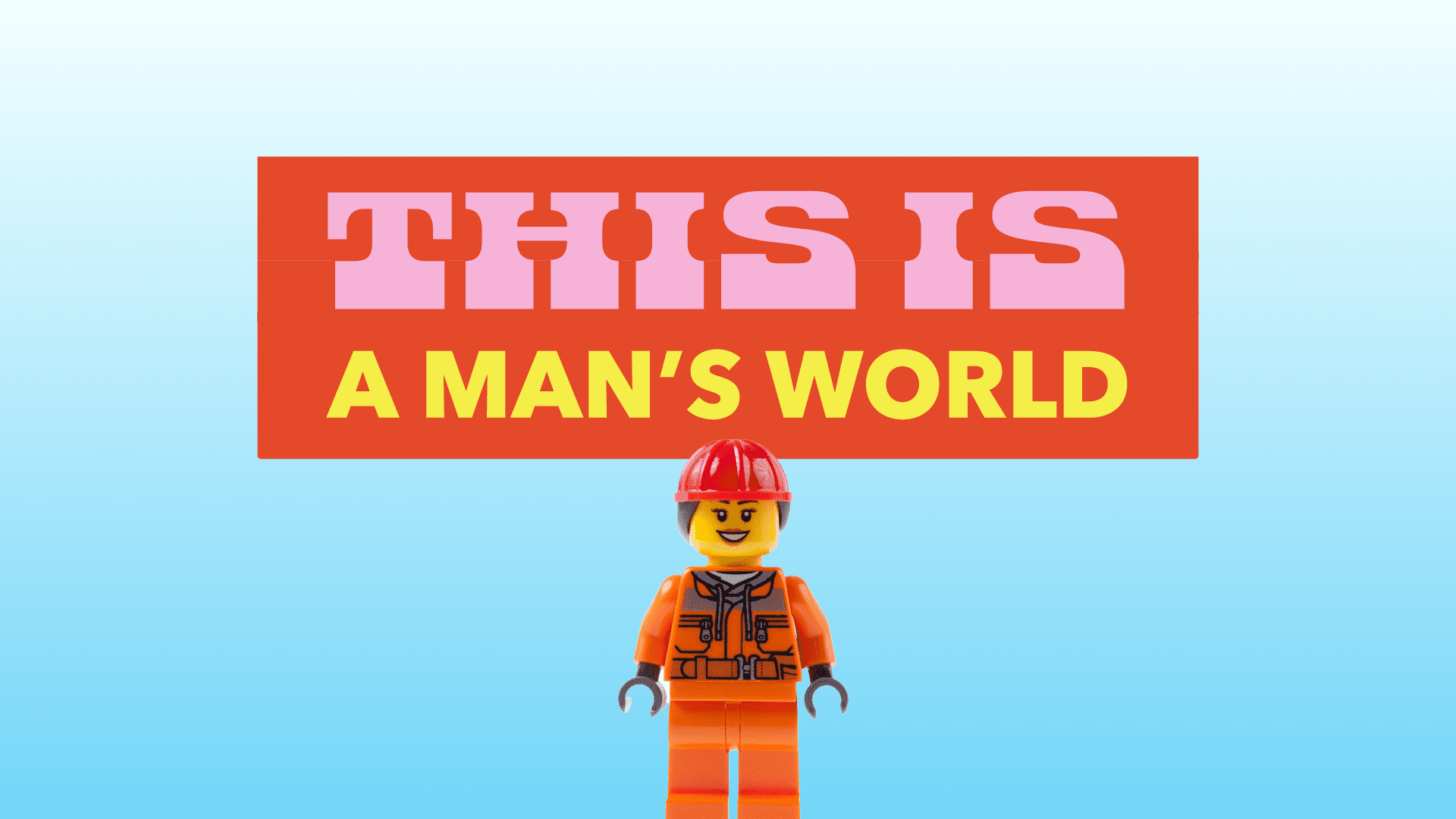

Today we celebrate International Women’s Day (08.03) in a world that has largely been designed for -and by- men.
Systematically, less data is collected about women’s lives, experiences, and needs. This phenomenon is known as the gender data gap.
As a result, the average man is almost always used as the standard (“default male” prototype), for example in medical research, product design, and even urban planning.
 (fyiteam)
For more than 50 years, crash tests* have used dummies based on the body dimensions of the average man of the 1970s.
As a result, women are 73% more likely to suffer serious injuries in car accidents, largely due to differences in average body size and shape.
Only in 2025 did the United States introduce THOR-05F, a female crash-test dummy designed for a “better assessment of injury risk”, following similar initiatives in Australia and Sweden.
*Crash tests: vehicle collision tests used to develop safety features.
Findings about diseases and medications are often derived from studies on men and then applied to women, even though women make up about half of the world’s population and have different biological characteristics.
Moreover, research on conditions that primarily or exclusively affect women—such as menopause, endometriosis, migraines, and chronic fatigue syndrome—is underfunded relative to their burden, according to a 2023 analysis published in “Nature”.
For the same diseases, women often experience different symptoms.
For example, during a heart attack, the most common symptom for everyone is chest pain, but women are more likely to also experience shortness of breath, nausea/vomiting, or jaw pain.
Women presenting milder or atypical symptoms were less likely to be diagnosed with cardiovascular disease because their symptoms were often misinterpreted as gastrointestinal issues or anxiety, according to researchers in a 2024 issue of “Cureus”.
Automatic speech recognition systems often perform worse with female voices.
For example, OpenAI’s “Whisper”, in its base version, showed a higher word error rate for women (11.69%) than for men (9.07%).
Why? These models are trained on disproportionately large datasets of male voices, making them less reliable at recognizing the higher frequencies typical of female speech.
Women often feel colder in offices, and this is not random: they do not feel comfortable at the same temperatures as men.
The difference becomes more pronounced in summer, when cooling systems are intensified. In one U.S. study, only 24% of temperature complaints came from men, while women were three times more likely to report feeling cold.
Out of 16,791 tweets about cold offices in the U.S. (2010–2019), 66% were posted by women (34% by men), even though women accounted for 55% of the app’s users in the country.
 (fyiteam)
Personal protective equipment (PPE) -such as gloves, masks, and uniforms- has traditionally been designed around the average male body.
During the pandemic, surgical gowns were too large for four times as many women, and only 31% of women felt safe at work due to inadequate equipment, compared with 53% of men, according to NHS workers in the UK.
The study explains that ill-fitting equipment reduces women’s confidence and morale in the workplace.
 (fyiteam)
Historically, women have been underrepresented in the decisions shaping urban spaces, leading cities to overlook many of their needs.
“When gender isn’t measured, the male becomes the default,” writes Caroline Criado Perez in her book “Invisible Women” (2019).
In other words, when women’s needs are not recorded, the word “human” automatically becomes synonymous with “male,” placing the male body and male needs as the default standard.
The result? A world that is not only inconvenient -but often dangerous- for women.
So, happy International Women’s Day and -hopefully- better ones ahead.