What is fyi.news?
- Intro
- Environment
- Cotton
- Color
- Metal
- Recycling vs Timelessness
- Pay now, Gain later
- Laundry and the building site
- Closing statement
- Timeline
- Sources




 (fyiteam)
Today’s jeans vastly differ from the original work uniforms Jacob Davis and Levi Strauss crafted in 1873.
They are softer, lighter, thinner, and more elastic in comparison.
They offer comfort but have an environmental cost; their usefulness does not outweigh their climate impact.
But can we do something about it?
 (fyiteam)
The distinctive blue hue and metal fasteners are the only elements that have remained the same since the first pair of Levi’s.
The roughly 3 billion pairs of trousers currently circulating worldwide represent a significant drain on resources and energy.
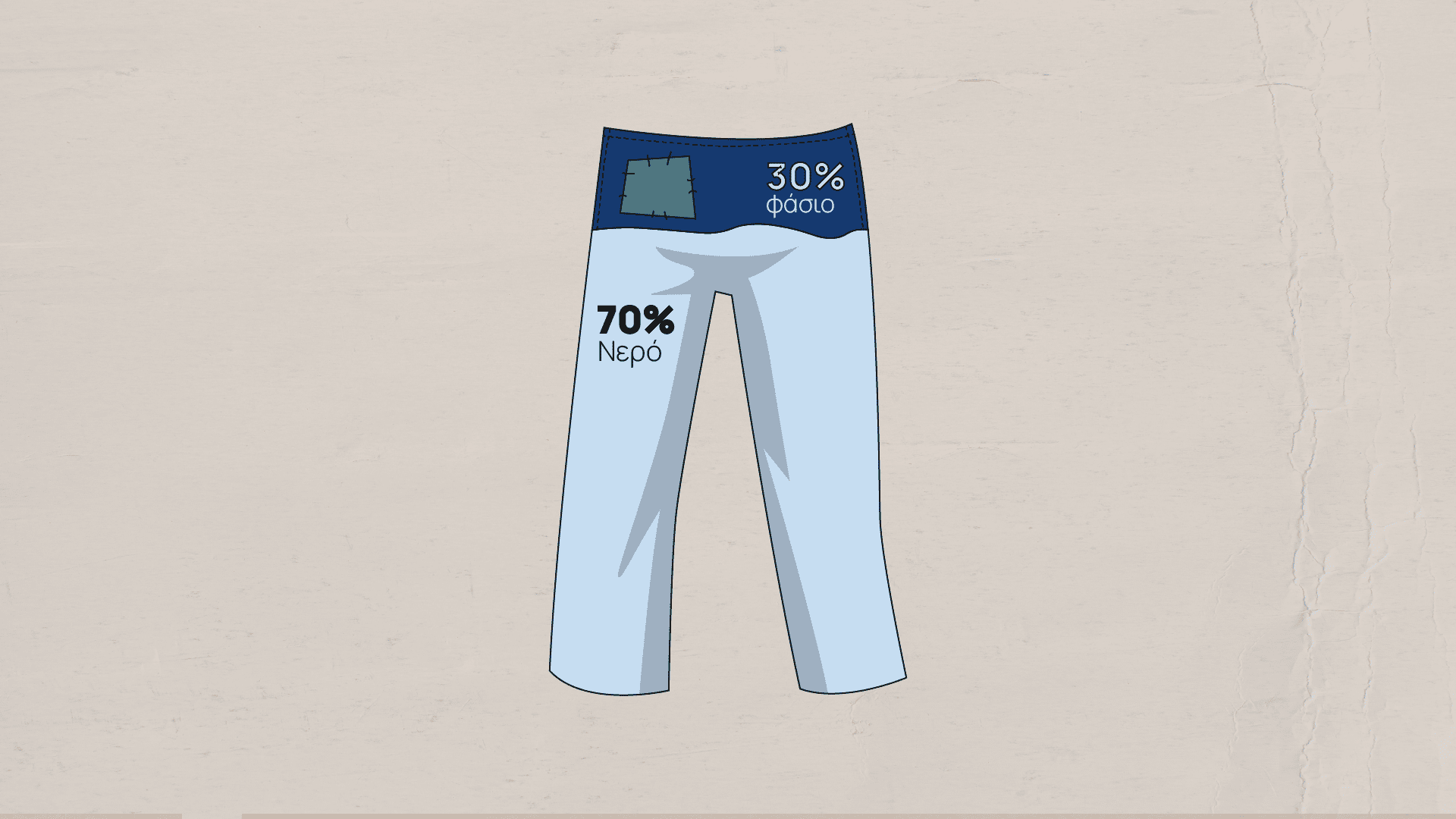
A pair of trousers requires up to 100 liters of water for dyeing, leading to unfiltered discharge into seas and rivers. Additionally, they shed microfibers during washing, and their lifespan is considerably shorter than that of older garments.
Jeans are a notable contributor to the fashion industry’s environmental footprint. This sector accounts for 8-10% of global greenhouse gas emissions and approximately 4% of solid waste in the US alone.
* a subcategory of microplastics
 (fyiteam)
Jeans crafted from 98%-100% cotton boast enhanced durability and yield a smaller climate footprint throughout manufacturing.
But not all cotton is the same…
Organic cotton cultivation emits 48% less carbon dioxide (CO2) and demands 91% less water than conventional methods.
While recycled cotton significantly reduces the climate footprint, jeans containing a high proportion of recycled cotton may compromise strength and durability.
Jeans crafted from 98%-100% cotton might feel stiffer, yet they offer superior durability and are environmentally preferable.
*A term that describes the magnitude of an activity, a person, or a country’s impact on climate change.
 (fyiteam)
To attain its classic blue hue, denim undergoes a soaking process in around eight buckets of water, followed by a high-energy-consuming method like sandblasting or water blasting to achieve the desired frayed appearance.
These dyeing and redyeing techniques emit more gases than the cotton-growing process needed to produce a pair of jeans.
The lighter the denim, the more processed it tends to be.
Approximately half of denim manufacturers are now adopting new technologies, such as laser fading, which can decrease the environmental impact of coloring and decoloring processes by up to 90%.
 (fyiteam)
Recycling jeans involves removing every piece of metal (buttons, zippers, snaps), which adds an extra energy-intensive step, essentially nullifying the recycling value.
The metal fasteners on the first jeans (then work overalls) were intended to join its different parts. Since snaps are no longer necessary, some manufacturers are replacing them with stitching.
Zips can also be replaced by buttons (which are removed in seconds), but both snaps and zippers give jeans their unique character, which is why many consumers buy them.
As a result, designers often favor them, even though it complicates the recycling process.
 (fyiteam)
Currently, there are limited options for recycling jeans, and the process is time-consuming and costly.
Nevertheless, fashion experts argue that jeans’ metallic elements contribute to their timeless appeal, extending their lifespan as consumers are inclined to keep and wear them for longer periods.
Therefore, the timeless quality of jeans serves as a counterbalance to the necessity for recycling.
 (fyiteam)
Extending the lifespan of a pair of jeans is the simplest method of diminishing environmental impact and aiding the industry’s sustainability.
While newer, higher-quality jeans may have a higher price tag, selecting such a pair and providing proper care can ultimately justify the initial investment.
When you no longer want them, these pants are more likely to find a new wearer through second-hand use than to be discarded as trash.
*Sustainability is a production standard aimed at achieving the optimal economic outcome for individuals and the natural environment, both presently and in the future.
 (fyiteam)
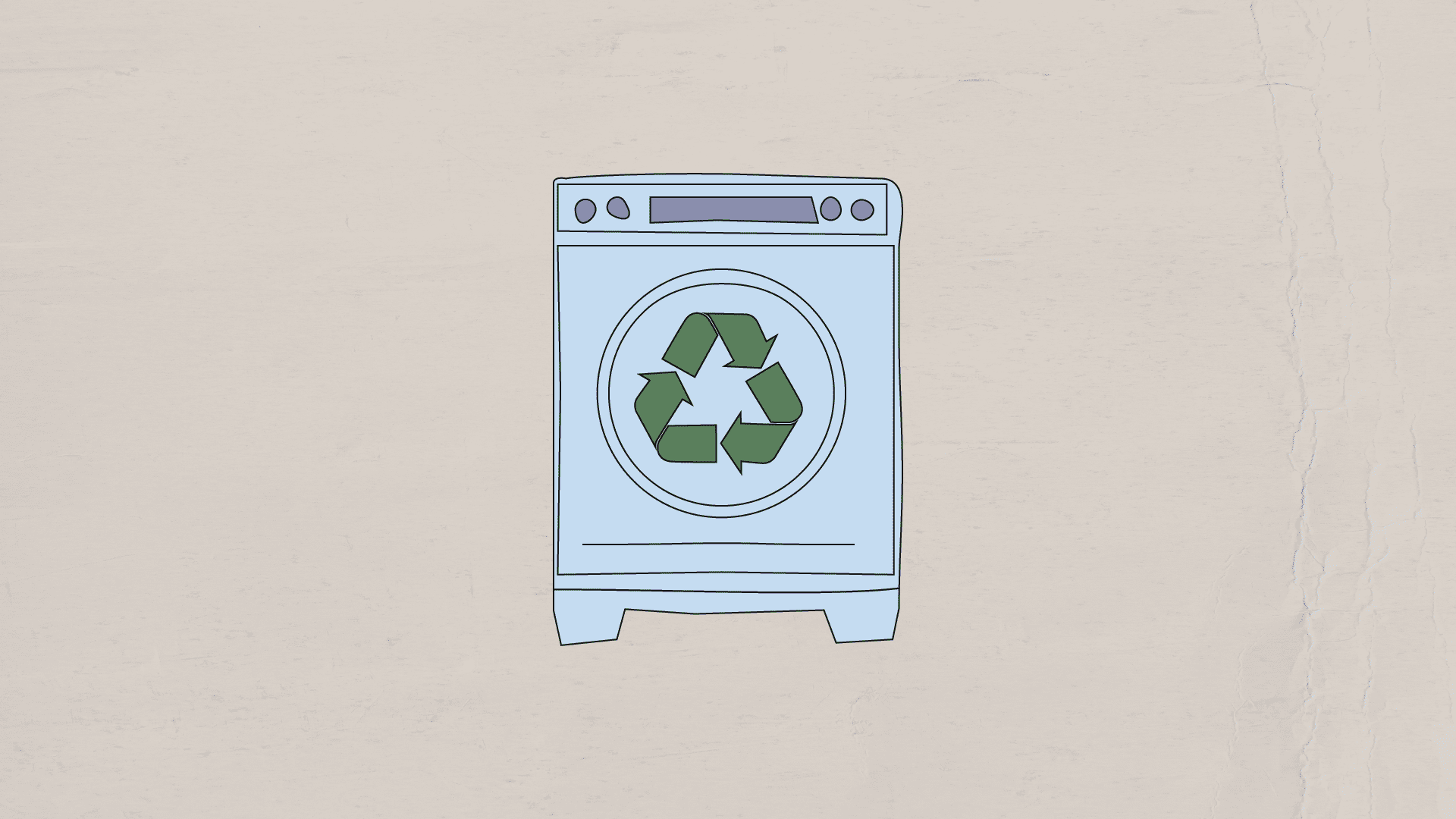
Washing jeans in a washing machine accounts for one-fourth of the water wasted and one-third of the total climate footprint attributed to a pair of jeans.
Alternative methods like hand washing lessen this impact and decrease wear and tear, ultimately prolonging the jeans’ lifespan.
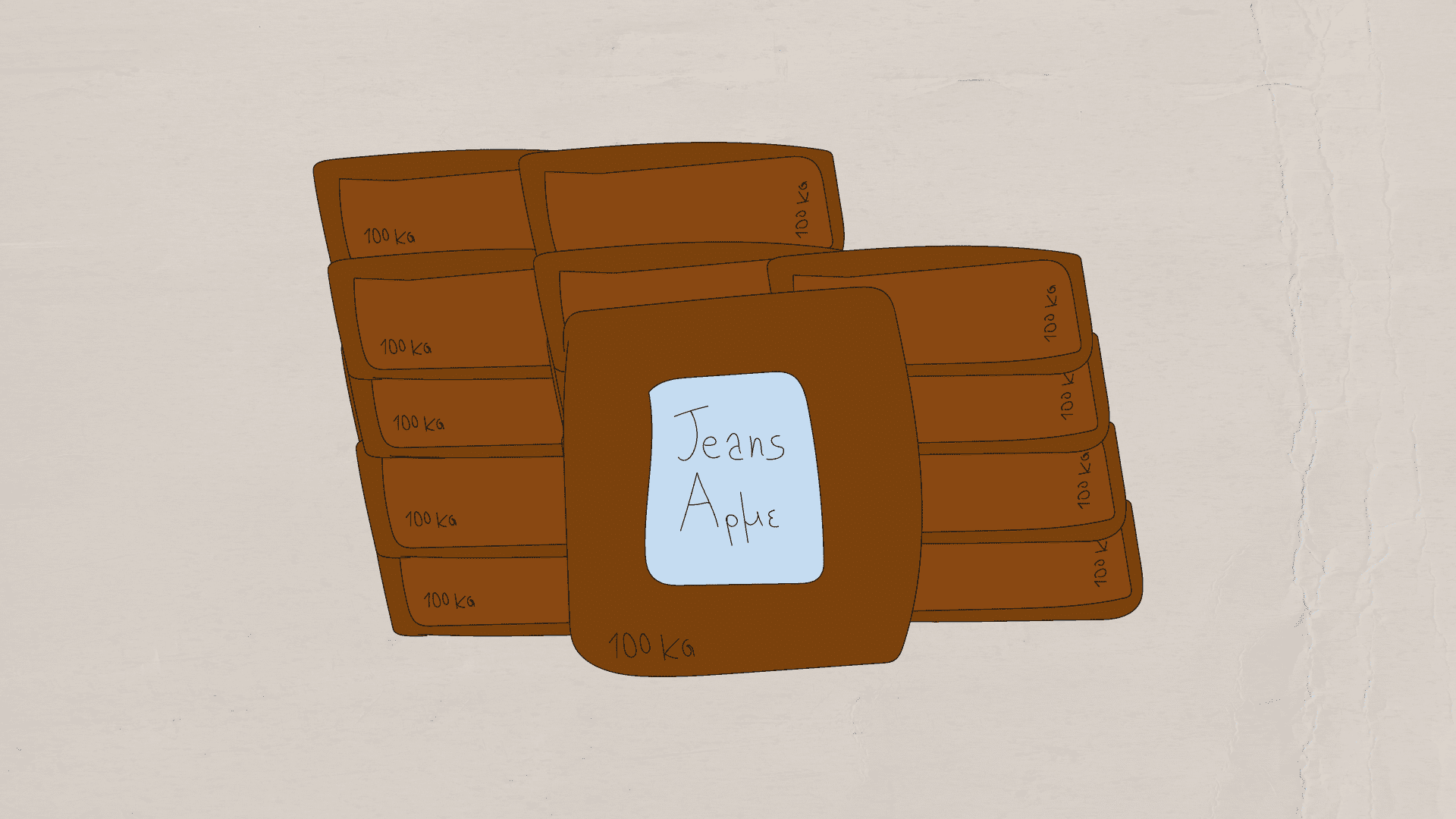
In the US, certain companies accept old jeans and repurpose them into home insulation. While this method is more environmentally friendly than simply discarding them in a bin, it doesn’t address the issue of reducing future production.
 (fyiteam)
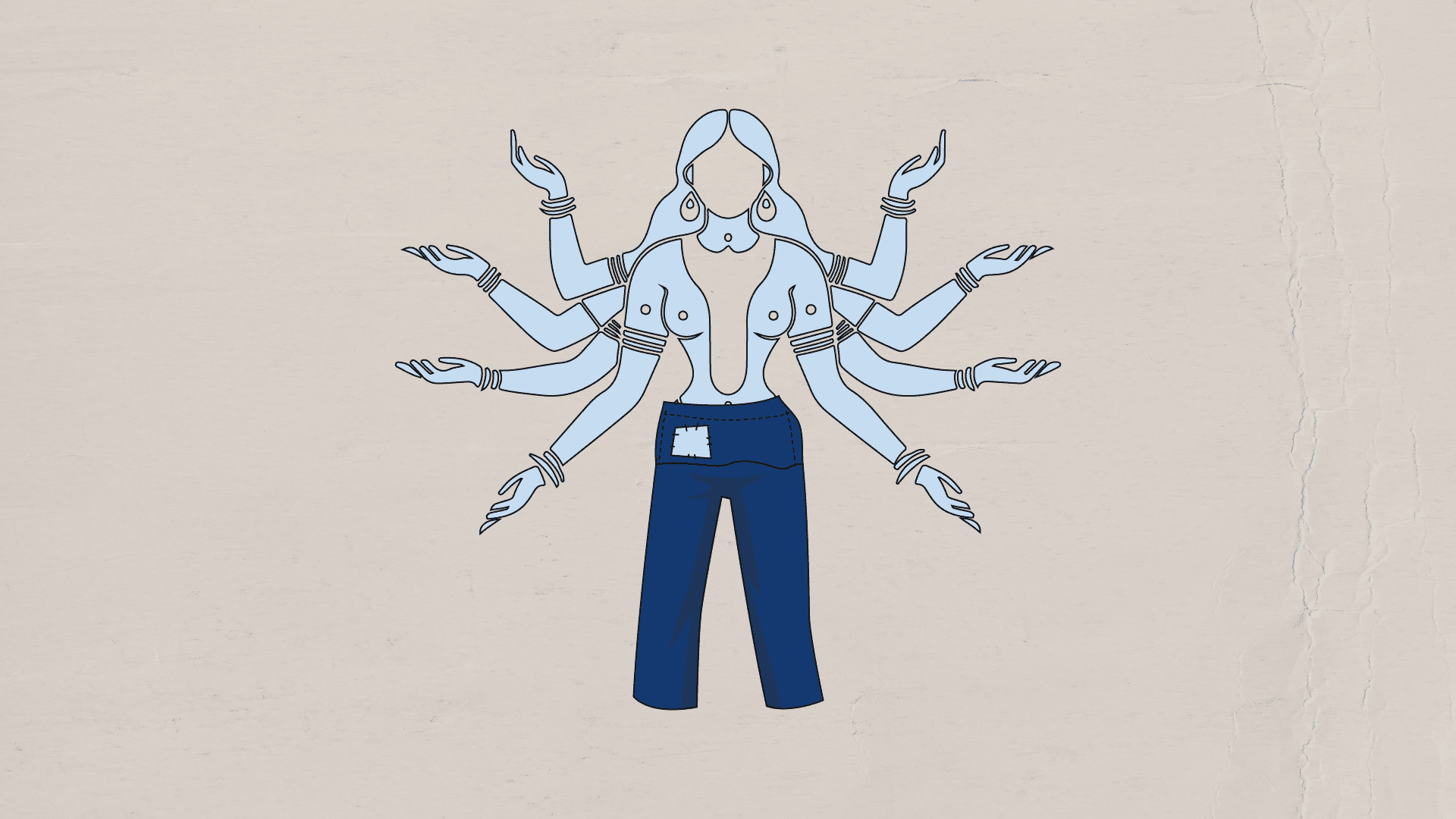
In an age where everything is designed to be disposable, let’s try and act in a way that could be sustainable.
If your jeans are worn out, consider taking them to a tailor for repair. If you’re confident you no longer want them, explore options like reselling or donating. And if you’re in the market for a new pair of pants, why not walk to the nearest second-hand store? They’re abundant these days.
And now, we all wear jeans.