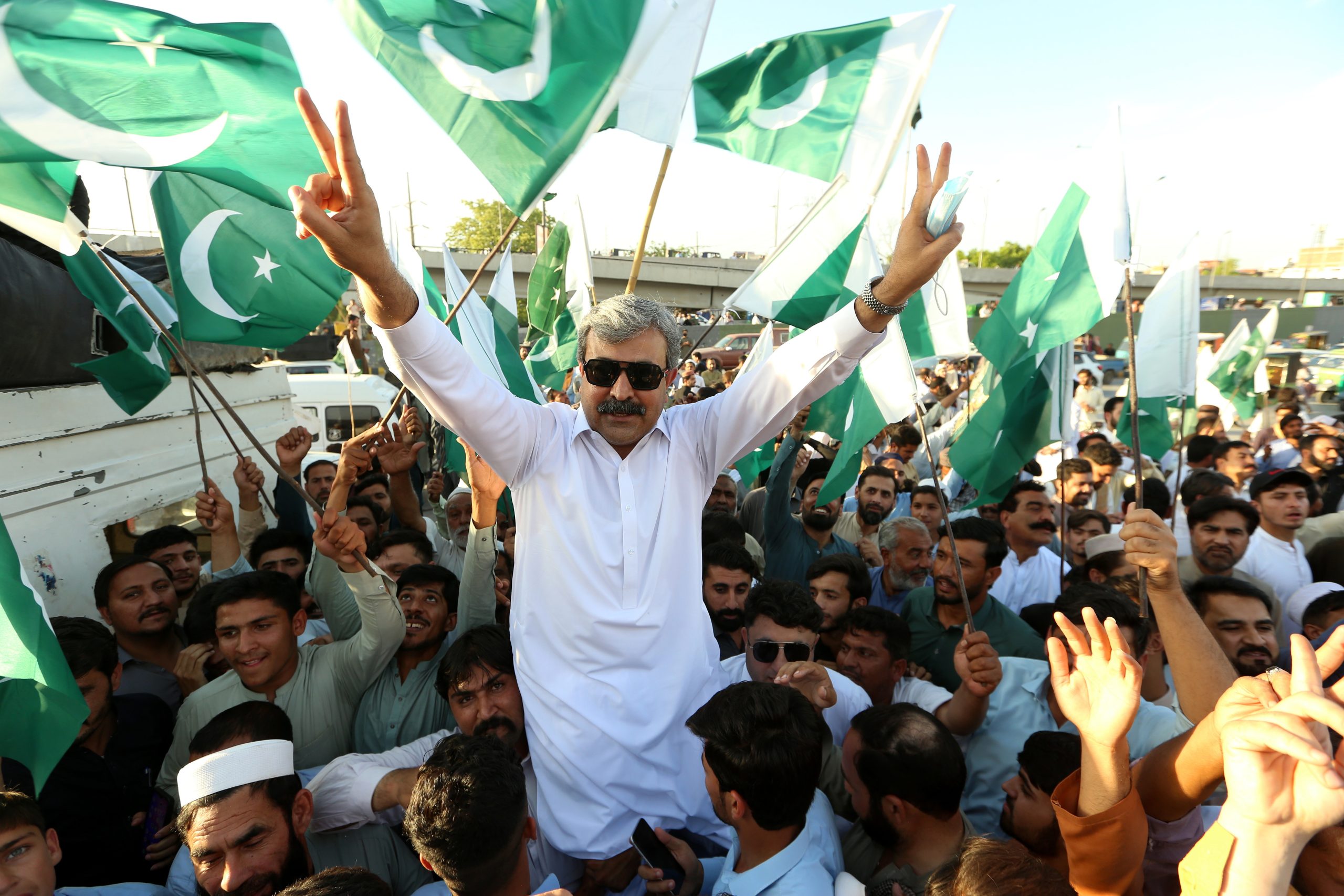
India and Pakistan agreed to a ceasefire on Saturday, after four days of deadly clashes, with U.S. mediation, temporarily easing the threat of a full-scale war between the two nuclear powers [1], [2].
Early on Sunday, both countries accused each other of violations, as gunfire resumed in Kashmir, and missiles and drones were once again launched toward Indian Kashmir. However, since then, the ceasefire appears to be holding, with each side declaring a “victory” over the other.
U.S. President Donald Trump congratulated both countries for having “the strength, wisdom, and courage to fully recognize and understand that the time had come to stop the attacks, which could have led to the death and destruction of so many people and so many things.”
In Indian Kashmir, 60% of the population is Muslim, making it the only one of India’s 28 states with a Muslim majority.
The worst India-Pakistan confrontation in nearly 30 years was triggered by an armed attack (April 22) in Indian Kashmir, which resulted in the death of 26 tourists, with India accusing Pakistan of being behind it.
After weeks of rising tension, attacks resumed on Wednesday when Indian missiles hit nine locations in Pakistan and Pakistani Kashmir, killing 31 people. India stated that the strikes targeted “terrorist infrastructure and terrorist training camps” in retaliation for the attack in Indian Kashmir.


 What is fyi.news?