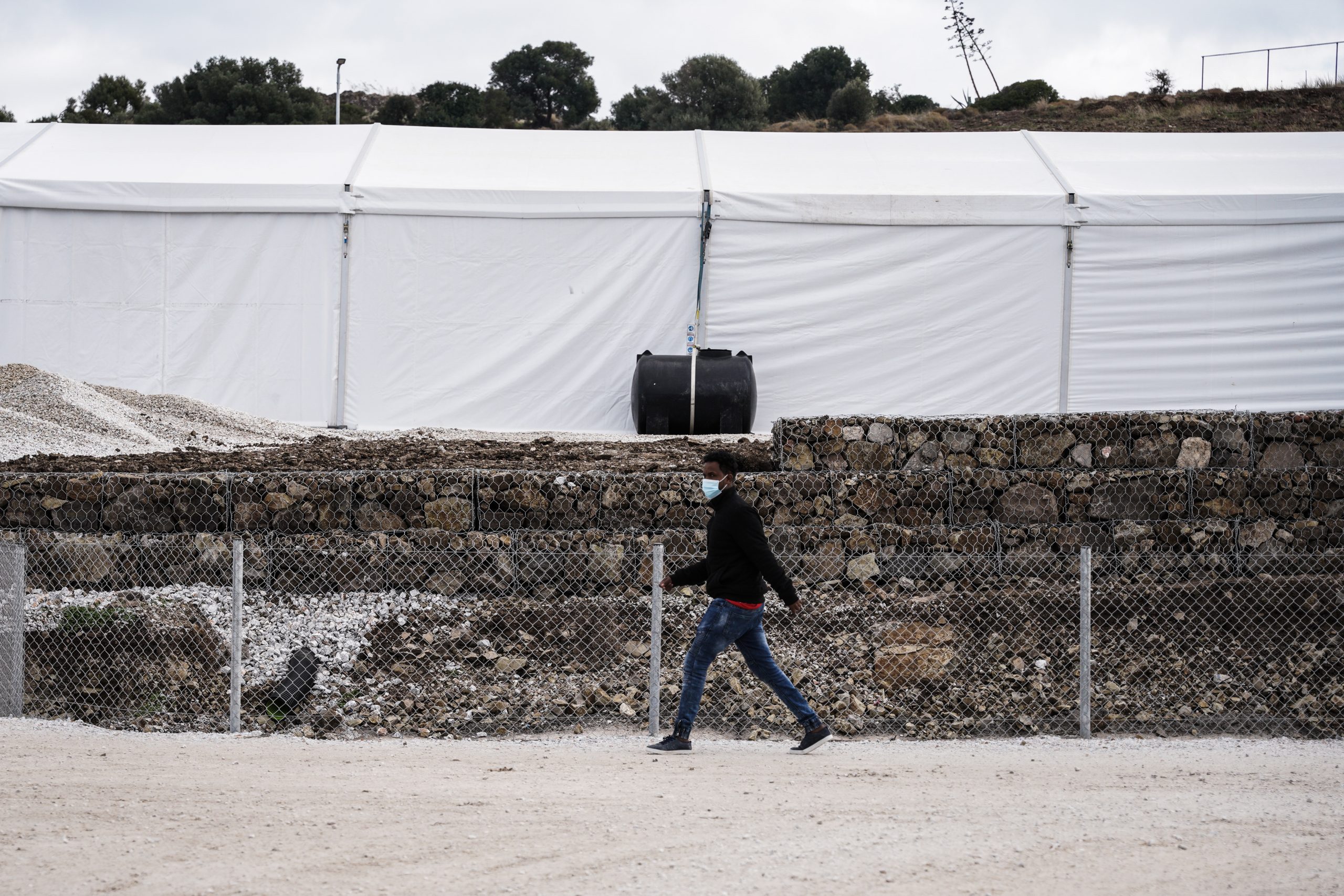
The implementation of the new European Pact on Migration and Asylum in Greece, which enters into force on July 1, 2026, is expected to cost more than €720 million over the 2026–2028 period, according to a report by the State General Accounting Office accompanying the relevant bill submitted by the Ministry of Migration, Kathimerini reports. The amount will be financed through European and national funds and reflects the scale of the new obligations Greece is assuming as a first-entry state at the EU’s external borders.
Under the new framework, Greece will be responsible from the outset for managing those who enter the country through identification procedures, security screening, and the accelerated processing of asylum applications. Applications, particularly from individuals not considered to have a strong refugee profile, will be examined within 12 weeks, while those not entitled to international protection will remain in closed or controlled facilities until their return to their countries of origin.
The EU says that the purpose of the pact is to clearly determine which country is responsible for each asylum application and to establish mandatory solidarity measures to assist member states facing disproportionate migratory pressure.
However, the implementation of the system raises significant practical concerns. The bill does not clarify how the longstanding problem of returns will be addressed, given that many countries of origin refuse to readmit their nationals. Based on current data, around 20,000 people per year could remain stranded in closed facilities at the borders.
At the same time, the geography of arrivals has shifted. While migration flows to the islands of the North Aegean have declined, Crete and Gavdos are now experiencing the greatest pressure, despite still lacking adequate reception facilities.
Source: Kathimerini


 What is fyi.news?