(fyiteam)

The Brazilian footballers who “betrayed” their roots

Add your Headline Text Here
@fyinews team

30/10/2026

Copy link
fyi:
  • The Brazilian footballers who “betrayed” their roots
  • Rivaldo, Giovanni, Dani Alves and Neymar openly backed Bolsonaro
  • The contradiction
  • The far right weaponizes crime
  • Young men who aspire to wealth
  • Those who backed Lula
  • Sources

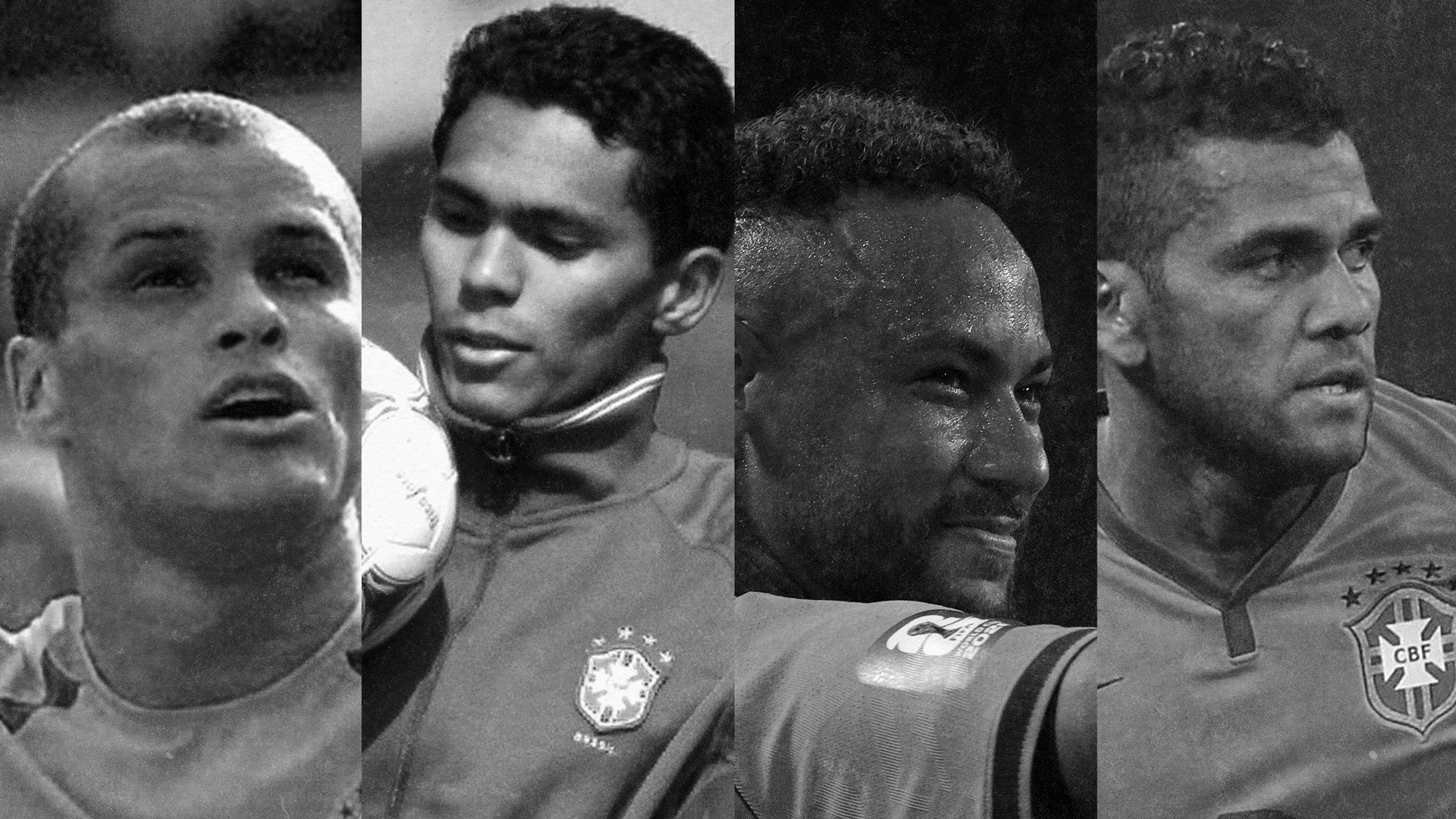
Rivaldo, Giovani, Dani Alves and Neymar publicly backed Bolsonaro

REUTERS/EPA/fyiteam)

Rivaldo, Giovanni, Dani Alves and Neymar openly backed Bolsonaro

The support of Black former Brazilian footballers for far-right politician Flavio Bolsonaro was one of the talking points of Brazil’s election, which Lula ultimately won.

The controversy stems from the fact that both Flavio Bolsonaro and his father have made racist remarks and opposed policies aimed at supporting poorer communities.

What makes this particularly striking is that many of these footballers, including Rivaldo, Giovanni, Neymar and Dani Alves, come from poor backgrounds themselves.

The contradiction

Among other things:

In 2023, Flavio Bolsonaro opposed quotas aimed at increasing access to public universities for Black, mixed-race, Indigenous and other groups, describing them as a “form of apartheid.”

In 2024, he criticized policies designed to protect vulnerable racial groups during the devastating floods in southern Brazil.

His father, Jair Bolsonaro, said in 2018 that poor people were only useful for voting and had proposed “birth control” measures — effectively, sterilization.

So why do they support him?

The far right weaponizes crime

In countries with high poverty rates, the far right appeals to poorer communities by promising to reduce unemployment and crime.

As a result, poorer communities may identify with millionaire footballers, believing they share similar concerns about issues such as crime.

Brazil, in particular, has high crime rates. In 2017, for example, the country recorded a record 63,880 homicides.

Young men who aspire to wealth

A significant portion of Bolsonaro’s voter base also consists of disillusioned young men in urban areas who aspire to become entrepreneurs or influencers.

A central tenet of Bolsonaro’s political ideology is that individuals are solely responsible for their own destiny.

Despite their backgrounds, these footballers therefore identify more closely with this individualistic worldview than with left-wing ideology, which prioritizes collective interests over individualism.

The religion

The Evangelical Church in Brazil has grown significantly since the 1980s, with Evangelical Christians now making up nearly one-third of the country’s population.

During his presidency (2019–2023), Jair Bolsonaro forged close ties with the Evangelical Church and its influential leaders, largely because of their shared ultraconservative views. This helped him build a strong electoral base among its followers.

*Jair Bolsonaro is Catholic, while his son Flavio is Evangelical.

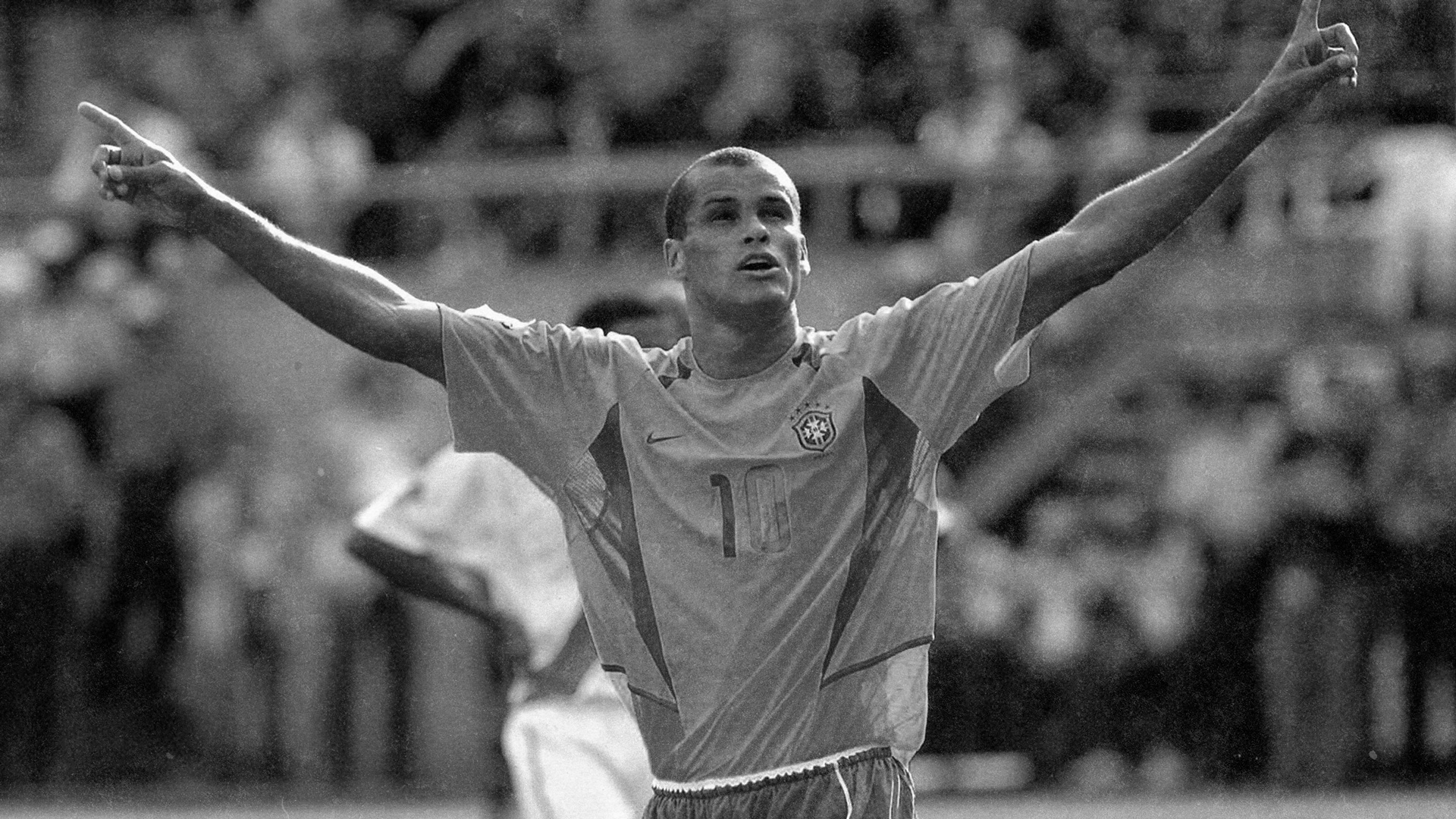
Rivaldo

(EPA/fyiteam)

Rivaldo was a staunch supporter of Jair Bolsonaro and also backed his son in the most recent election.

He grew up in extreme poverty, suffered from malnutrition and lost several teeth at a young age. When he became a professional footballer and began earning money, he reportedly used some of his first earnings to fix his teeth.

Rivaldo won the Ballon d’Or in 1999 and the World Cup with Brazil in 2002. He also played in Greece for Olympiacos and AEK Athens.

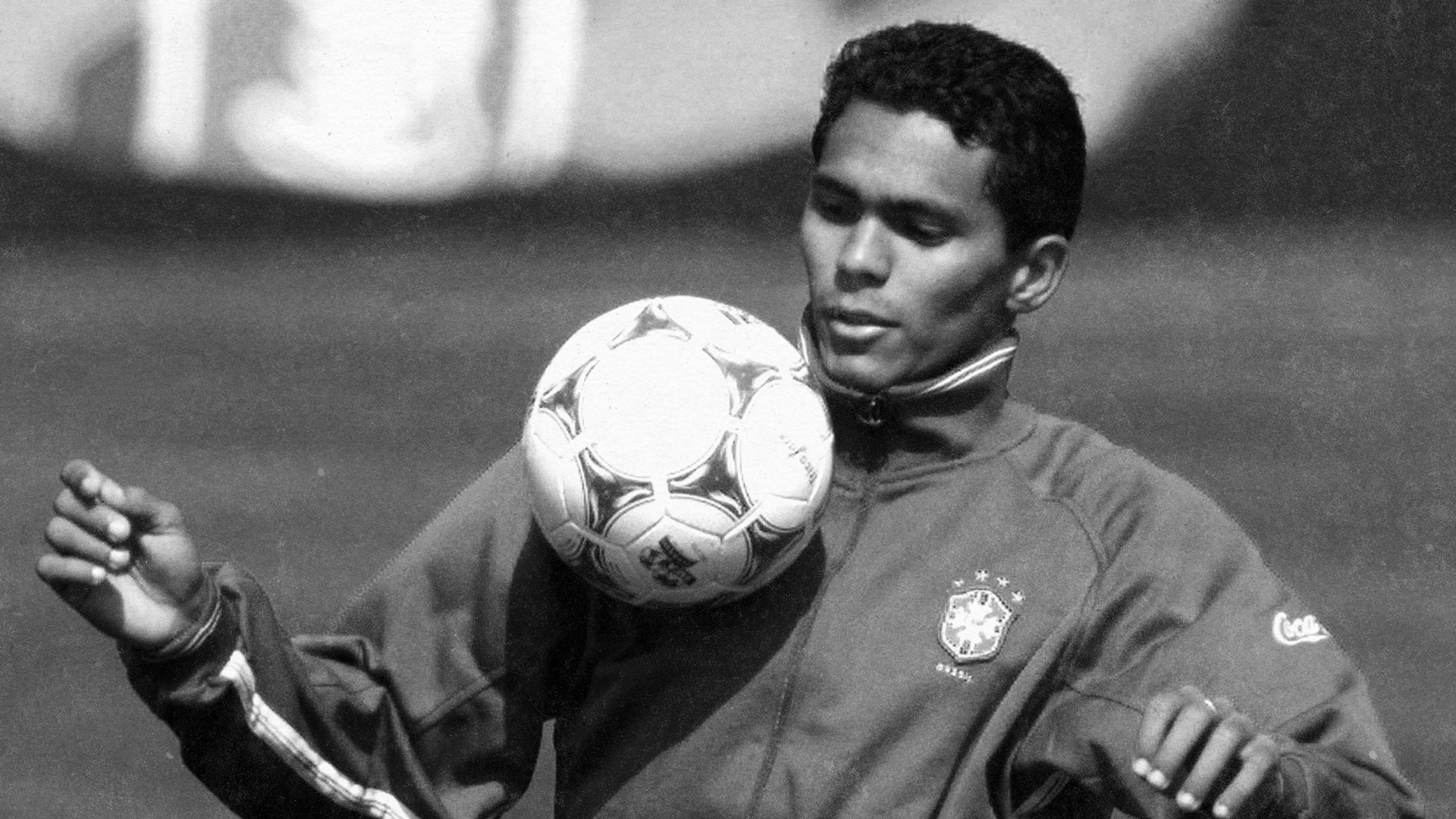
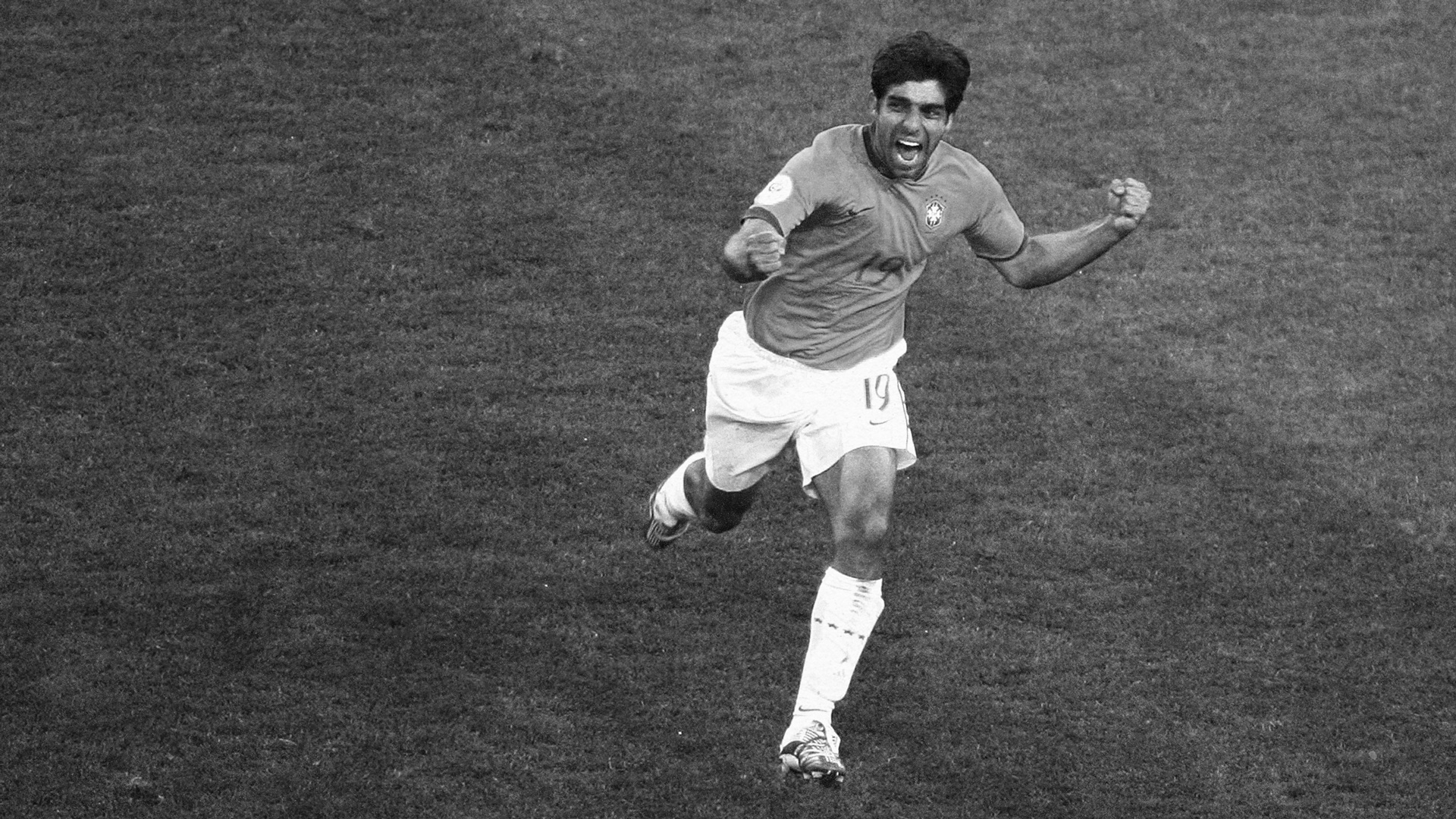
Giovanni

(REUTERS/fyiteam)

In his autobiography and interviews, he has spoken about growing up in poverty and seeing football as a way out.

Later in life, he turned to religion and embraced Evangelical Christianity.

He is widely regarded as one of the greatest players to have played for Olympiacos and in Greek football.


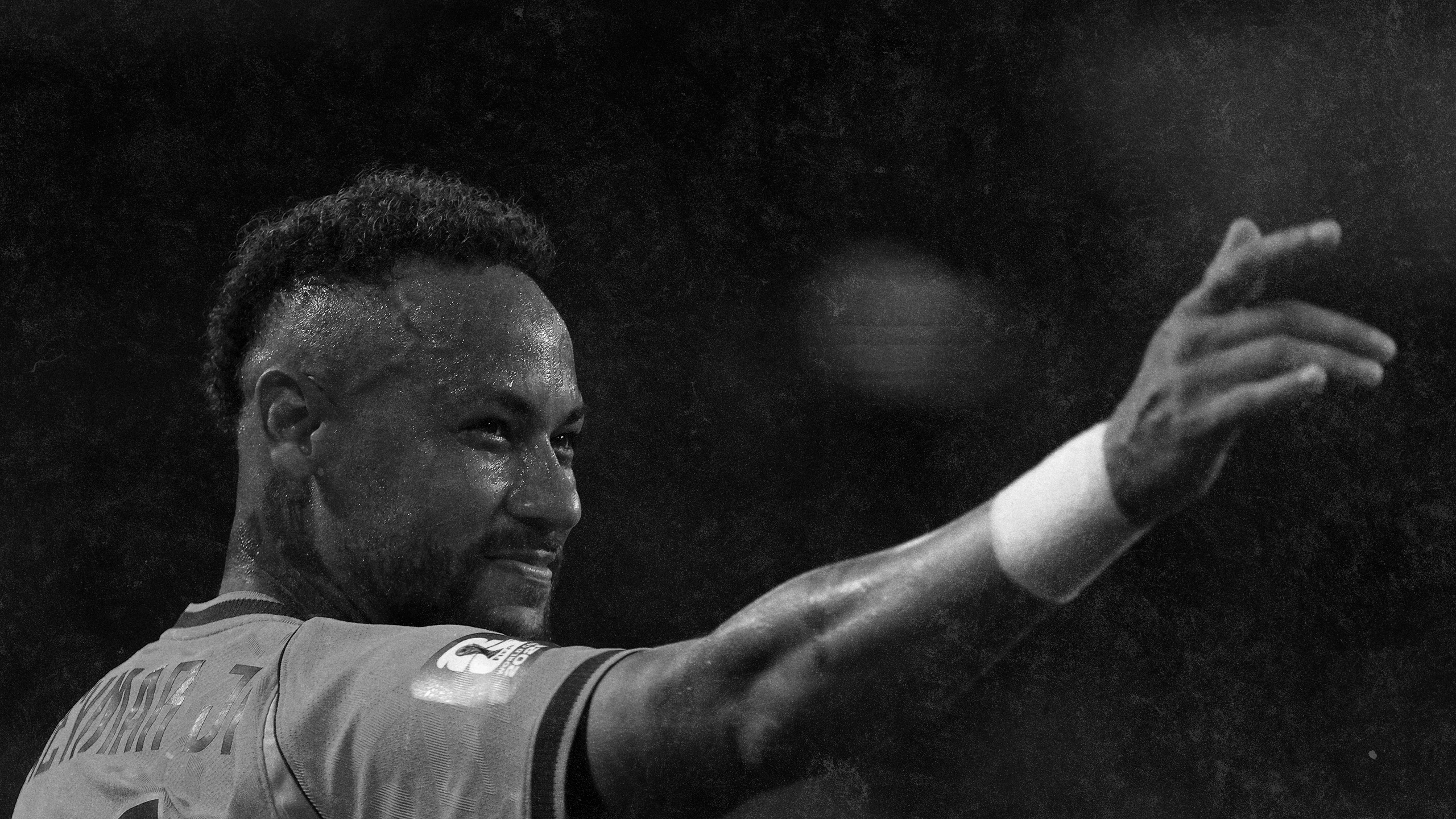
Neymar

(REUTERS/fyiteam)

Neymar also grew up in poverty, but once he became a millionaire, he began flaunting his wealth.

This may partly explain his affinity for Bolsonaro, whose voter base admires the success of footballers like Neymar.

For years, he was regarded as one of the world’s best footballers, particularly during his time at Barcelona.

Dani Alves

(REUTERS/fyiteam)

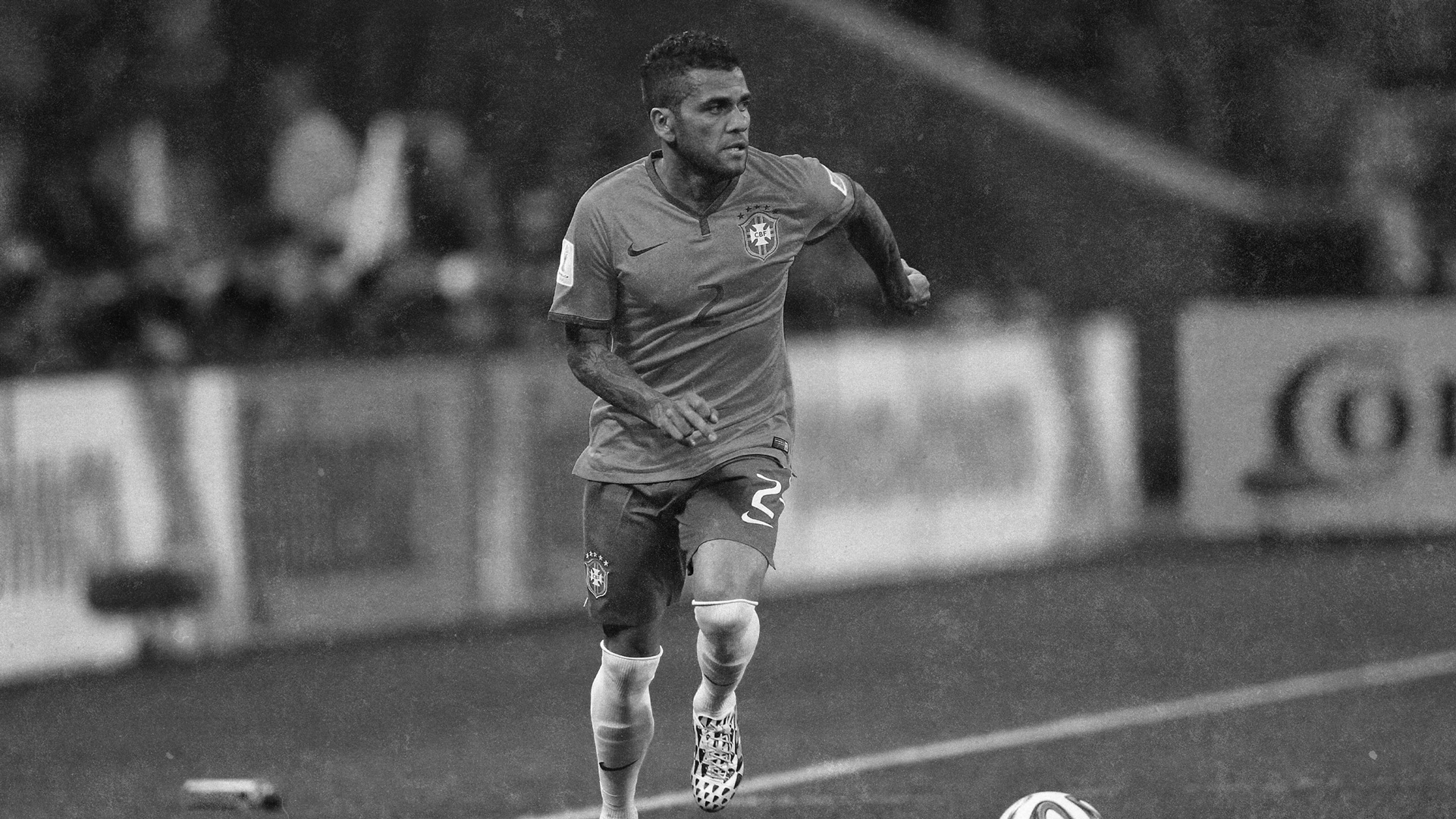
He grew up in Salitre, one of the country’s most deprived and neglected areas, yet supported both Jair Bolsonaro and his son.

Following his release from prison, after initially being convicted of raping a 23-year-old woman, he became an Evangelical preacher and posted a video in which he said, “The Holy Spirit whispered the name Bolsonaro to me.”

He made his name at Sevilla before joining Barcelona, where he won six league titles and three Champions League titles.

Those who backed Lula

(REUTERS/fyiteam)

Some footballers, however, have supported Lula, either directly or indirectly, including Barcelona’s Raphinha and former Tottenham player Richarlison.

One of Lula’s most prominent supporters is Juninho Pernambucano, a former footballer who made his name at Lyon and is considered one of the greatest players in the club’s history.

He once said:

“It makes me furious to see footballers supporting the right. We come from working-class backgrounds and grew up among ordinary people. How can we side with the other camp?”


Sources

Guardian [1], [2], [3]

Reuters

El Diario

Voa

BBC

AD(1024x768)