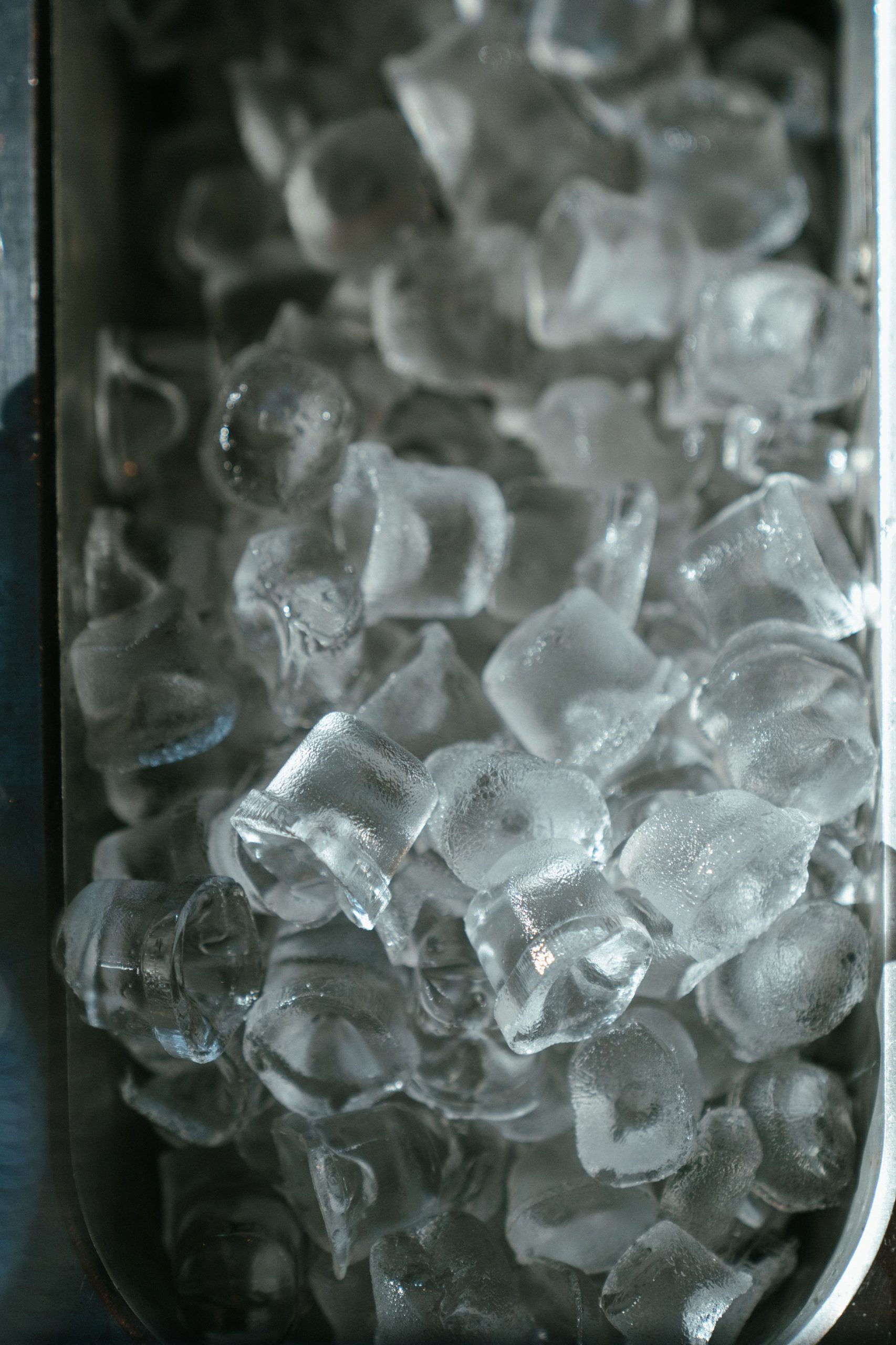
The ice that ends up in coffees, alcoholic drinks and soft drinks is not always as safe as it is assumed to be. According to a 2025 analysis featured in a report by *Kathimerini*, nearly 22.5% of ice samples tested from hotel units in Greece showed microbiological problems.
In total, 965 ice samples from hotels across the country were analysed. According to the announcement by the scientific committee, the hotels generally apply preventive hygiene measures. Of these samples, 216 — or 22.38% — showed microbiological deviations. Even more concerning, E. coli or enterococci were detected in 129 samples, representing 13.37% of the total — microorganisms that should not be present in edible ice.
Experts recommend that ice machines be disinfected by a certified maintenance technician every four months.
Their presence is linked to a potential health risk, as E. coli can cause gastrointestinal infections, diarrhoea, vomiting, fever and, more rarely, serious complications in vulnerable groups. Enterococci are also associated with urinary tract infections and other infections.
Inadequate maintenance of ice machines is emerging as a key contributing factor. The constant moisture inside them encourages the growth of mould and biofilm — a slimy layer in which pathogenic microbes can survive and be transferred to ice cubes. Legislation requires a cleaning and disinfection programme for ice machines, while experts recommend sanitary maintenance by a certified technician at least every four months.
Source: Kathimerini


 What is fyi.news?