Victoras Antonopoulos

Srebrenica’s “silence” never faded

Add your Headline Text Here
@fyinews team

28/08/2026

Copy link
fyi:
  1. Ratko Mladić died yesterday at the age of 84. He was the “architect” of the genocide of nearly 8,000 Bosnian Muslims in Srebrenica in July 1995, a town that until then had been regarded as one of Yugoslavia’s top tourist destinations.
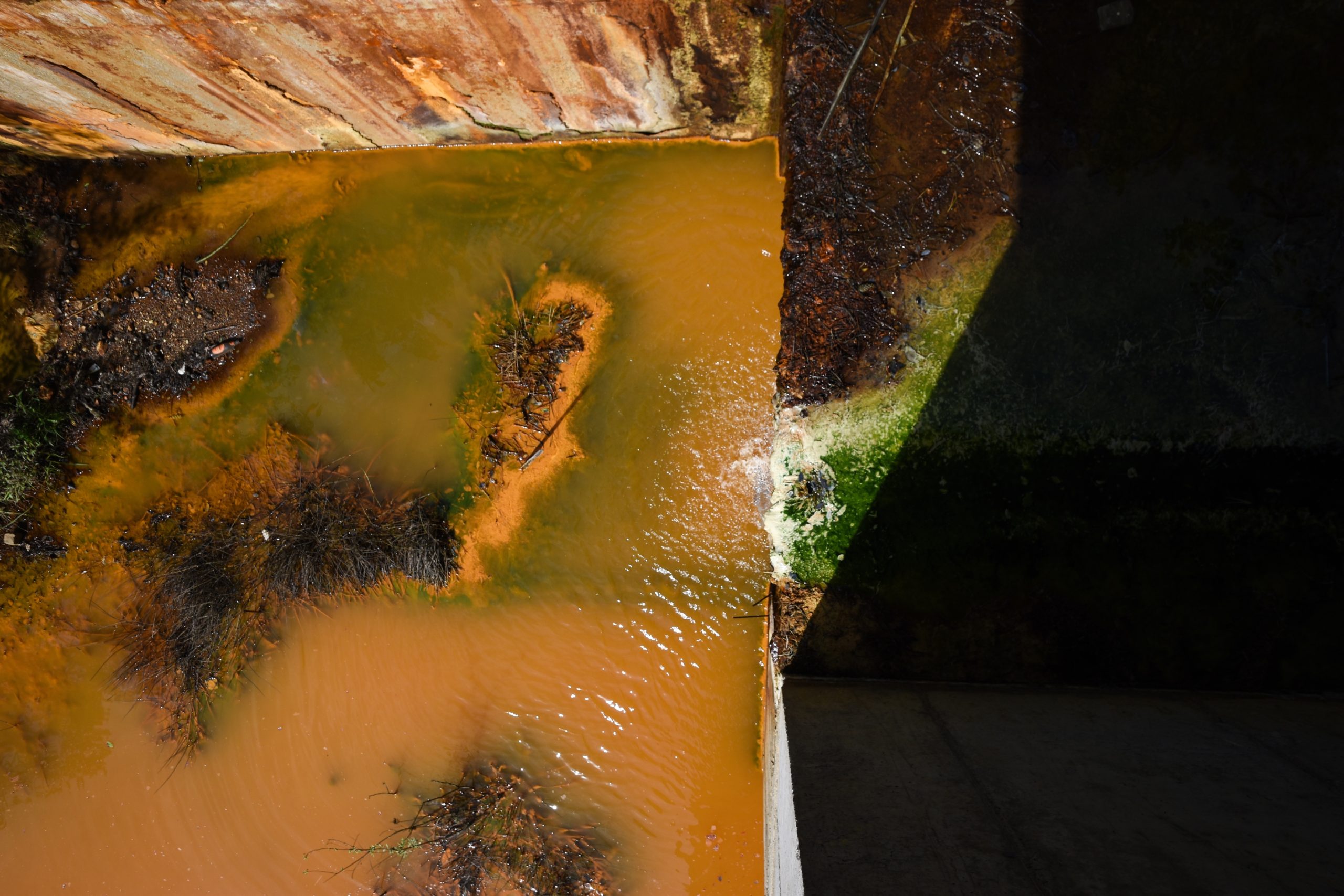
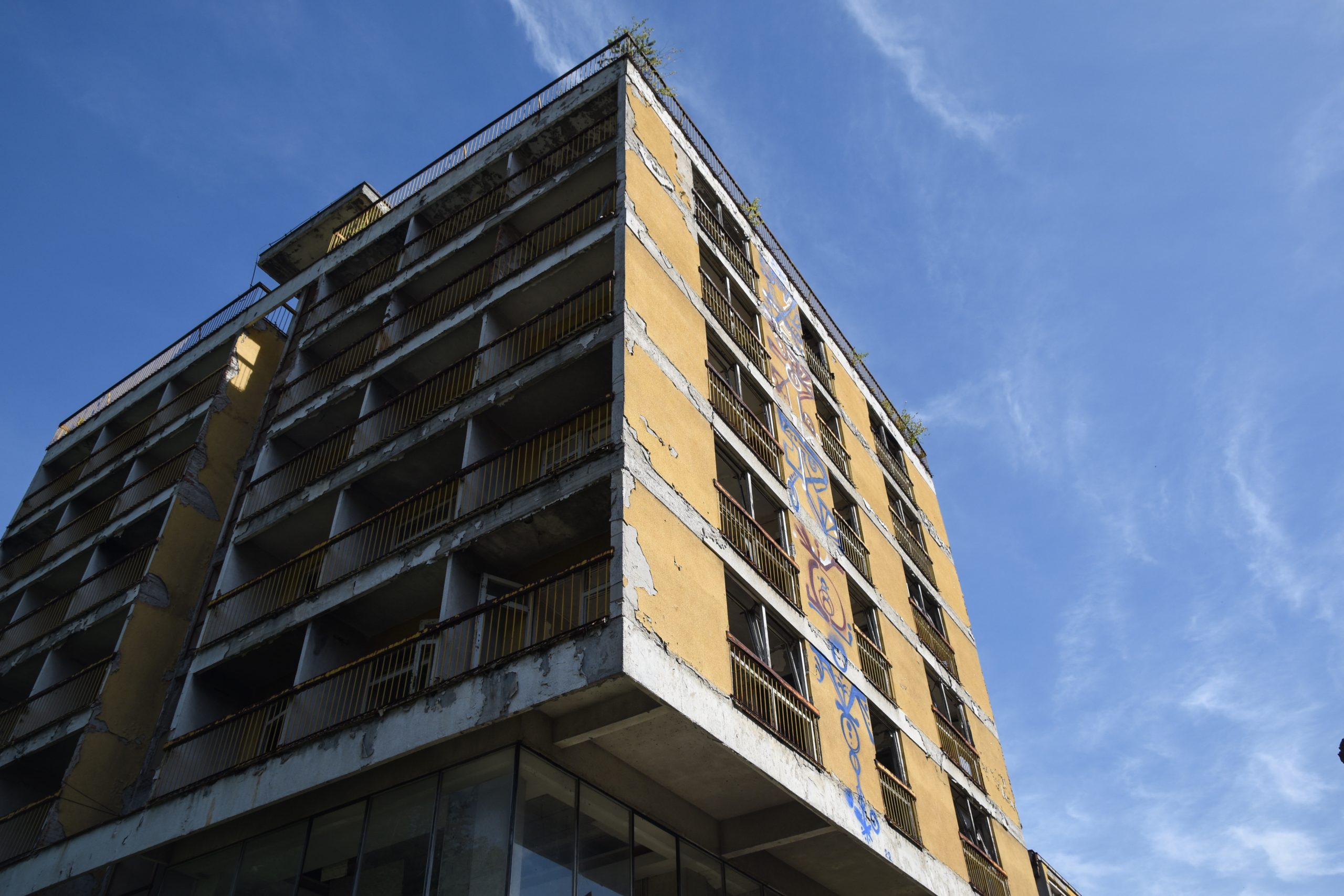
  2. Since then, bullets have remained lodged in the walls of its buildings. Where thermal springs once flowed, there are now polluted orange waters. And one thing dominates the town: a deafening silence.
  3. Victoras Antonopoulos visited Srebrenica in September 2022 and, following Mladić’s death, looks back on his journey there.

by Victoras Antonopoulos

“Here we are, on July 11, 1995, in ‘Serbian Srebrenica’. We offer this town as a gift to the Serbian people. The moment has finally arrived. The time has finally come to take our revenge on the Turks.” (Ratko Mladić, 1942-2026)

I visited Srebrenica, in Bosnia and Herzegovina, in September 2022, as part of a journey I was making through the Balkans. From my assignments abroad, besides the testimonies I collect, I always come back with plenty of stories to tell. Serious, stressful, funny, or just stories. In Srebrenica, the aim was to come back with testimonies about the 1995 genocide. That, however, did not happen.

A few clarifications: Bosnia and Herzegovina consists of two entities: the Federation of Bosnia and Herzegovina and Republika Srpska, which is not part of Serbia. Bosniaks are Muslim, while Bosnian Serbs, or simply Serbs, are Orthodox Christians. The Srebrenica genocide was committed in July 1995 by Bosnian Serb forces against Bosnian Muslims.

(Victoras Antonopoulos)

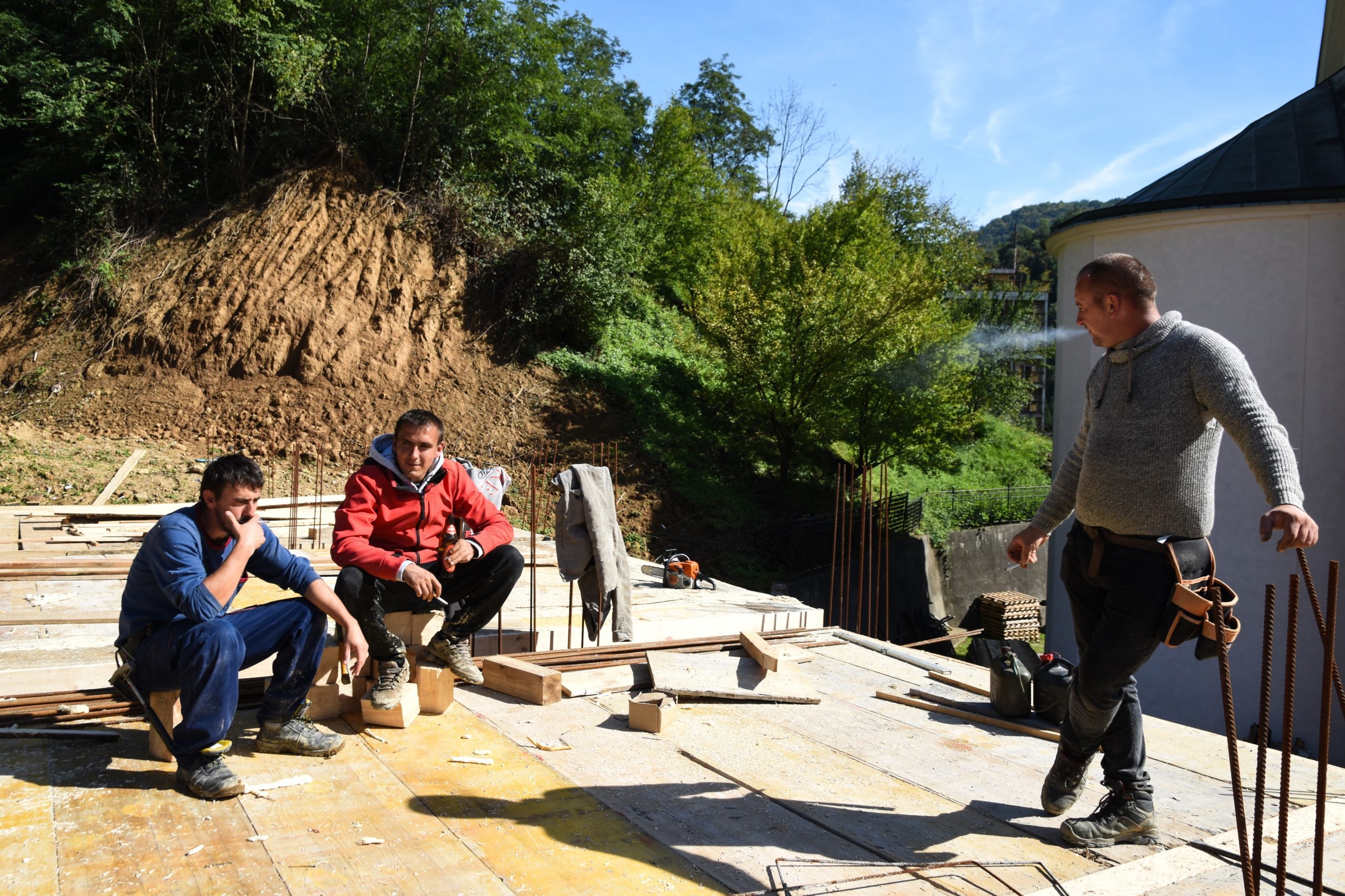
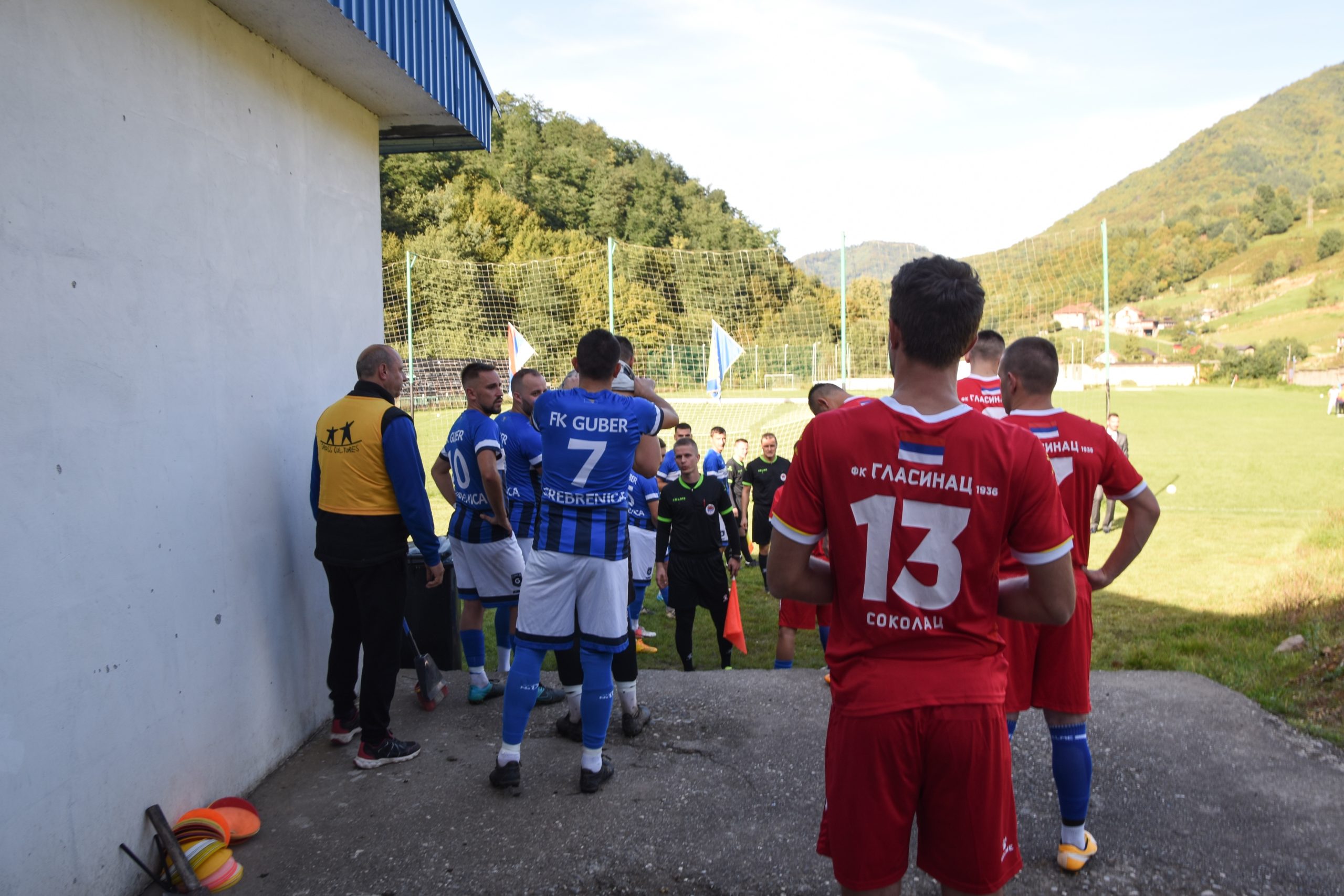
My stories from Srebrenica ended up including the Bosnian Serb workers who took us up onto the roof of a Christian church under construction so we could photograph them, while we smoked, drank and talked without sharing a common language. Then there was the angry priest who caught us as we were leaving and ordered us to delete the photos. We didn’t. And there was a football match with the local team, Guber, followed by beers with the players in the changing room.

But there were no testimonies. At least, no direct ones. Because, in reality, the testimonies were all around me.

(Victoras Antonopoulos)

In the empty streets of a town that now has just 2,000 residents, compared with 9,000 in 1991. In the bullets that were, and still are, lodged in the walls of its buildings. In the downcast eyes of the few people there. In the polluted orange waters, where there were once thermal springs.

(Victoras Antonopoulos)

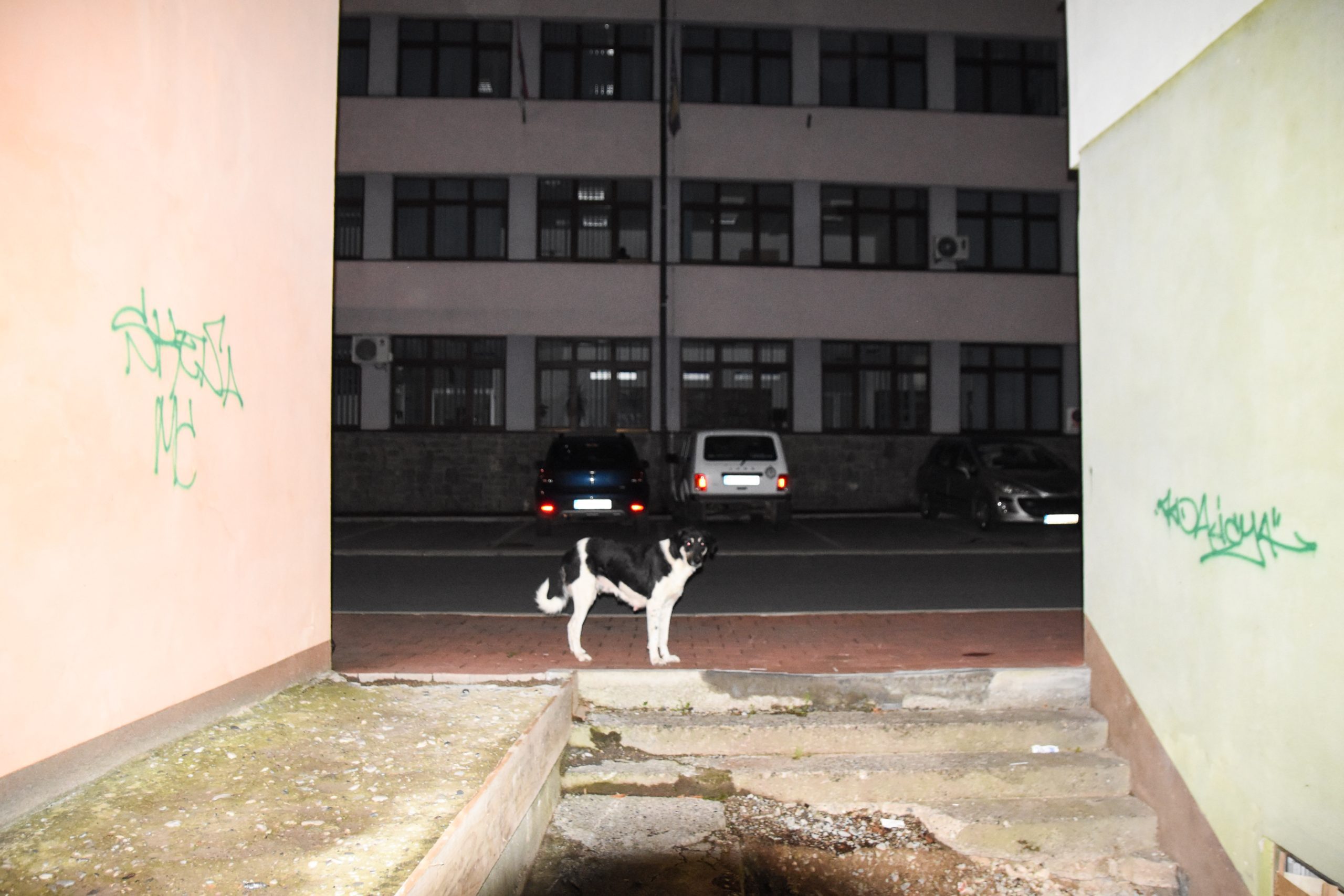
And above all, in the deafening silence that hangs over the area. A silence that gives you no peace, that makes you look from side to side, searching for a sound. Nothing can break through a silence like that. It is as if it is warning you that “something bad happened here.” That something, of course, has a name and a cause: the genocide of Bosnian Muslims in July 1995.

The architect of the Srebrenica genocide was Ratko Mladić, commander of the Bosnian Serb army that entered the area in July 1995 and killed 8,000 people. He was arrested in 2011 and convicted of war crimes and genocide in 2017. Since yesterday, he is dead.

The words that open this piece are his. The “Turks” he refers to are, of course, Bosnian Muslims. He used the term disparagingly. The “gift to the Serbian people” ultimately became a ghost town. A town that in the 1970s was presented as one of the most attractive tourist destinations in what was then Yugoslavia, but today mainly attracts those who want to dig into the horrific past of the Yugoslav wars.

(Victoras Antonopoulos)

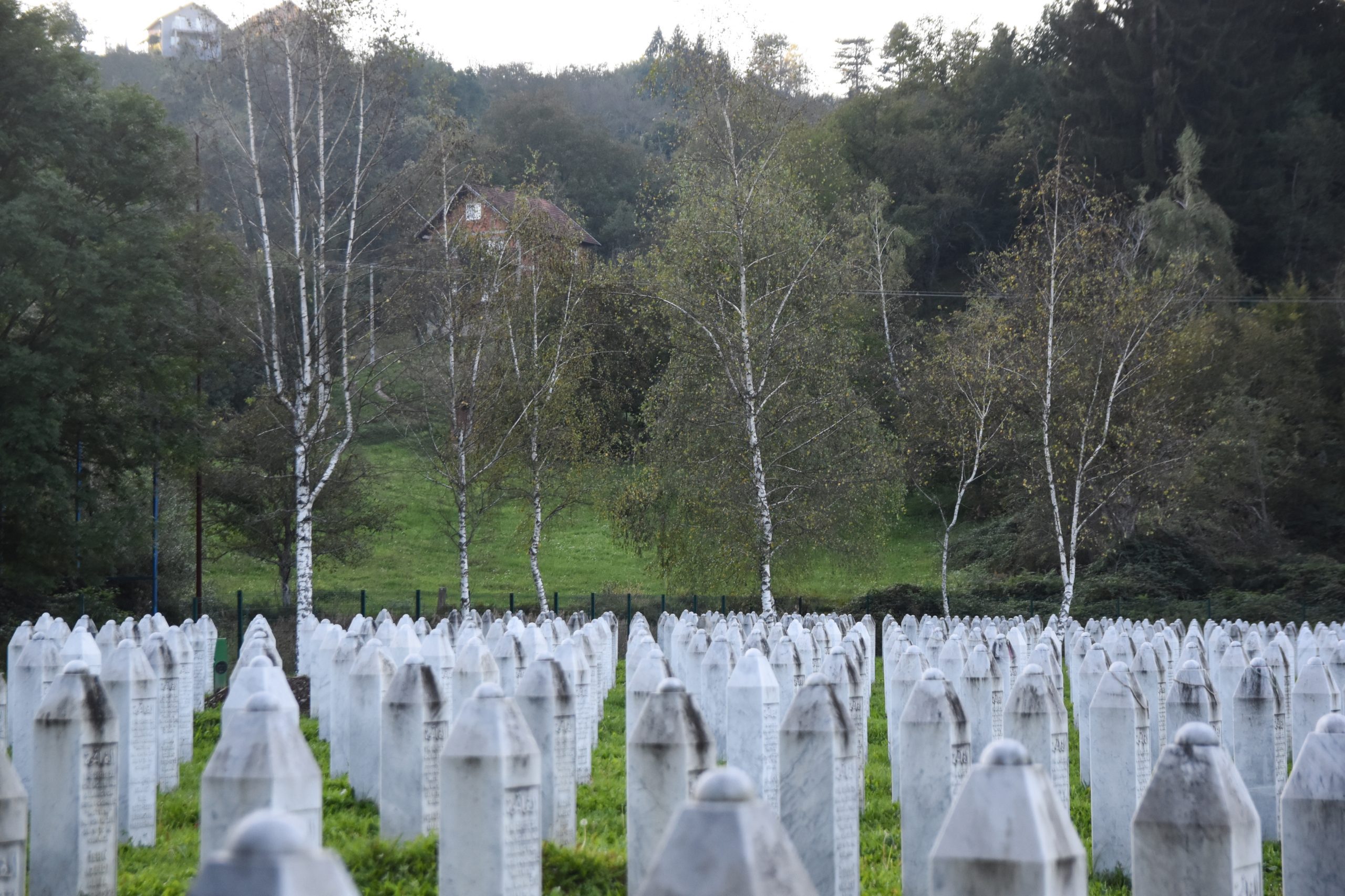
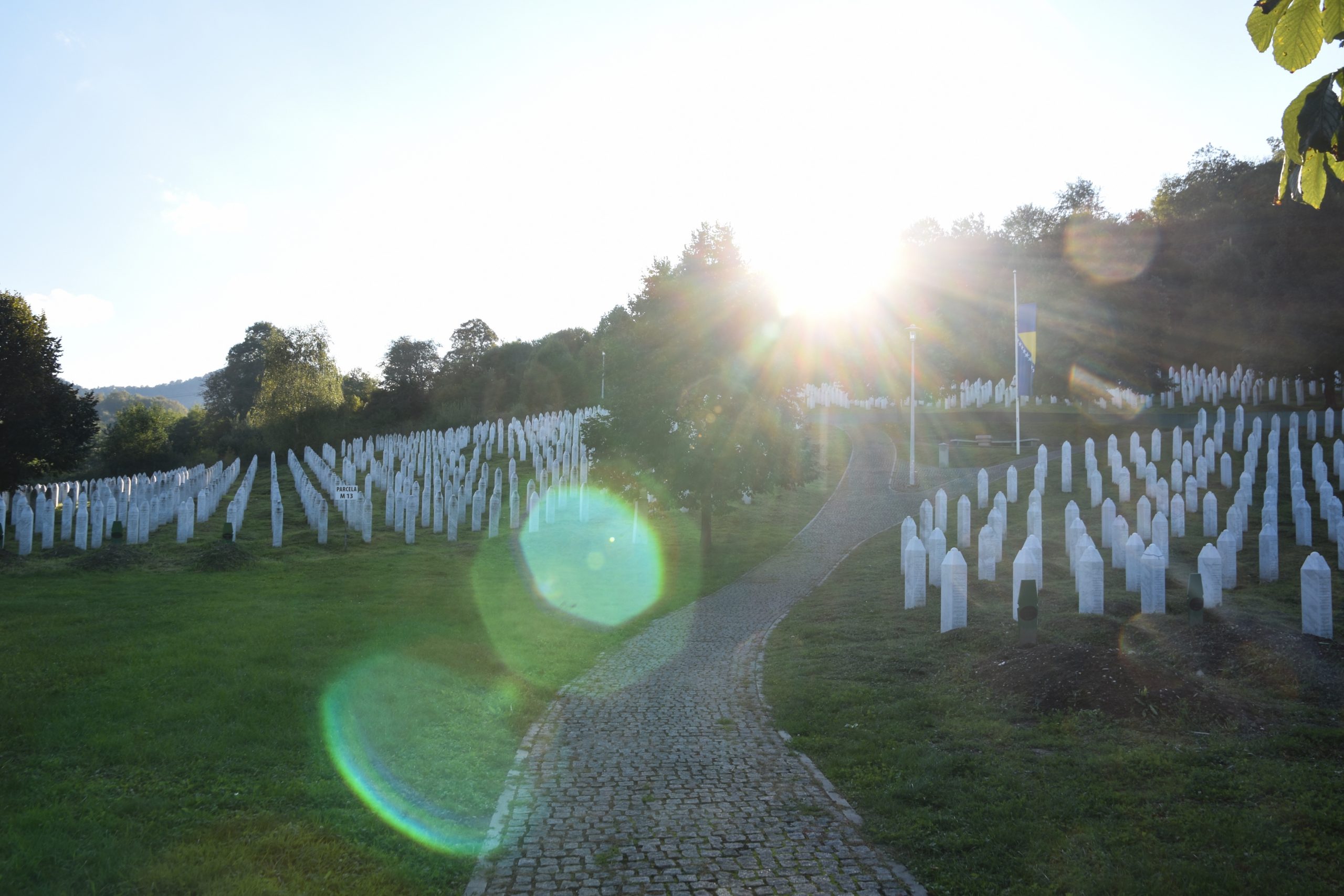
A town whose main point of reference is now the genocide memorial, where nearly 8,000 Bosnian Muslims killed by Mladić’s forces are buried.

Another thing I wanted to see for myself during my visit was how Bosnian Serbs, who are Christian, coexist with Bosnian Muslims. Historically, you would expect that coexistence to be difficult, especially when shaped by the nationalism that fuelled the Yugoslav wars, during which the genocide was committed.

That question was answered when, in my search for testimonies, I came across Srebrenica’s local football team, Guber. I was with a friend, and we managed to get “permission” to photograph a match they were playing later that day. The permission was simply a name and a signature on a piece of paper.

(Victoras Antonopoulos)

Before the match started, I looked at Guber’s shirt and spotted the Bosnian flag high up on the back. Then I looked at the other team’s shirt, Glasinac Sokolac. Serbian flag on the back. Here we go, I thought. We’re about to see some classic Balkan football: red cards, fighting, swearing, 0-0.

None of that happened. I counted just one scuffle near the end, which was settled “with the intervention of the calmer heads,” and afterwards everyone shook hands without the slightest hint of “awkwardness.” So there you have it. Even in the most difficult places, nationalism can still hit a wall.

After the match, we had beers with the Guber players. No one on the team spoke English except one player’s brother, who was given the thankless job of translating. “The same thing happened to me recently at a Roma celebration in Moldova, with my very limited French,” I told him, and he laughed. Maybe that never happened, but I find it hard to imagine that I wouldn’t have shared that particular piece of information with him.

At some point, and this definitely did happen, I asked him whether everyone on the team was Bosnian Muslim.

“No,” he said. “My brother and I are Bosnian Serbs. The team is made up of Serbs and Bosniaks.”

“And what’s that coexistence like?” I asked.

“Just fine. It’s only the media that say we don’t get along as peoples. We have nothing to fight over.”

(Victoras Antonopoulos)

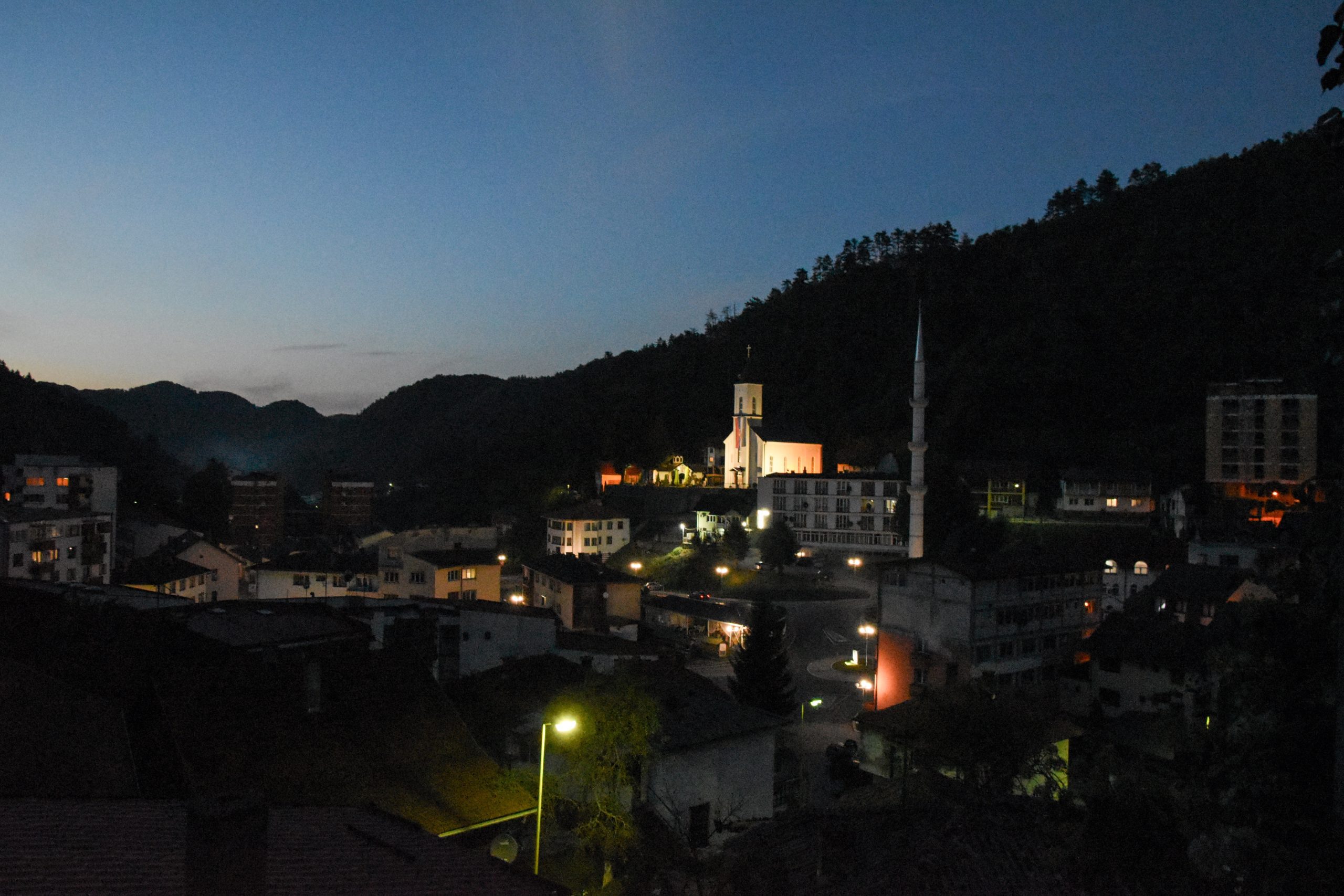
That coexistence is also visible in the two places of worship facing each other: the mosque, where Bosnian Muslims worship, and the Christian church, where Serbs worship.

In reality, I didn’t expect anything different. That’s the Balkans. Everyone loves and hates everyone else. An enemy can become a friend and a friend an enemy in seconds. It’s like Schrödinger’s cat, which, until you open the box, is both dead and alive. And if you leave a group of Balkan people in a room and close the door, when you open it again, you’ll either find them drunk, singing with their arms around each other, or arguing over whose nationalism is stronger.

In the case of Srebrenica, of course, we are not talking about friends or enemies. Bosniaks and Serbs had always lived there. It was nationalism that created enemies on both sides. The nationalism of the presidents of the three main players in the Yugoslav wars: Serbia’s Slobodan Milošević, Bosnia and Herzegovina’s Alija Izetbegović and Croatia’s Franjo Tuđman. And the willing representatives of this poisonous ideology, such as Mladić, which divides peoples into friends and enemies and puts weapons in their hands for “the master’s food,” as Xylouris used to sing.

(Victoras Antonopoulos)

People who, in this case, sing the same anti-war songs, speak almost the same language and suffered together through a war that managed to divide a Yugoslavia that, when united, had seemed invincible. If you ever find yourself at a table with alcohol in the middle and Serbs, Croats and Bosniaks sitting around it, you’ll understand what I mean.

There are no good and bad states, no good and bad people. There is hatred and there is solidarity. Those in power choose the former; people, when they have not been poisoned by it, choose the latter. History, unfortunately, repeats itself, always revealing its most dangerous face.

The ideology of Ratko Mladić, dead since yesterday, was no different from that of today’s architects of genocidal policies, such as members of the Israeli government.

(Victoras Antonopoulos)
AD(1024x768)