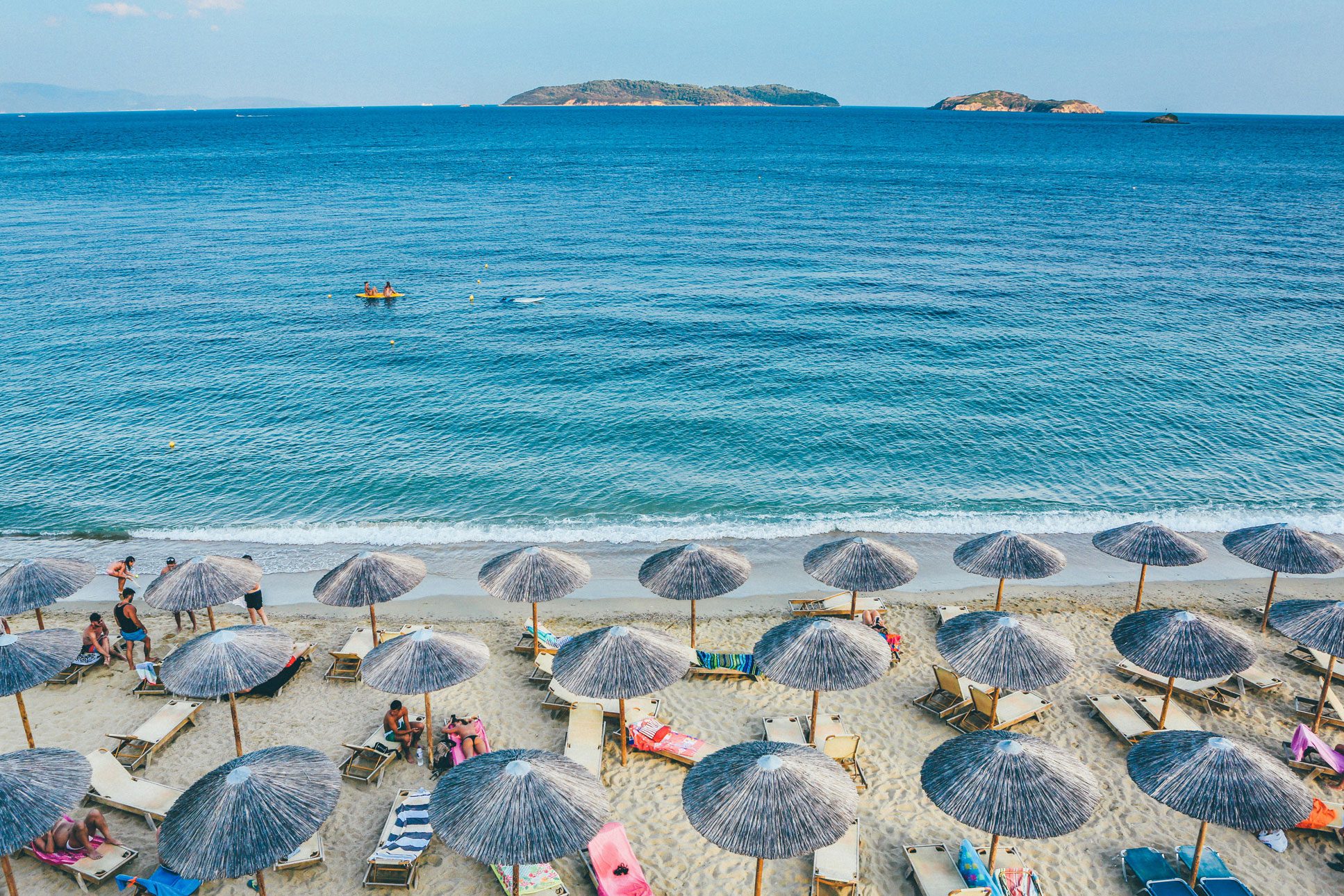
User posts on Instagram and TikTok are driving large numbers of tourists to remote, environmentally vulnerable areas in Southern Europe, putting the biodiversity of these regions at risk, according to “The Guardian”. Southern Europe received around 330 million tourists last year, accounting for one-third of global tourism.
Residents of the Cyclades say that tourists’ expectations, shaped by social media, are based on the ideal of a “perfect beach, home, and view,” and that the islands’ tourist development (e.g., hotel construction and paving) is coming at the expense of local ecosystems.
Research showed that “Instagrammability” (the “perfect” Instagram photo) is the main reason French people (aged 25-34) choose a destination.
These constructions often require the draining of wetlands, reducing the available freshwater for the 185 million migratory birds that stop in the Cyclades. According to WWF, populations of species dependent on wetlands have decreased by 81% over the past 50 years in the Mediterranean.
The Calanques National Park in southeastern France is facing growing ecological pressure from over-tourism. With around 3 million visitors annually, the high traffic has led to soil erosion, trail destruction, and damage to rare plant species. In response, the park has imposed a daily visitor limit of 400 at certain points and has adjusted its social media strategy to focus on raising awareness about nature conservation, with positive results.


 What is fyi.news?