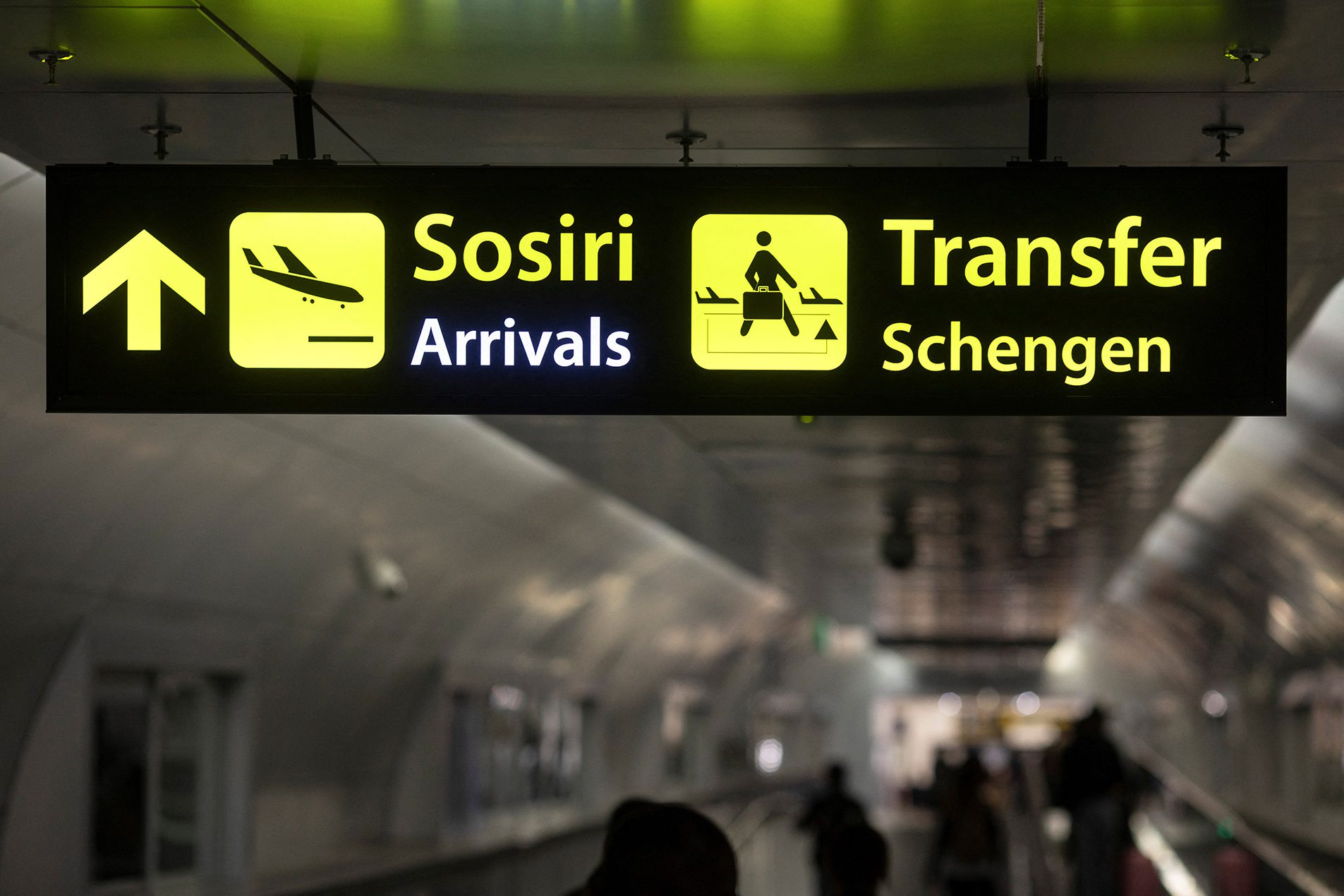
After 13 years of negotiations, Romania and Bulgaria have taken a significant step toward joining the Schengen zone by partially removing passport controls for zone members from their airports.
The accession aims to streamline operations at Bulgaria’s four international airports, which welcomed nearly 11 million passengers in 2023. Notably, 70% of all flights at Sofia airport are to and from airports within the Schengen zone.
The Schengen zone comprises 29 European countries that have eliminated border controls between them.
Access with just a National ID card will be valid for those traveling by air or sea but not for those traveling by road. Austria was the primary reason for the two countries’ delay in joining the Schengen area, as it vetoed their entry due to concerns that they “have not done enough to prevent irregular immigration.” This concern is also why they have yet to be allowed full accession.
Members of the European Parliament have voiced concerns about the extensive queues forming at the EU’s land borders and the potential repercussions on trade, as well as the health and safety of drivers. Truck drivers frequently endure lengthy queues stretching for kilometers at the borders of Romania and Bulgaria. The Association of International Transporters in Bulgaria estimates that these delays incur costs of tens of millions of euros annually for the industry.


 What is fyi.news?