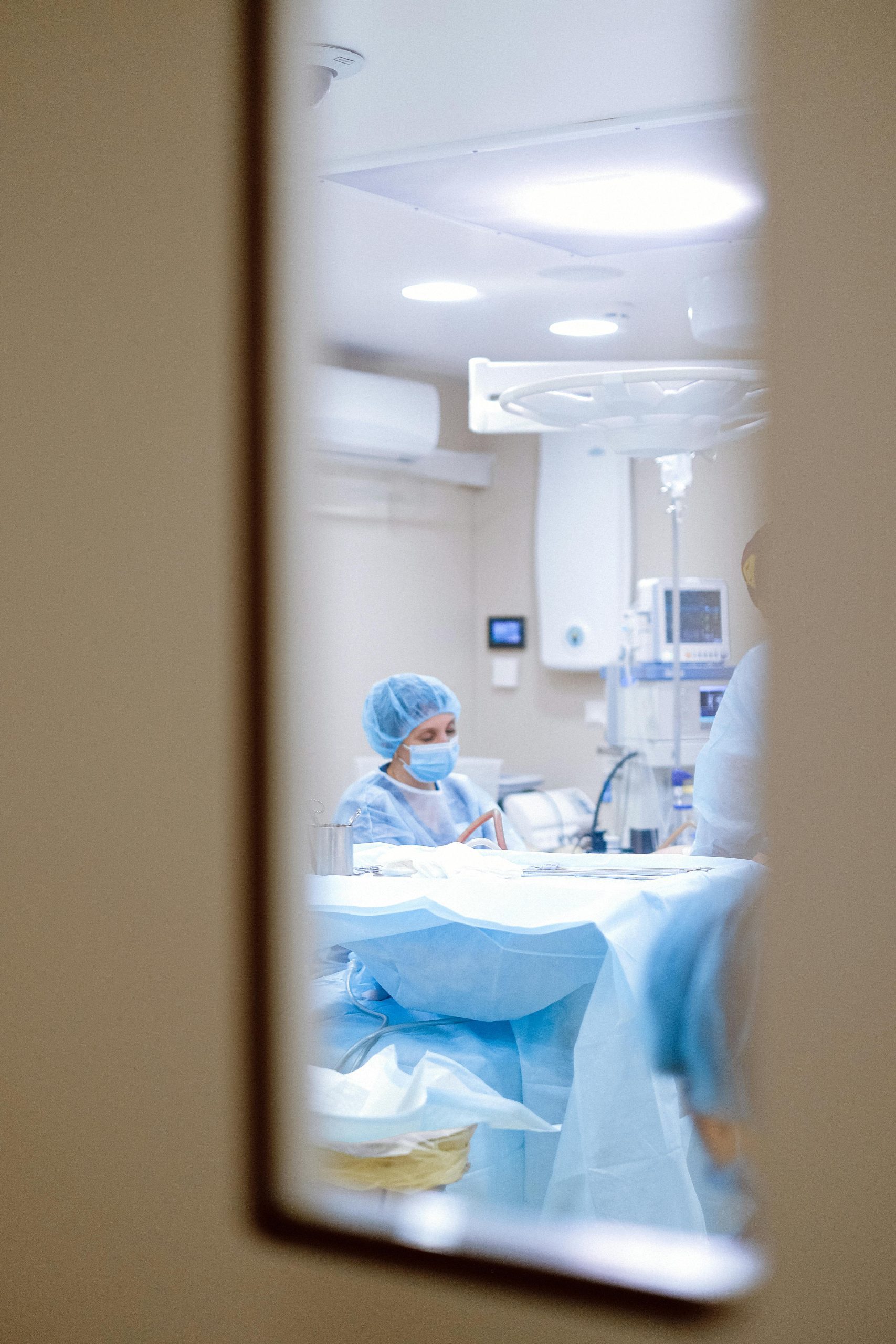
The year 2024 was a record year for organ transplants in Greece, with 111 deceased donors, 125 living kidney donors and, for the first time, living liver donors, while 361 patients received a transplant, according to Kathimerini.
At the same time, the rate of family refusal to consent to organ donation after brain death dropped to 26%, a percentage comparable to other European countries, according to the annual activity report on solid organ transplants from the Hellenic Transplant Organization (HTO).
Presenting the report, HTO president Georgios Papatheodoridis stressed: “This fact alone proves that citizens consent to organ donation as long as they are properly informed, and that family refusal is not the main reason our country lags behind in organ donation.”
Brain death is the irreversible loss of all brain functions and is considered equivalent to death, even if the heart continues to beat.
The goal is for Greece to reach the European average of 20 donors per million inhabitants, up from the current 10,6.
Overall, 54% of donors came from intensive care units in hospitals in Athens and Central Greece, 20% from Thessaloniki and Northern Greece, 17% from Crete and the Aegean islands, and 9% from Western Greece and the Peloponnese.
According to Kathimerini, in most cases where organ donation went ahead, the proposal to the patients’ relatives came from doctors and transplant coordinators. In 10% of cases, it was the relatives themselves who requested the donation.


 What is fyi.news?