(POOL UNION EUROPEENNE / AGENCE HANS LUCAS / Hans Lucas via Reuters Connect)

Ma bisteren: Europe must not forget its Roma

Add your Headline Text Here
@fyinews team

03/11/2026

Copy link
fyi:
  1. “Europe’s forgotten people.” That is how the Roma are often described. Yet their population numbers between 10 and 12 million, exceeding that of many EU countries, while their history is often overlooked.
  2. They have endured centuries of persecution and forced assimilation, culminating in the darkest chapter of all: the Nazi genocide of the Roma.
  3. The Union of Equality must be felt in every home, from city centers to the most remote neighborhoods. Yet many Roma still do not experience this equality, and anti-Roma discrimination remains part of everyday life.


By Hadja Lahbib*

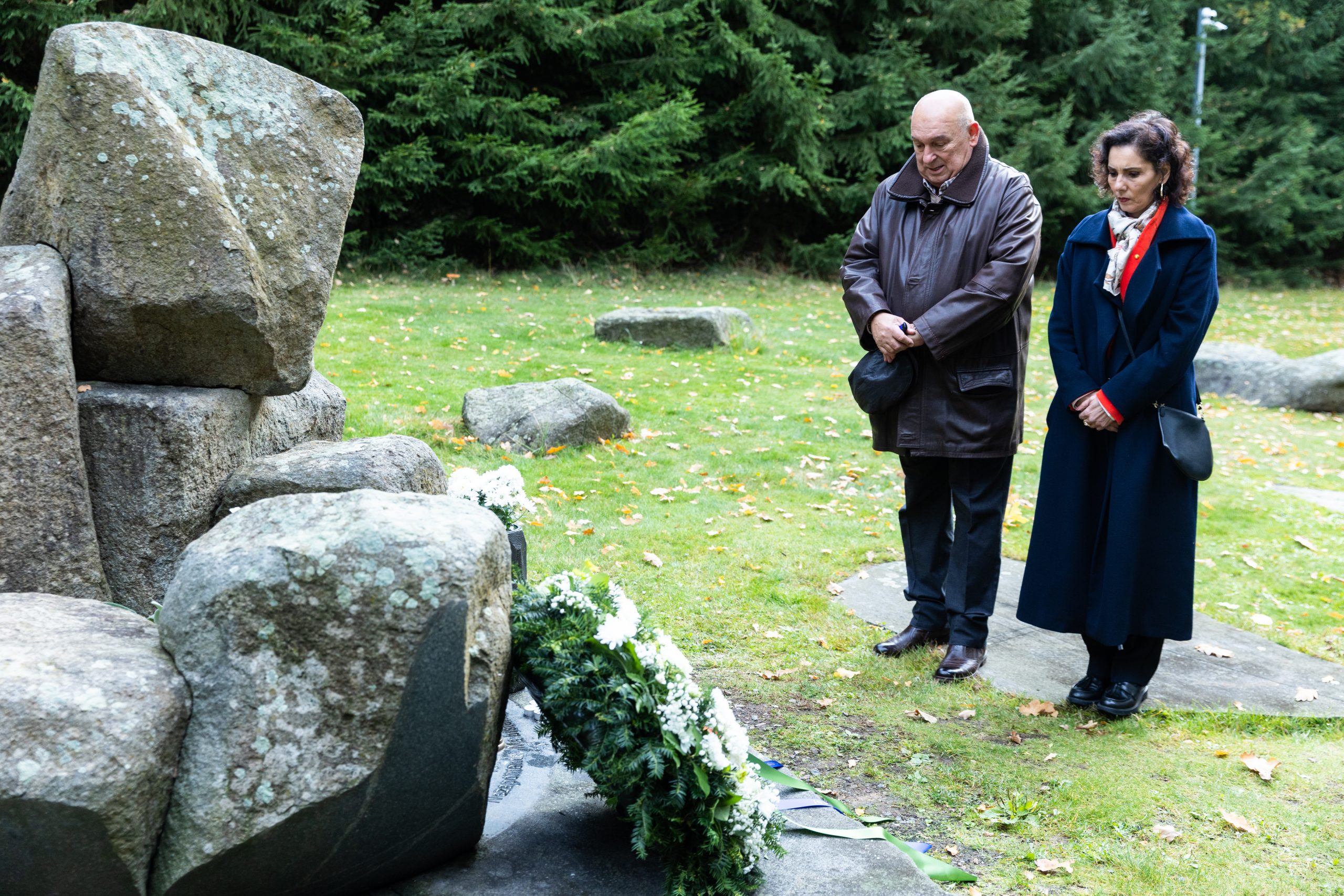
In Lety u Písku, in southern Bohemia, 1,294 names are inscribed on a stone circle. They belong to Roma and Sinti families imprisoned there under the Nazi regime. At least 335 people died in the camp, while hundreds more were sent to Auschwitz.

When I visited last month to honor the victims, I read the names of children who never reached school age. Near the graves, an older stone bears two words in Romani: Ma bisteren. Do not forget.

“Europe’s forgotten people.” That is how the Roma are often described. Yet they number between 10 and 12 million, more than the population of many EU countries, and their history is often overlooked. Their language is still spoken from the Balkans to the Baltic, while their rich traditions of music, dance, storytelling and craftsmanship have become part of Europe’s own cultural heritage.

The Roma have also endured centuries of persecution and forced assimilation, culminating in the darkest chapter of all: the Nazi genocide of the Roma. Lety is one of the scars it left behind. We remember so that it never happens again.

Lety is one of the scars it left behind. We remember so that it never happens again.

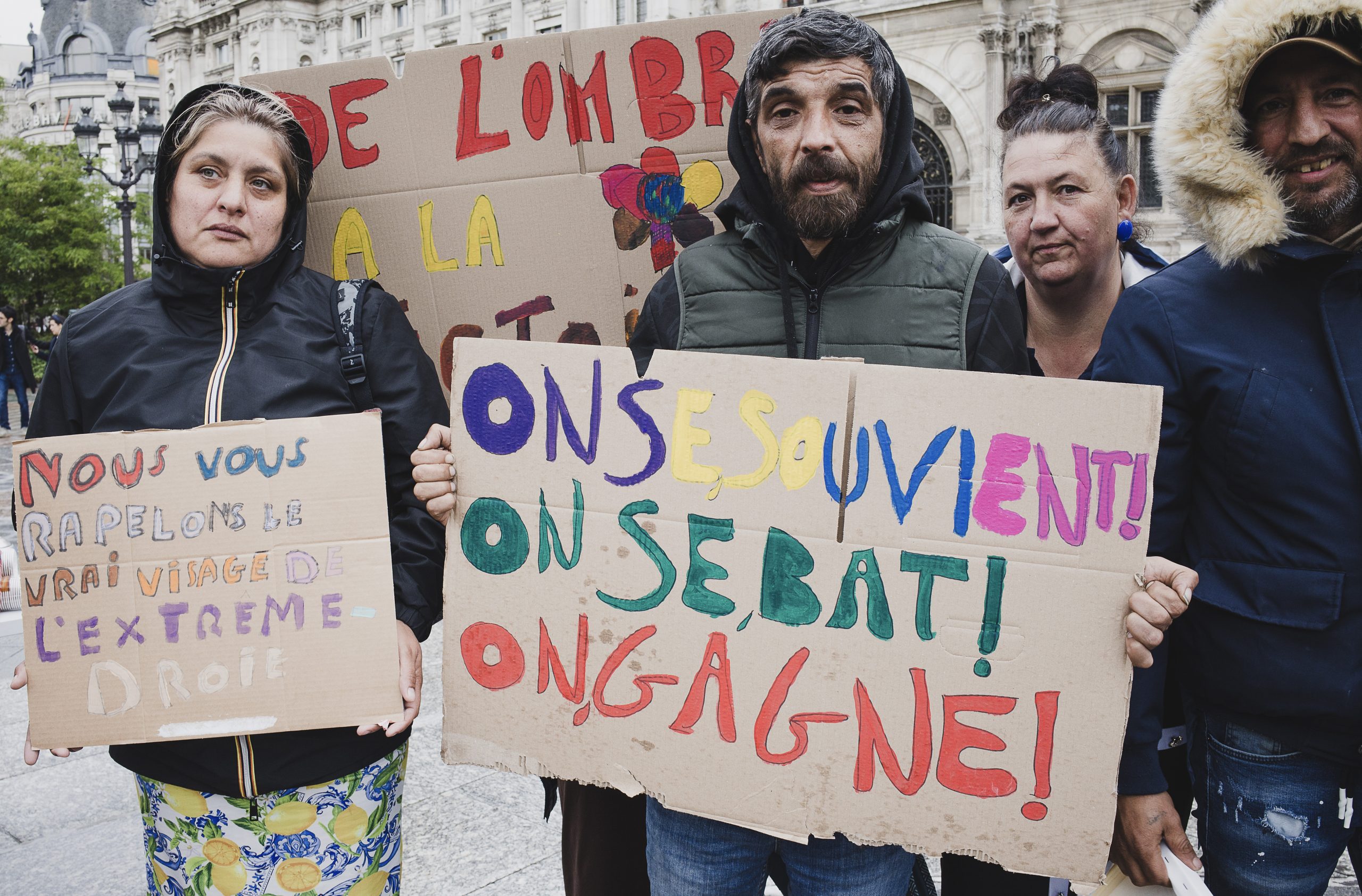
The Union of Equality must be felt in every home, from city centers to the most remote neighborhoods. For many Roma, that equality remains out of reach. Anti-Roma discrimination is still part of everyday life.

Since my first day as Commissioner, my goal has been simple: every European should find an open door and be able to walk through it. For many Roma, that door remains half-closed. It is the job interview that never leads to a callback. The apartment that is suddenly “rented” as soon as the landlord hears a name. The girl placed in a separate classroom before anyone has had a chance to see what she can do. These barriers leave no visible marks, but their effects can last a lifetime.

Under the EU Roma Strategic Framework, the EU has set clear targets for 2030: ending discrimination and poverty, and ensuring equal access to education, employment, healthcare and housing. This week, we are publishing our third report on the progress made.

(Daniel Perron / Hans Lucas via Reuters Connect)

Υπάρχει πρόοδος. Περισσότερα παιδιά Ρομά ξεκινούν πλέον τη μέρα τους στον βρεφονηπιακό σταθμό ή στο νηπιαγωγείο. Αυτό έχει σημασία, γιατί τα μειονεκτήματα ξεκινούν νωρίς και μεγαλώνουν σαν χιονοστιβάδα. Ένα καλό ξεκίνημα μπορεί να αλλάξει μια ολόκληρη ζωή. Οι περισσότεροι στόχοι για την απασχόληση μπορεί να επιτευχθούν έως το 2030, όμως η πρόοδος είναι άνιση. Σε αρκετές χώρες, τα παιδιά Ρομά εξακολουθούν να απομονώνονται σε χωριστές τάξεις, ενίοτε και σε χωριστά σχολεία. Πάρα πολλές οικογένειες ζουν ακόμη στη φτώχεια, στριμωγμένες σε ασφυκτικά γεμάτα σπίτια.

Η αλλαγή έρχεται, αλλά όχι όσο γρήγορα πρέπει. Η Ευρωπαϊκή Επιτροπή μπορεί να χαράζει πορείες και να χρηματοδοτεί έργα. Η πραγματική αλλαγή όμως συμβαίνει όταν ο δήμαρχος υπογράφει το σχέδιο στέγασης ή ο διευθυντής του σχολείου ανοίγει την πόρτα της τάξης.

Το πιο δύσκολο εμπόδιο είναι η προκατάληψη. Πριν από δύο χρόνια, σχεδόν οι μισοί Ευρωπαίοι δήλωναν ότι θα ένιωθαν άβολα αν είχαν γείτονες Ρομά. Κι όμως, οι Ρομά είναι ήδη γείτονές μας. Είναι συνάδελφοι και συμμαθητές μας, δάσκαλοι και πυροσβέστες μας. Οι Ρομά ανήκουν στην Ευρώπη. Πάντα ανήκαν. Το ερώτημα είναι αν είμαστε έτοιμοι να γκρεμίσουμε τα εμπόδια που εξακολουθούν να τους κρατούν πίσω.

Η προκατάληψη μαθαίνεται, άρα μπορεί και να ξεμαθευτεί. Ξεκινά από τα μικρά: ένα βιογραφικό που κρίνεται με βάση την αξία του, ένας νέος γείτονας που τον καλωσορίζουμε στην πόρτα. Μια μητέρα Ρομά που παίρνει το ίδιο κρεβάτι στο μαιευτήριο όπως κάθε άλλη μητέρα. Οι νόμοι μπορούν να ανοίγουν πόρτες. Οι καθημερινές μας επιλογές όμως είναι που τις κρατάνε ανοιχτές.

Η ένταξη δεν είναι μόνο η δίκαιη, αλλά και η έξυπνη επιλογή. Κάνει τις κοινωνίες μας πιο δυνατές.

Η ένταξη δεν είναι μόνο η δίκαιη, αλλά και η έξυπνη επιλογή. Κάνει τις κοινωνίες μας πιο δυνατές. Οι Ρομά μπορούν να παίξουν σημαντικό ρόλο στην αγορά εργασίας μας και πρέπει να έχουν τις ίδιες ευκαιρίες με όλους τους Ευρωπαίους.

Φανταστείτε ένα κορίτσι Ρομά που ξεκινά το σχολείο αυτό το φθινόπωρο, σε μια τάξη που τη μοιράζεται με όλα τα άλλα παιδιά της πόλης όπου ζει. Όταν θα κάνει αίτηση για την πρώτη της δουλειά, το όνομά της στο βιογραφικό θα πρέπει να ανοίγει πόρτες το ίδιο εύκολα με το όνομα οποιουδήποτε άλλου πολίτη.

Αυτή είναι η Ευρώπη που οφείλουμε στις οικογένειες του Λέτι και σε κάθε παιδί που μεγαλώνει σήμερα. Θα είμαστε ολόκληρωμένοι μόνο όταν κάθε πολίτης έχει τη θέση του ανάμεσά μας.

Ma bisteren**.

* Η Hadja Lahbib είναι η Ευρωπαία Επίτροπος Ισότητας, Ετοιμότητας και Διαχείρισης Κρίσεων.

**σημαίνει “Μην ξεχνάτε” και συμβολίζει τη συλλογική μνήμη και την απόδοση τιμής στα θύματα Ρομά του Ολοκαυτώματος κατά τη διάρκεια του Β’ Παγκοσμίου Πολέμου.

AD(1024x768)