In a landmark ruling, the International Court of Justice (ICJ) in The Hague ruled yesterday, Thursday, by nine votes to six, that Myanmar committed genocide against the Rohingya Muslim minority in 2017. It is the first time in the Court’s 80-year history that it has held a state, rather than individuals, directly responsible for genocide.
According to the ruling, Myanmar’s military carried out indiscriminate killings, executions of men, widespread sexual violence, extreme violence against children and systematic arson attacks on homes. The judges concluded that the operations were intended to destroy a substantial part of the Rohingya population, which is concentrated mainly in Rakhine State in western Myanmar.
The military operation began in August 2017, following attacks by an armed Rohingya group on more than 30 police posts. The subsequent crackdown, which also involved local Buddhist groups, killed at least 10,000 people and forced more than 700,000 to flee to neighbouring Bangladesh. The Court rejected Myanmar’s argument that the operation was a legitimate counterterrorism campaign.
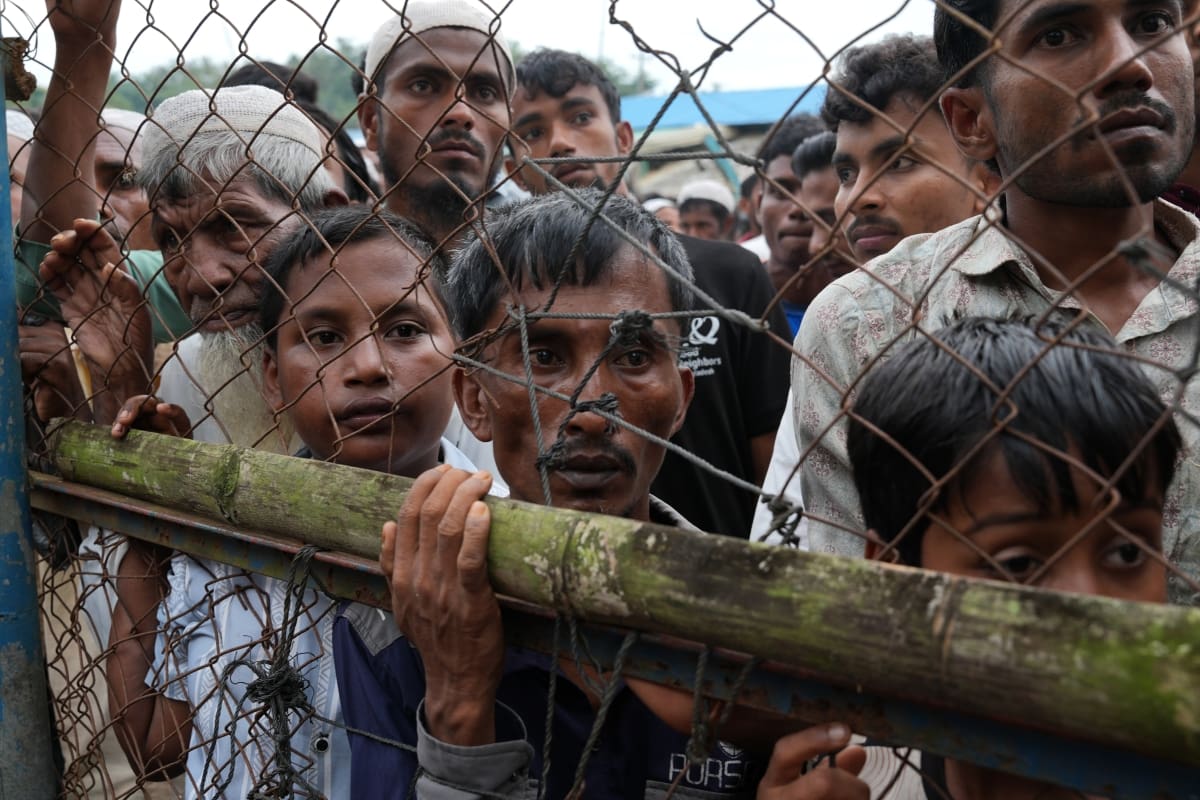
Today, approximately 1.2 million Rohingya live in refugee camps in the Cox’s Bazar area of Bangladesh.
Today, approximately 1.2 million Rohingya live in refugee camps in the Cox’s Bazar area of Bangladesh, which together form the world’s largest refugee camp complex. Displaced people face severe restrictions on employment and education, food insecurity and continued uncertainty over their return.
The case was brought before the Court by The Gambia in 2019. The binding ruling provides for reparations, property restitution and the safe return of displaced people. However, the Court has no enforcement mechanism of its own, while Myanmar’s ongoing civil war complicates implementation. The precedent could also influence other pending genocide cases.
Sources: BBC, CNN, The New York Times


 What is fyi.news?