What is fyi.news?
- What happened
- How did we get here (dates)
- The interception
- What do both sides state
- International reactions
- What happens from here on out?


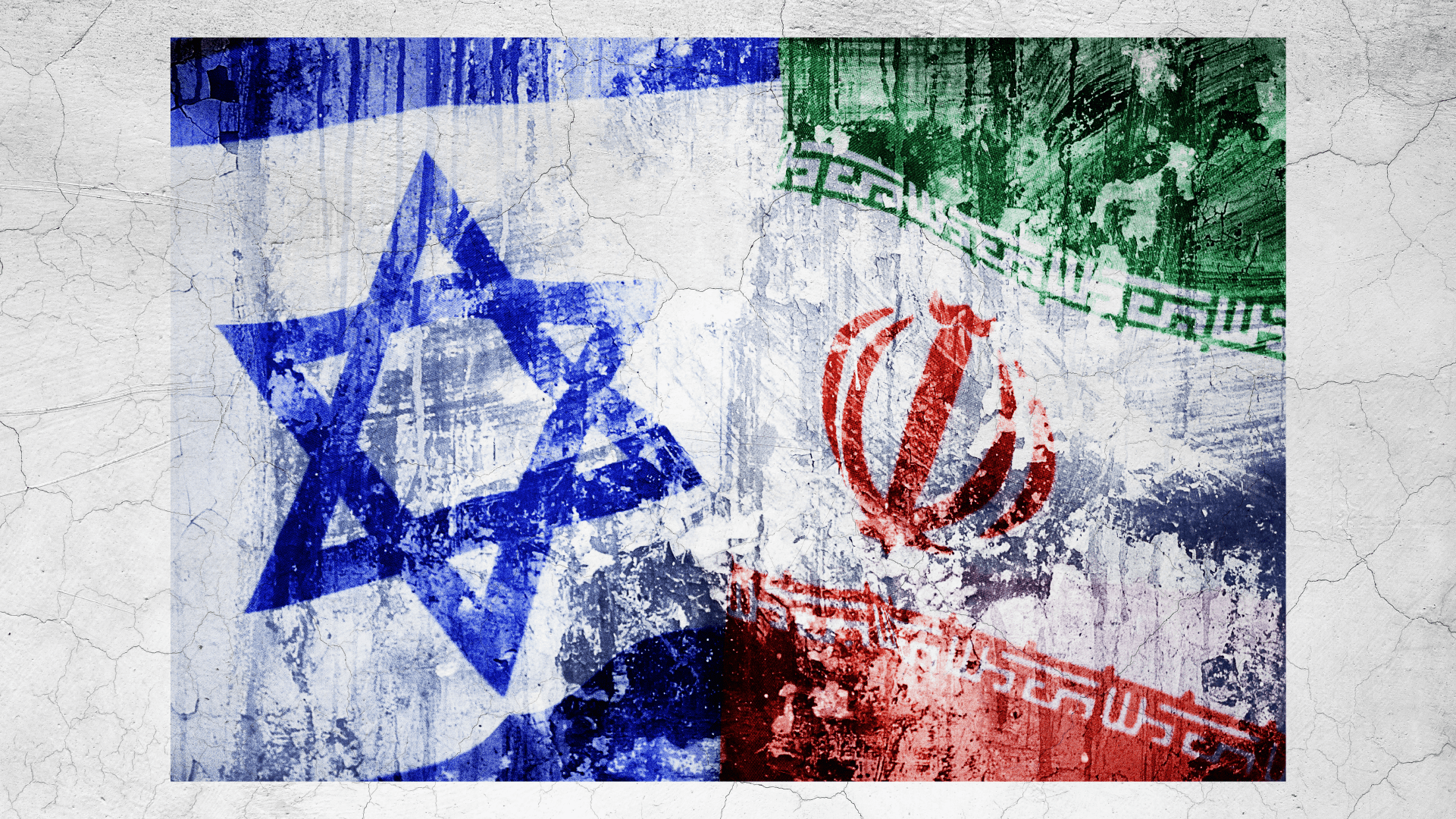
Iran’s recent aerial attack on Israel signifies a notable escalation in the enduring rivalry between the two nations. It stands as the first direct assault by Iran on Israel in history, moving beyond previous proxy conflicts.
Iran-Israel relations have deteriorated significantly over the past six months, particularly following the beginning of the war in Gaza. This escalation has raised serious concerns about the potential for violence to spread throughout the Middle East.
 (fyiteam/REUTERS)
Hamas attacks
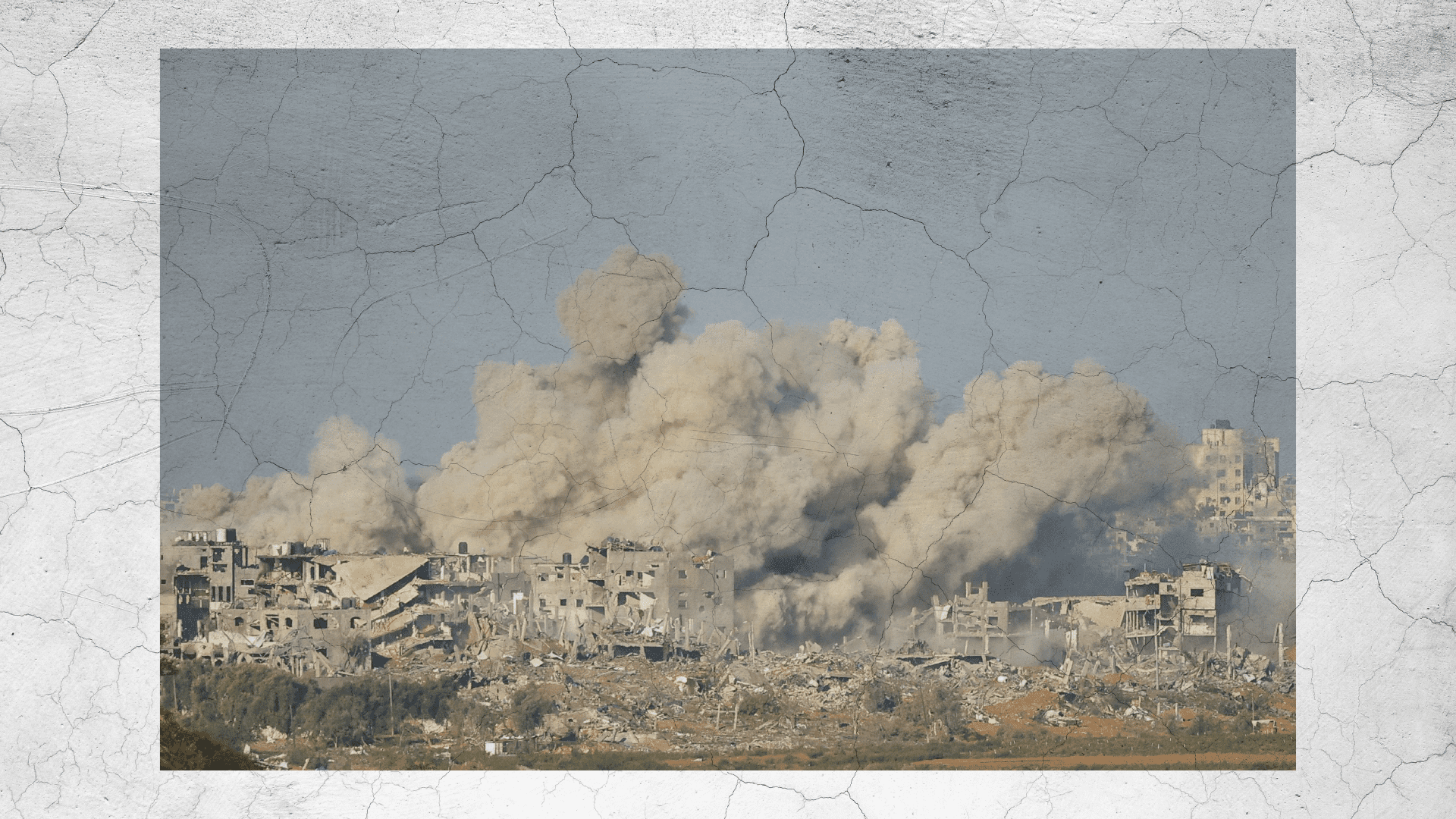
October 7, 2023: Hamas fighters attack Israel, killing 1,200 people, mostly civilians, and capturing about 250, according to Israeli authorities.
The attack marks the onset of a devastating conflict, resulting in the loss of over 33,700 lives, predominantly women and children, according to the Gaza Health Ministry.
Hezbollah’s involvement
October 8, 2023: Just one day after the war began, Lebanon’s Hezbollah, supported by Iran, joined the conflict. Although tensions between Hezbollah and Israel are limited to specific areas, the repercussions have led to the displacement of tens of thousands of people on both sides of the border.
Houthi involvement
November 2023: Iran-backed Houthi rebels in Yemen initiate drone and missile attacks on ships in the Red Sea, demonstrating solidarity with the Palestinians. Additionally, they launch missiles at Israel, most of which are intercepted.
The strike in Damascus
April 1, 2024: Two Iranian generals from Iran’s elite “Revolutionary Guard” corps and five other military personnel are killed in an Israeli strike on the Iranian consulate in Damascus. While Israel has not officially claimed responsibility, Iran vows retaliation.
Iran’s attack
April 14, 2024: Iran fulfills its promise of retaliation.
 (fyiteam/REUTERS)
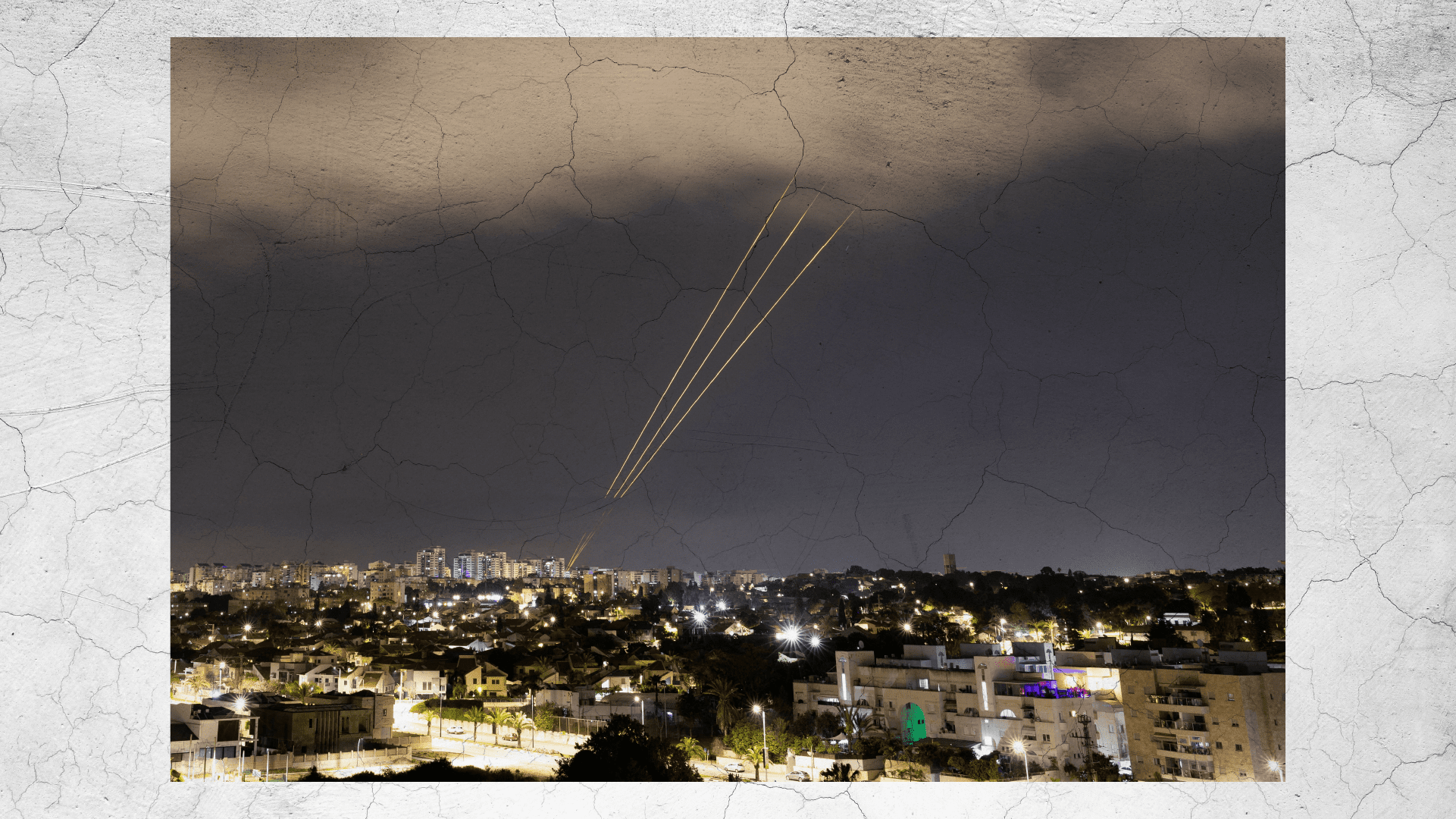
Iran launched approximately 350 drones and missiles towards Israel, with Iron Dome, Israel’s air defense system, along with support from US, French, and British fighters, successfully intercepting 99% of them.
Reuters reported that Jordan played a role in neutralizing the Iranian attack, although the country has not officially confirmed its involvement.
Israel’s interception operation, which lasted only a few hours, cost $1.35 billion.
 (fyiteam/REUTERS)
Israel’s response
The country’s cabinet convened without specifying the timing or nature of its response. Israeli Prime Minister Benjamin Netanyahu expressed confidence in a tweet(X) following the attacks, stating that his country “will prevail.” In an earlier speech, he emphasized the army’s preparedness for any scenario, asserting, “Whoever hurts us, we will hurt him too.”
What does Iran say
Iran told the US that it viewed the matter as “resolved.”
However, it emphasized that should Israel make another mistake, Iran’s response will be significantly more severe.
“This is a conflict between Iran and the rogue regime of Israel that the US MUST STAY AWAY from!” the statement read.
The US, under Biden’s leadership, made it clear that it would not engage in aggressive operations against Iran but reiterated its support for Israel.
Saudi Arabia expressed concern about the “military escalation” in the region and urged restraint from both sides.
China also expressed deep concern about the potential expansion of the conflict “beyond Gaza,” emphasizing the need for an immediate ceasefire.
The G7 condemned Iran’s attack but also called for restraint.
Greece also condemned the Iranian attack but called for restraint.
All eyes are now on Israel to see if it will retaliate against Iran, with the US, Israel’s most significant ally, advocating for diplomacy.
Iran has emphasized its desire to avoid a widespread conflict in the region. At the same time, analysts suggest that the attack struck a delicate balance for the country: responding to the Israeli strike in Syria while also preventing further military escalation by Israel.