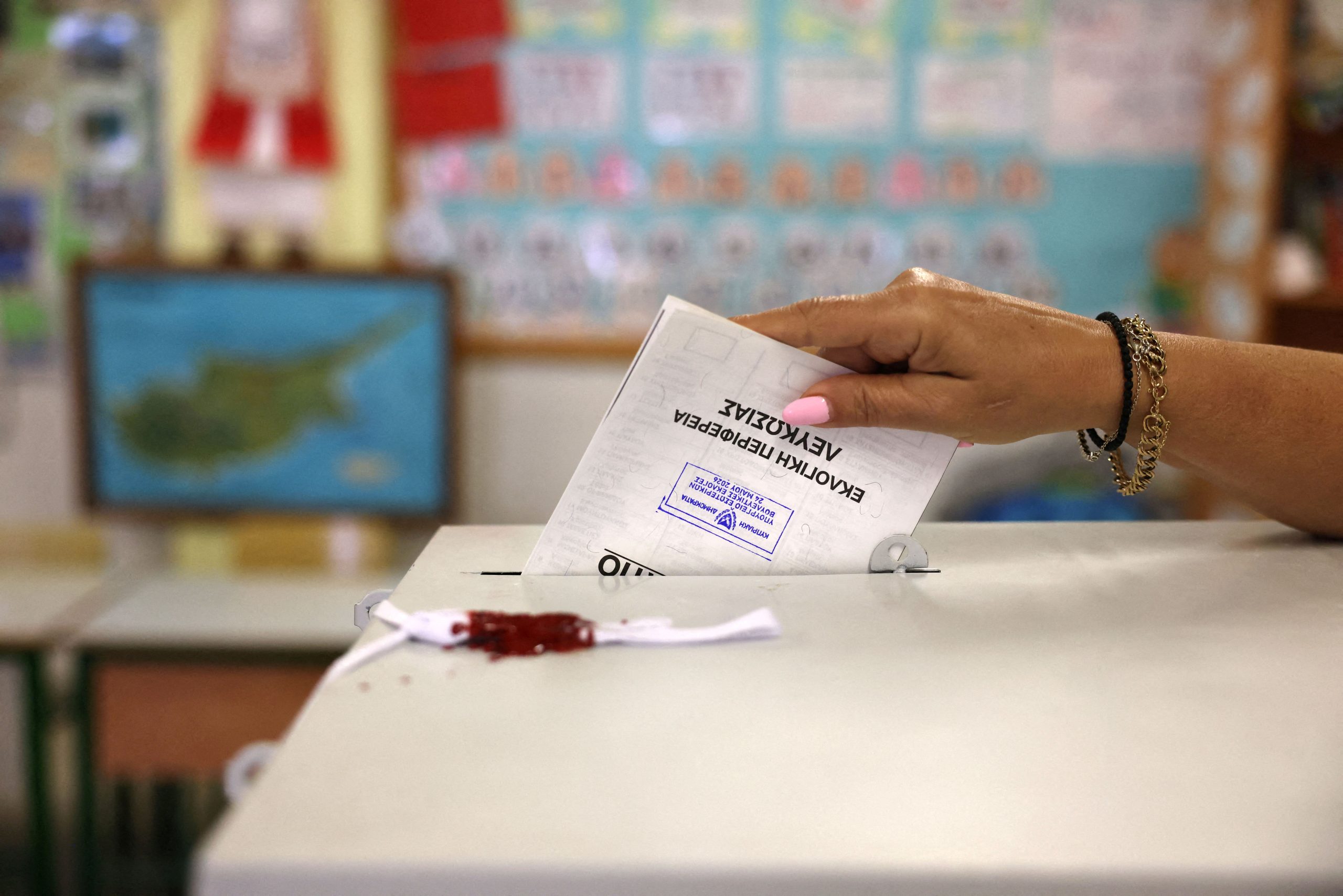
Among the 56 members of parliament elected in Cyprus, the MP who received the fewest votes was Dimitris Baros, who won a seat for the Direct Democracy party in the Paphos district with just 280 preference votes. While 280 votes may seem like a very small number, such an outcome is possible under the way Cyprus’s electoral system operates.
In Cyprus, parliamentary seats are not awarded to candidates first—they are allocated to political parties. The country’s electoral system is based on proportional representation and operates through three stages of seat allocation (the first based on simple proportional representation, followed by enhanced proportional allocation).
Initially, each electoral district is assigned a specific number of seats, and the so-called electoral quota is calculated—that is, approximately how many votes are needed to secure one seat. Parties are then awarded seats according to their overall electoral strength.
The candidate who received the most votes was D. Demetriou, who was elected in Nicosia for DISY with 13,157 votes.
However, many seats remain unallocated after the first distribution. This is where the second and third allocation rounds come into play, during which the entire country is treated as a single electoral district. The remaining votes (“vote remainders”) from each party across all districts are combined and can result in additional seats, provided that the party surpasses certain nationwide thresholds (3.6% in the second allocation stage for an independent party).
As a result, Dimitris Baros was not elected because he personally enjoyed strong support in Paphos, but because his party had sufficient nationwide support (5.4%) to secure a seat through the electoral allocation system.
Sources: Politis, Home Affairs


 What is fyi.news?