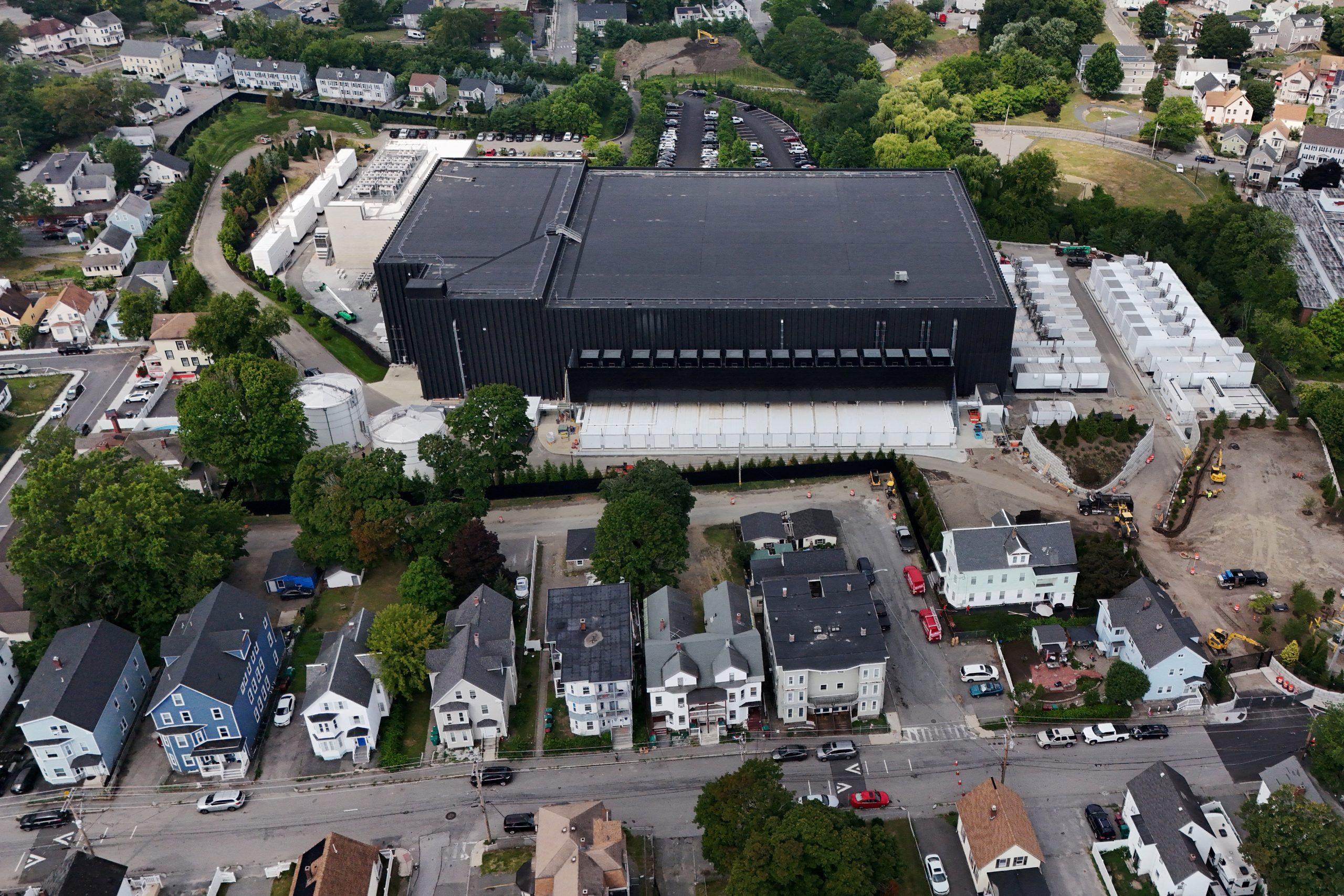
AI infrastructure investments in the US, projected to exceed $10 trillion between 2025 and 2032, are facing significant obstacles, according to the Financial Times. Data center construction delays, local opposition, and rising financing costs are raising uncertainty about whether the industry’s investment plans can be carried out.
At least 47 major projects have been delayed, canceled, or blocked in 2026, while industry analysts estimate that only 35% of planned data center projects in the US are likely to be completed.
More than 1,000 communities have sought to restrict data center development this year.
Local opposition is a major obstacle, with more than 1,000 communities seeking to restrict data center development this year. Construction permits are also becoming harder to obtain, while industry executives report that regulators are refusing to connect new facilities to the power grid unless they have secured their own electricity supply.
Higher interest rates and investor caution are also making it more difficult to raise the capital required. For example, SB Energy, backed by SoftBank, OpenAI, and Nvidia, needs $174 billion to meet contractual commitments representing $430 billion in projected future revenue, despite not yet having completed a data center. Delays create additional risks, as some contracts allow customers such as OpenAI and Anthropic to withdraw if specific deadlines are missed.
Source: Financial Times


 What is fyi.news?