What is fyi.news?
- From doomscrolling to doomchessing
- Play chess, because we’re losing it
- The Queen’s Gambit effect
- The dizzying numbers
- So, is it addictive?
- Chess.com today
- Was it always this popular?
- Who is No. 1?


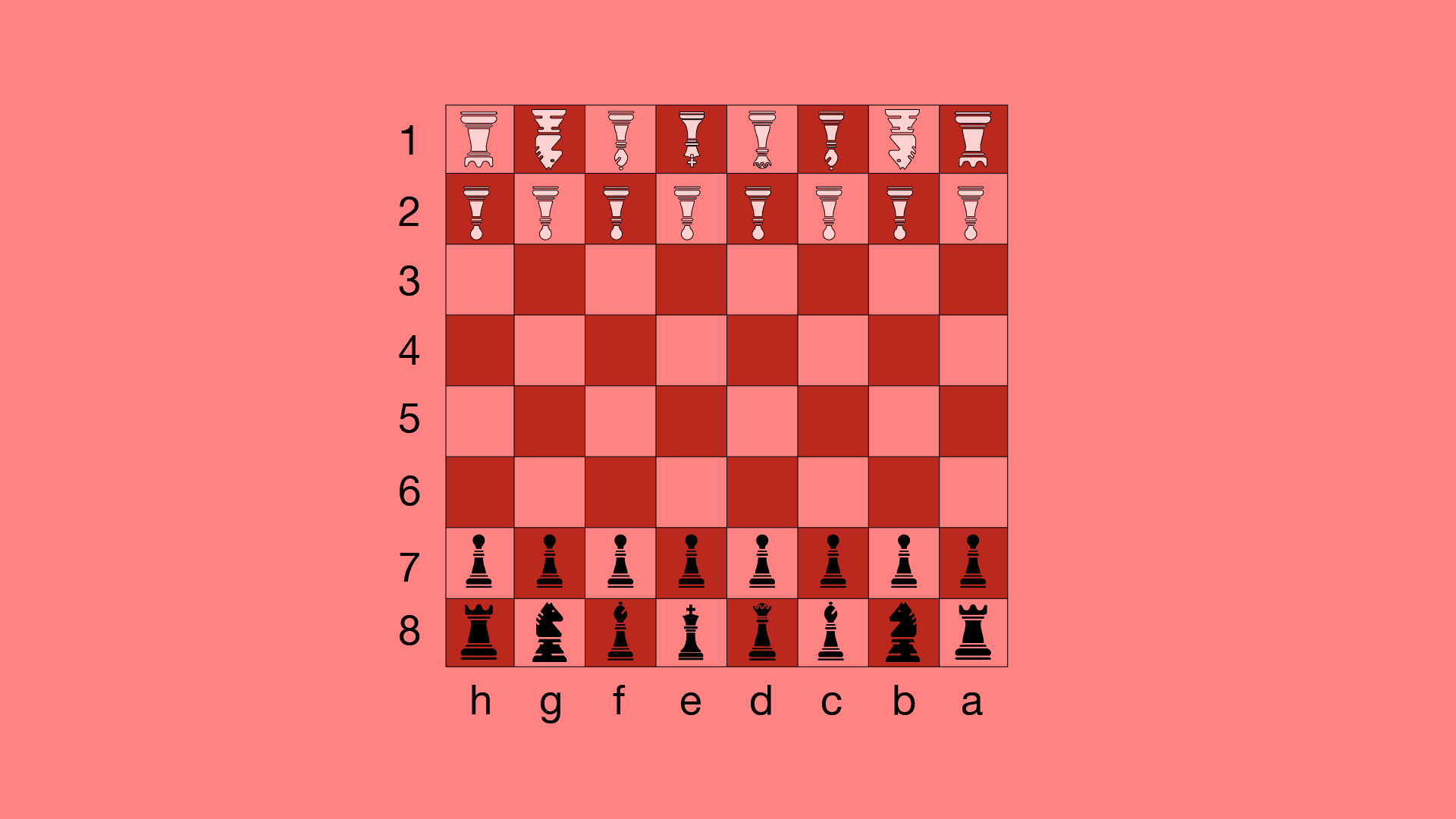


In the age of doomscrolling, when our phones have practically become extensions of our hands, a new, though less widespread, term has emerged: doomchessing.
Doomscrolling = continuously and aimlessly scrolling through social media
Doomchessing = continuously playing online chess games on platforms such as Chess.com
In fact, a French content creator complained in one of her videos that her boyfriend starts playing chess while they are still in the middle of a conversation.
We can confirm that the convenience offered by Chess.com, with unlimited daily games and the ability to match you with virtually any player in the world at any time, encourages you to keep playing.
You can play anywhere: on the metro, provided you have internet access, in the bathroom, in bed after coming home drunk, not that we endorse it, or at work, which we do not endorse either.
But when did chess apps become so popular?
In 2020, The Queen’s Gambit suddenly made chess cool, and the number of Chess.com users multiplied.
The series tells the fictional story of chess player Beth Harmon, who takes the male-dominated chess world by storm.
The title refers to the chess opening of the same name, and a personal favourite among some of fyi:’s chess players.
Following the release of the series, and within just one month, Chess.com went from gaining an average of 20,000–30,000 new members per day to almost 125,000 per day.
“We knew a series about chess was coming, but we had not realised it would become one of the most popular shows in Netflix history,” Nick Barton, Chess.com’s director of business development, told Le Monde.
Some people publicly claim that they are “addicted to online chess”. Others, such as Raphaël Milovanovic, who ranks among the platform’s top 0.6%, have compared it to crack.
The term is certainly overused, and there is obviously no such thing as a “good addiction”.
Still, the app makes you want to win back the points you lost after a defeat and increase your rating after a victory. There have even been calls for the platform to introduce a warning message when users exceed a certain amount of time on the app.
Chess.com currently has approximately 205 million members, a figure that further confirms its popularity.
The United States ranks first on Chess.com, with around 43.9 million players, followed by India with 20.4 million and the United Kingdom with 8.9 million.
There do not appear to be any official figures for Greece. However, according to 2024 data shared on the Chess.com forum, there are 57,671 Greek accounts.
Chess is an extremely popular game whose origins can be traced back to ancient times. It has existed in its current, final form since the 15th century.
However, the game reached new heights of popularity during the 1972 World Chess Championship final between American Bobby Fischer and Soviet player Boris Spassky, partly because of the wider context of the Cold War.
Fischer won, bringing an end to 24 years of Soviet dominance in chess.
Today, Norway’s Magnus Carlsen has raised the bar higher than ever before.
He has held the No. 1 position in the world rankings since 2011 and holds the record for the highest-ever Elo rating, 2882, as well as the longest unbeaten streak at the elite level, at 125 games.
Carlsen, Russian player Garry Kasparov and Bobby Fischer are considered the three highest-ranked players in the history of the game.
Elo rating system: A scoring system used in official chess competitions to measure a player’s relative playing strength.