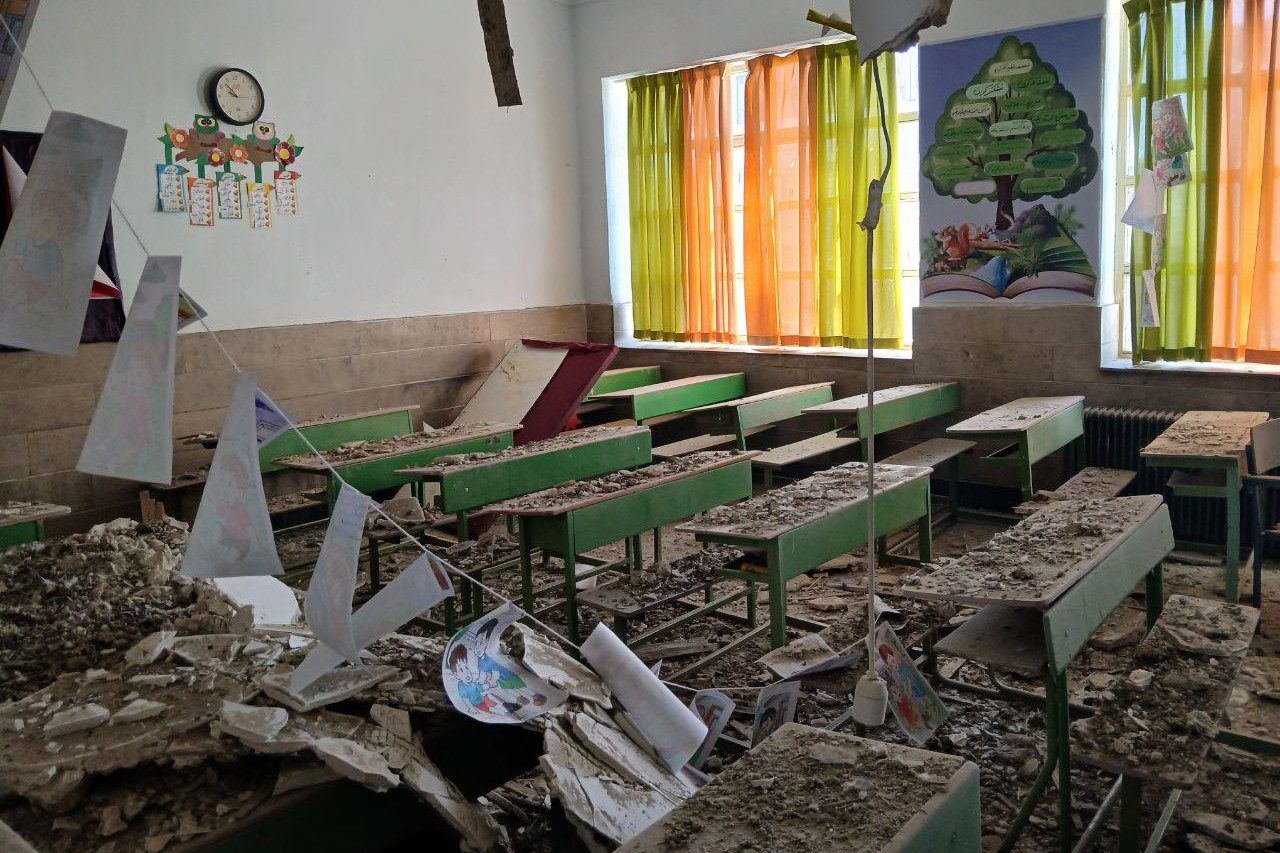
Simin, a retired teacher, says the most painful thing she has ever seen was the images of the destroyed girls’ school in the city of Minab, followed by rows of graves dug for the students who were killed.
“I’ve seen a lot in my life, from the killing of my brother by the Shah’s regime before the 1979 revolution to the execution of my friends who were political activists in the years after the revolution. But seeing all these little girls, who had done nothing except sit in a classroom, is the most bitter thing I’ve ever seen. It will stay with me forever.”
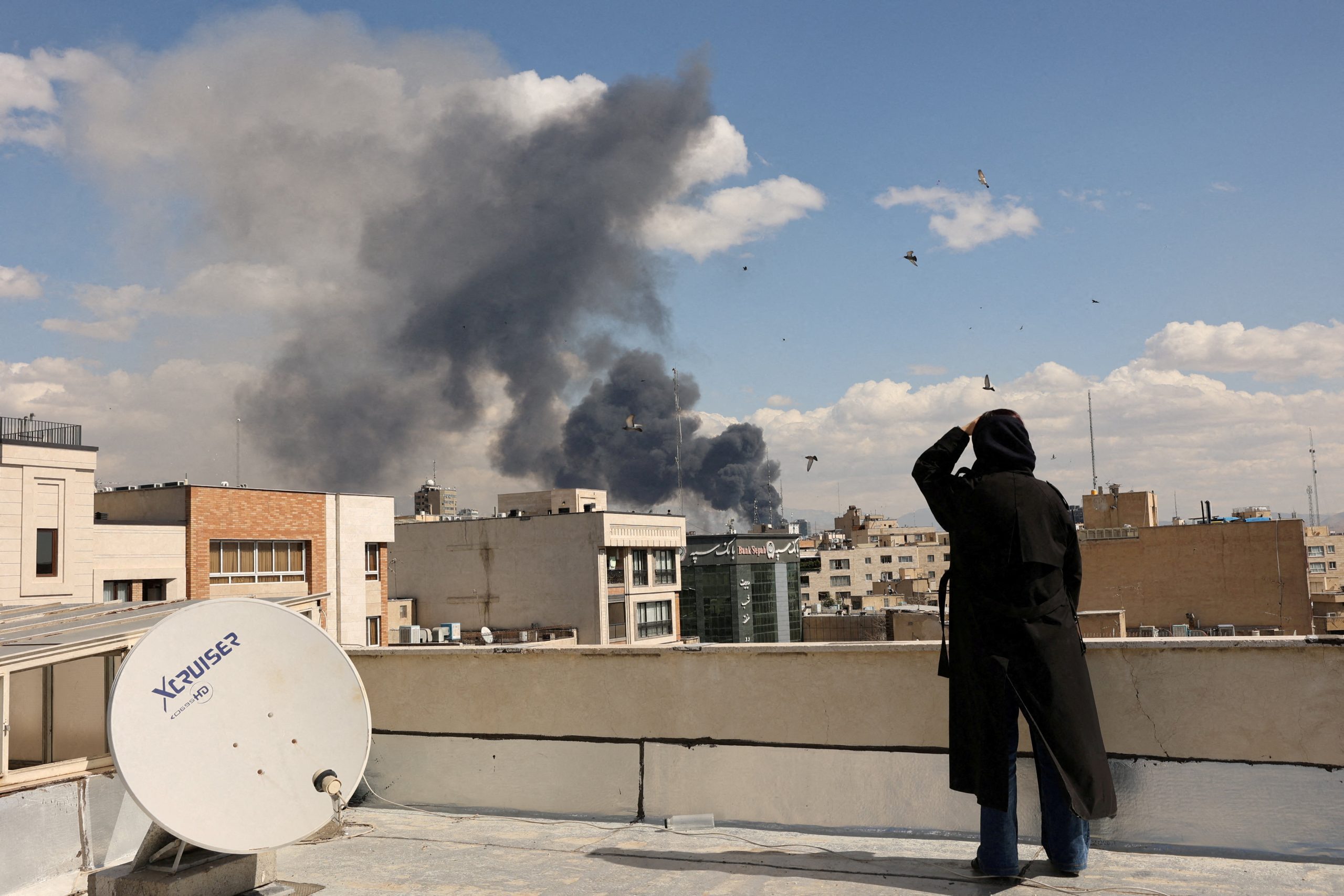
Simin has remained in the capital despite the heavy bombing of Tehran because her 79-year-old husband cannot move after suffering a stroke. She also stayed in the city during the 12-day war in June 2025, but she says the scale of the bombing this time is much heavier than last year.
“Although nothing has been bombed near our house yet, every night we hear such terrible explosions that we can’t sleep until morning. My husband can’t speak, but he just looks at me in fear. I try to calm him and tell him it’s nothing, that the explosions are far outside the city.”
Like many other Iranians, she worries about the destruction of the country’s infrastructure and everything that was rebuilt after the Iran-Iraq war (1980-88). That war lasted eight years, when Saddam Hussein, with the support of the West, attacked Iran’s oil-rich provinces shortly after the 1979 revolution.
“Despite all the systemic corruption in the establishment, we rebuilt this country after the war and kept it going again. Now, who will rebuild everything once more? With what money? With what hope?”
*Names have been changed to protect the interviewees’ safety.
*Mehrnoush Cheragh Abadi is a freelance journalist focusing on social and cultural topics in Iran.


 What is fyi.news?