After contacting the Ministry of Transport, we received answers to three key questions arising from the report:
- Why has delivery of the refurbished trains been delayed, despite the contract specifying October 2025 as the final deadline?
- When is the first train expected to be delivered?
- Why were 40+ year-old trains refurbished instead of purchasing new ones, which could already be in service for only slightly more money?
Ministry reply
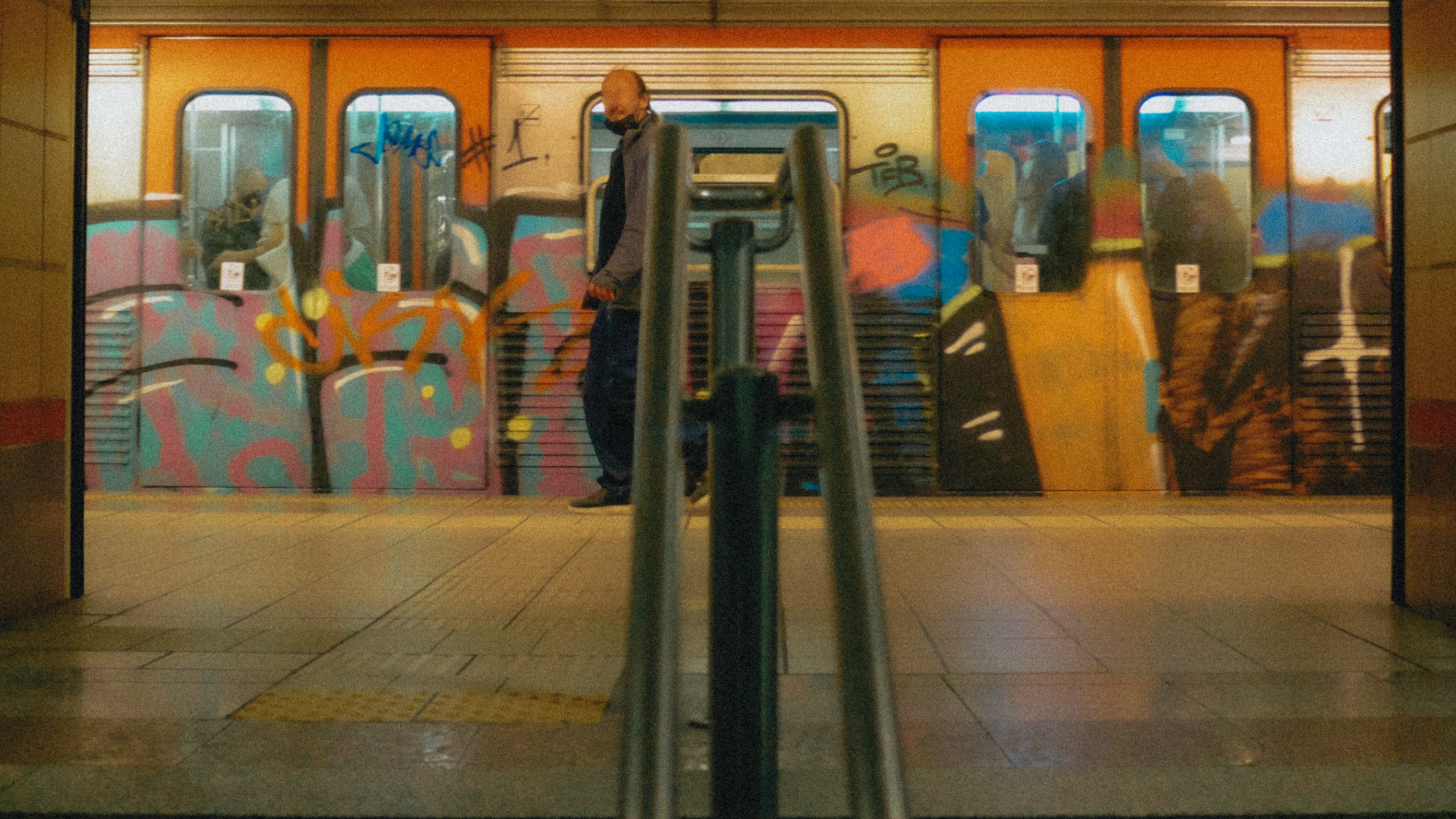
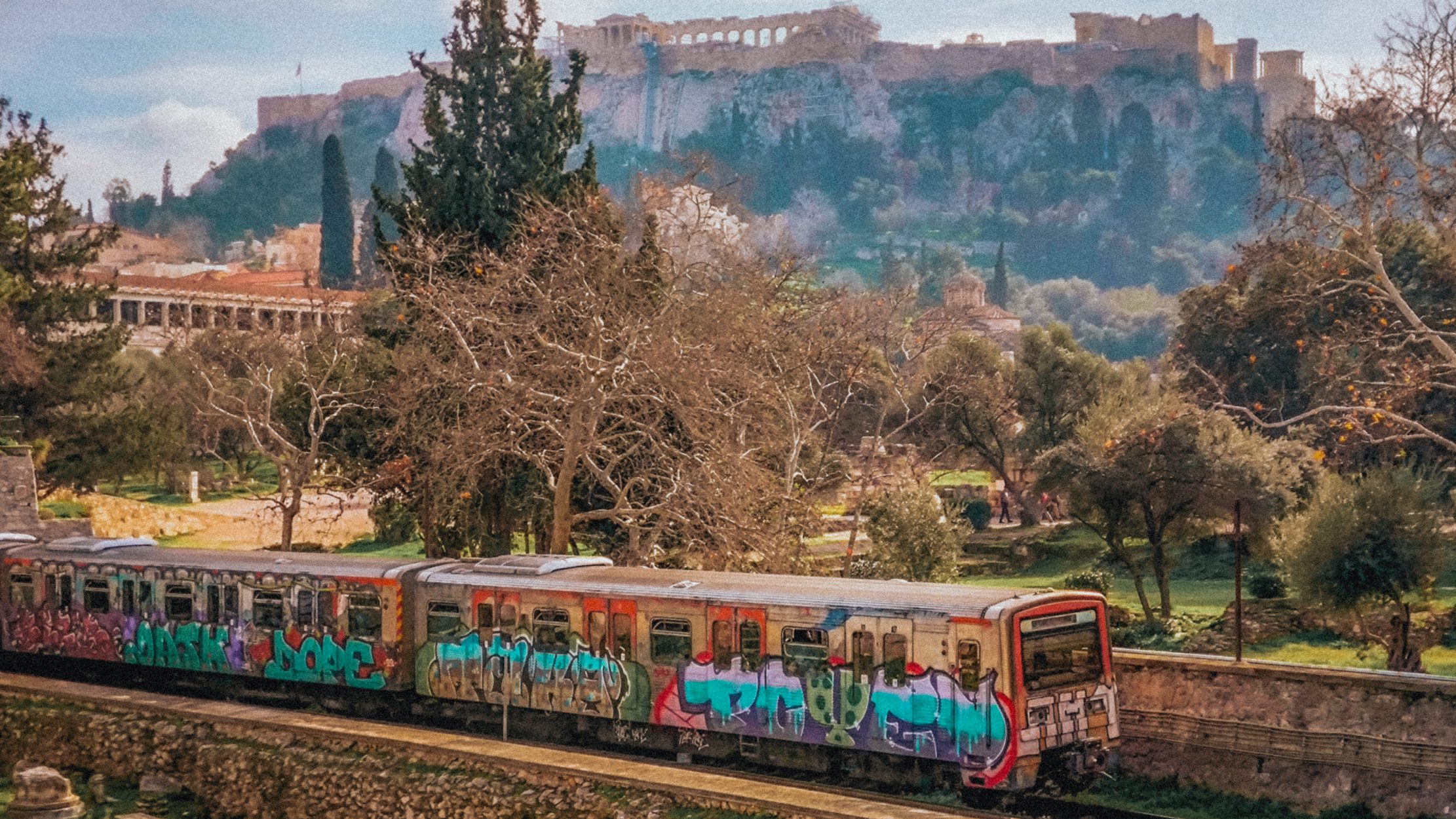
Following the inquiries regarding the upgrade of Line 1 trains, and based on STASY’s update, we were informed as follows:
The project concerns the refurbishment of 14 trains from the 8th delivery batch on Line 1 and is carried out by the Spanish company CAF S.A. on behalf of STASY, following a 2020 tender with contract signed in 2022.
Implementation was affected by a series of international developments, including the Ukraine war, energy crisis, and global supply chain disruptions, significantly impacting equipment production and availability. Delays also resulted from legal disputes between the Volos factory, where part of the project is executed, and CAF.
For all delays, and by Ministry order, STASY imposed penalties on CAF totaling €3.8 million in December 2025, as stipulated in the contract.
The project involves upgrading and gradually reintegrating trains into service. The first refurbished train is expected next month, and after completion of necessary tests, it will enter regular service.
Regarding the choice of refurbishment over purchasing new trains, the evaluation was based on clear economic market data. According to STASY, purchasing new trains is significantly more expensive than refurbishing existing ones. For a six-car trainset, the estimated cost of a new train is €17.4 million (~€2.9 million per carriage).
The total refurbishment cost of a similar trainset is approximately €9.6 million (~€1.6 million per carriage). Refurbishment costs roughly half as much as buying new, allowing fleet renewal at much lower public expense. Market research from upcoming STASY and Elliniko Metro tenders supports these estimates.
The refurbishment option is also faster to implement. Acquiring new trains requires design, production, and testing, taking several years internationally.
The modernization of the 14 trainsets is part of the “Transport 2021–2027” program and funded by EU funds. Refurbishment extends the life of the trains by ~25 years, and car bodies and bogies are reused, promoting circular economy principles.


 What is fyi.news?