Music, dance, cinema, street food and creators come together on Sunday, September 27, at Serafio, in a new festival that aims to reintroduce the Greek panigyri, from 14:00 until midnight.
It is a new independent cultural initiative that takes the concept of the traditional panigyri and brings it into the present day – without simply trying to recreate the past.
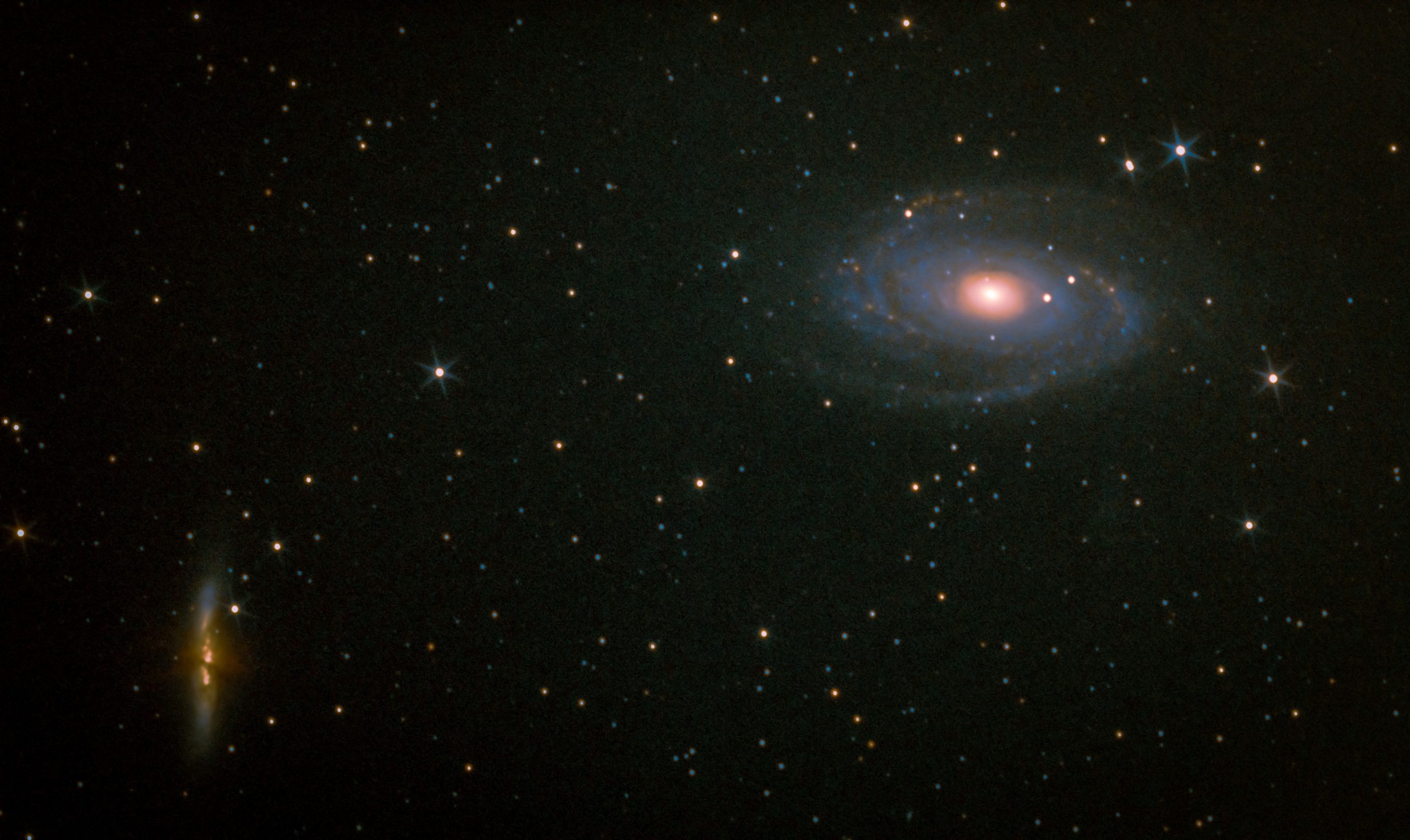
Astronomers may have discovered a new type of astrophysical object, the “black hole star”, which is as large as the entire solar system and shines with a dazzling red light, with the energy usually associated with black holes.
A “black hole” is a huge concentration of matter compressed into a very small space, where its gravity is so strong that not even light can escape.
At the same time, it has characteristics associated with stars, but emits 100 billion times more energy than any known star can produce.
Scientists were using the James Webb Space Telescope to identify the most distant galaxies in the known universe. After succeeding with a galaxy called Mom-z14, which formed just 280 million years after the Big Bang, they turned their attention to other cosmic objects.
In a paper published in the journal Nature, astronomers describe how they focused on an extremely bright red spot, known as MoM-BH*-1, the reddest object in the telescope’s image archive.
Meanwhile, scientists suspect that black hole stars play an important role in the evolution of galaxies. They may even be the “seeds” of today’s supermassive black holes, such as the one at the centre of the Milky Way.
Supermassive black holes are found at the centres of almost all galaxies, including the Milky Way, and are believed to shape their evolution and fate.
Source: Guardian


 What is fyi.news?