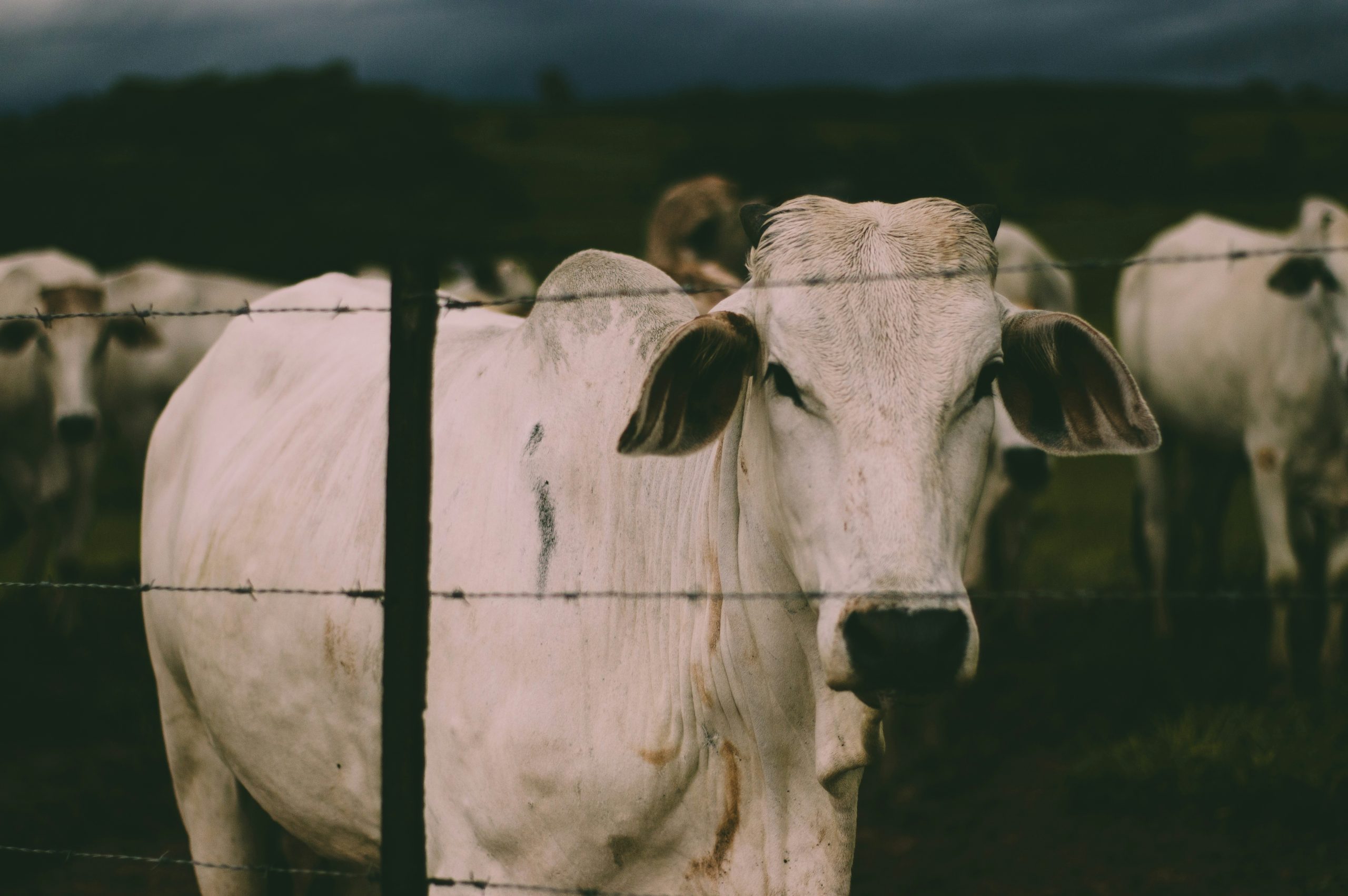
Cow gallstones, one of the rarest and most valuable ingredients in traditional Chinese medicine (TCM), have become so expensive that they can cost up to $5,800 per 30 grams—twice the price of gold, according to a report by the “WSJ“.
They are used to treat strokes, hypertension, and obesity, conditions that are now widespread in China after half a century of rapid growth and changes in dietary habits.
The growing demand for gallstones has sparked a global search across the leading beef-producing countries, from Texas and Australia to Uruguay and Brazil, the world’s largest beef exporter.
The traditional Chinese medicine industry is valued at $60 billion per year and is a major driver of the increase in wildlife smuggling.
The sale of such stones is not illegal in Brazil, but their smuggling flourishes as gangs and armed groups battle each other to evade taxes, acquisition restrictions, and challenges in transporting them to Hong Kong, Shanghai, and Beijing.
Imports of stones from Hong Kong nearly tripled in value, rising to $218.4 million in 2023 from $75.5 million in 2019. Brazil was the largest supplier to Hong Kong in 2023, accounting for two-thirds of the total exports, followed by Australia, Colombia, Argentina, the U.S., and Paraguay.
The traditional Chinese medicine industry now exceeds $60 billion per year, and according to environmental organizations, it plays a significant role in the rise of wildlife smuggling, with parts of these animals (e.g., rhino horns) being used in the production of medicinal products.


 What is fyi.news?