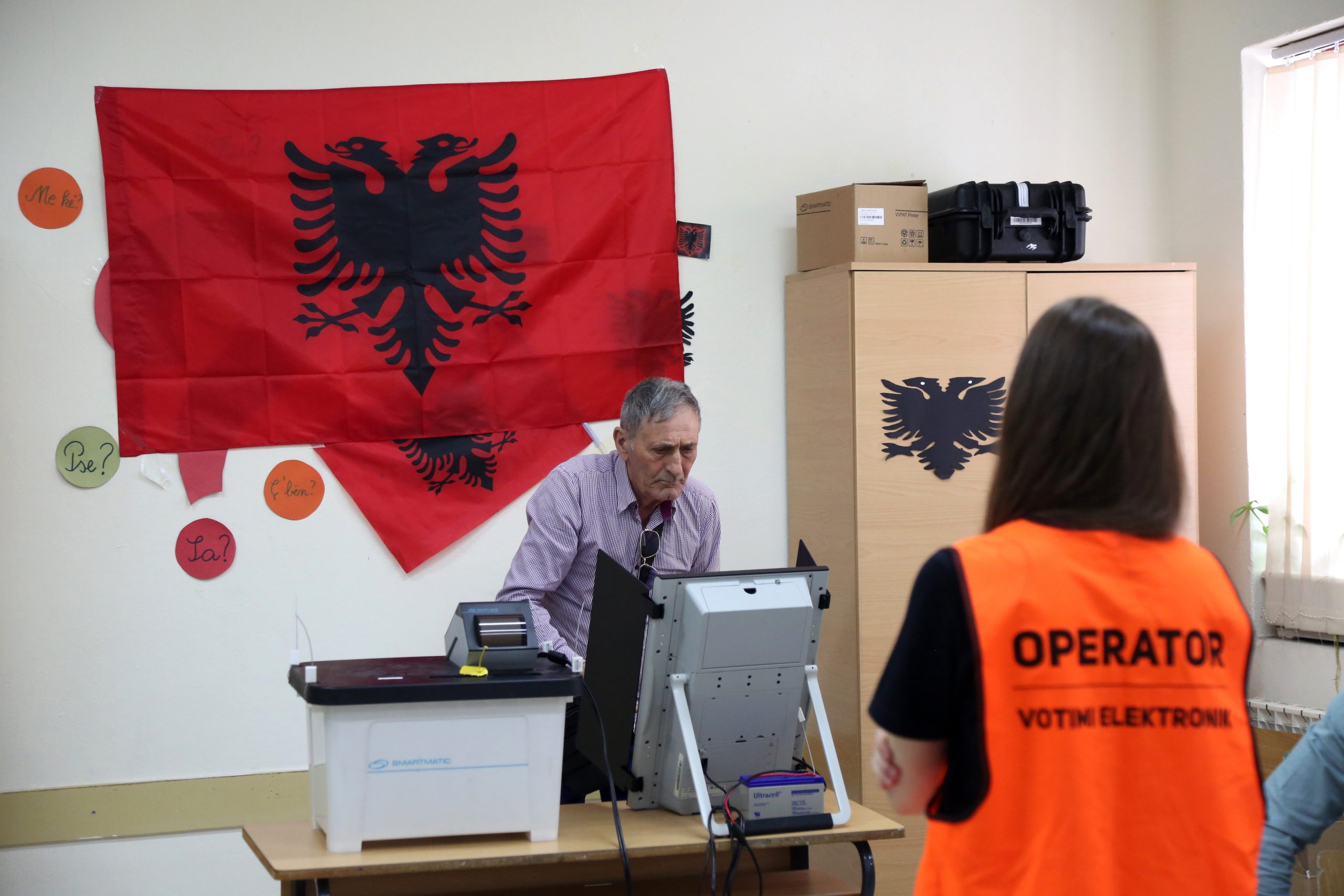
On Sunday, parliamentary elections were held in Albania, with Prime Minister Edi Rama vying for a fourth term following a campaign focused on promises of EU membership and mutual accusations of corruption.
Rama, leader of the Socialist Party (PS), which has been in power since 2013, is the frontrunner against former Prime Minister Sali Berisha of the Democratic Party (PD). In the week leading up to the elections, Rama reiterated his pledge to secure Albania’s EU membership by the end of the decade, though some experts doubt whether this timeline is achievable, according to Reuters.
Some indicators suggest that the 12-year tenure of the prime minister has been positive: the country’s annual economic growth is projected to exceed 4% for the period 2022-2024, driven by increased trade with the EU and a boost in tourism, according to the World Bank. However, corruption remains a significant issue, with criminal organizations making billions of euros through illicit drug and arms trade, which they launder in Albania, experts say.
Approximately 246,000 Albanian citizens living abroad were eligible to vote for the first time in yesterday’s parliamentary elections.
Opposition to Rama has intensified over the past year due to the perception that he is suppressing his political opponents, including Berisha, according to Reuters, while Rama himself has faced a series of scandals. These include the arrest of his ally, Tirana mayor Erion Veliaj, this year, on charges of corruption and money laundering.
The election results will be announced tomorrow, and according to exit polls, the PS leads with 51.8%, while the PD follows with 38%, electing 79 and 54 MPs, respectively.


 What is fyi.news?