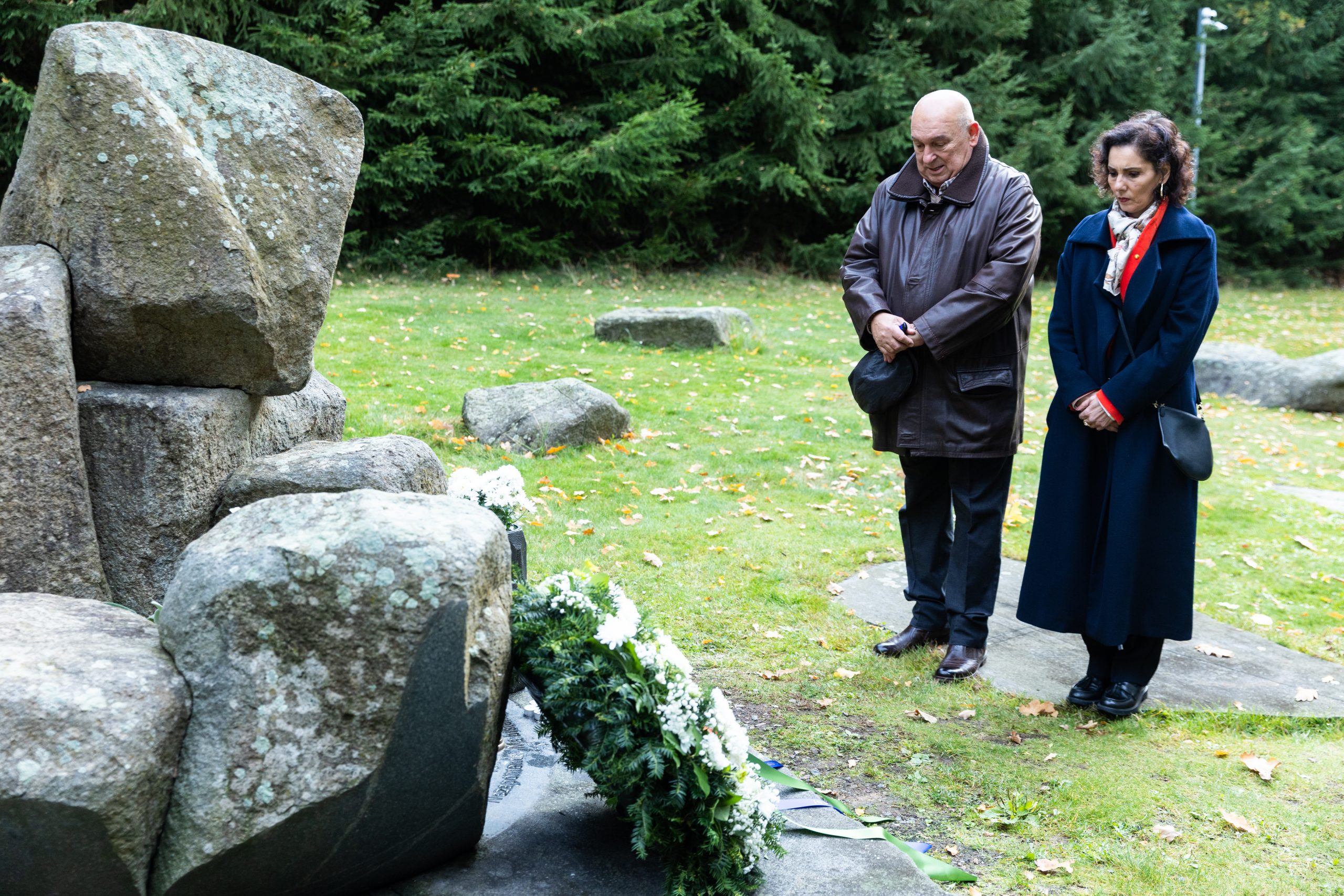
In Lety u Písku, in southern Bohemia, 1,294 names are inscribed on a stone circle. They belong to Roma and Sinti families imprisoned there under the Nazi regime. At least 335 people died in the camp, while hundreds more were sent to Auschwitz.
When I visited last month to honor the victims, I read the names of children who never reached school age. Near the graves, an older stone bears two words in Romani: Ma bisteren. Do not forget.
“Europe’s forgotten people.” That is how the Roma are often described. Yet they number between 10 and 12 million, more than the population of many EU countries, and their history is often overlooked. Their language is still spoken from the Balkans to the Baltic, while their rich traditions of music, dance, storytelling and craftsmanship have become part of Europe’s own cultural heritage.
The Roma have also endured centuries of persecution and forced assimilation, culminating in the darkest chapter of all: the Nazi genocide of the Roma. Lety is one of the scars it left behind. We remember so that it never happens again.
Lety is one of the scars it left behind. We remember so that it never happens again.
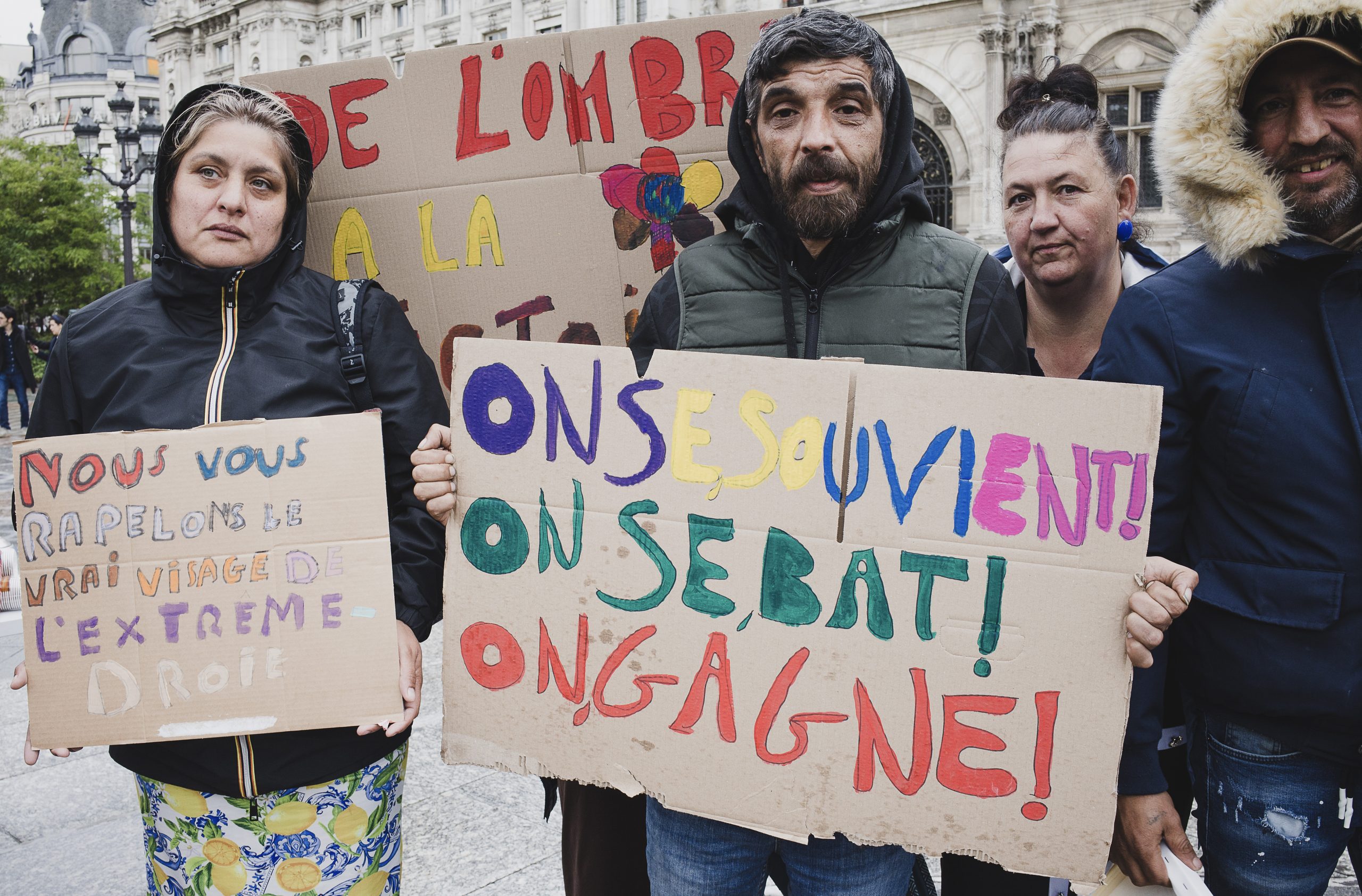
The Union of Equality must be felt in every home, from city centers to the most remote neighborhoods. For many Roma, that equality remains out of reach. Anti-Roma discrimination is still part of everyday life.
Since my first day as Commissioner, my goal has been simple: every European should find an open door and be able to walk through it. For many Roma, that door remains half-closed. It is the job interview that never leads to a callback. The apartment that is suddenly “rented” as soon as the landlord hears a name. The girl placed in a separate classroom before anyone has had a chance to see what she can do. These barriers leave no visible marks, but their effects can last a lifetime.
Under the EU Roma Strategic Framework, the EU has set clear targets for 2030: ending discrimination and poverty, and ensuring equal access to education, employment, healthcare and housing. This week, we are publishing our third report on the progress made.


 What is fyi.news?