The result
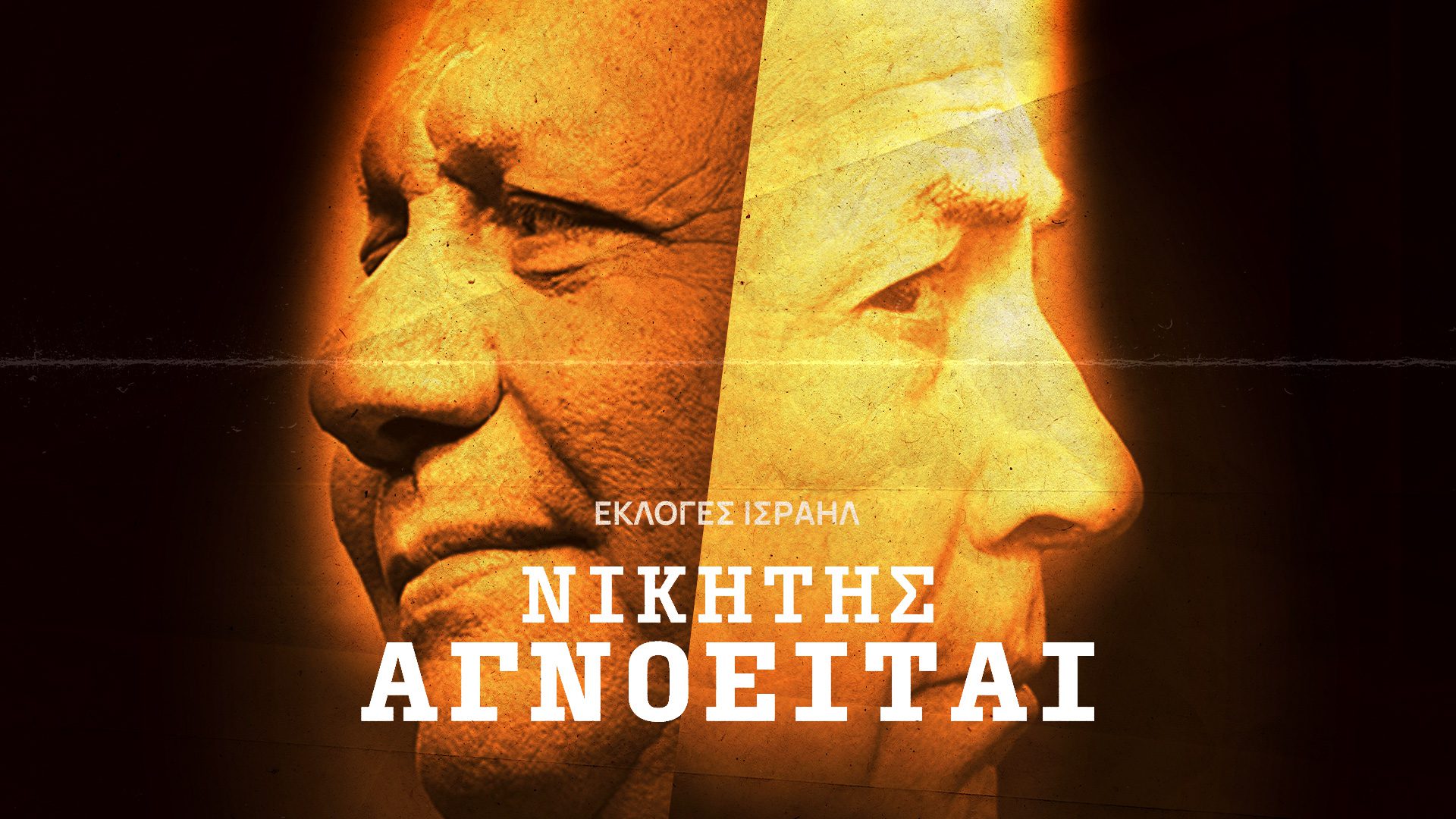
Israel is entering a period of political uncertainty after the elections failed to produce a clear winner between the coalitions led by Benjamin Netanyahu and his rival, Gadi Eisenkot.
With nearly 86% of votes counted, Netanyahu’s coalition of right-wing, far-right and ultra-Orthodox parties is projected to win 53 seats in the 120-member Knesset, compared with 48 for Eisenkot’s bloc.
Parties representing Arab Israelis are expected to win a record 19 seats, up from 10.
What does this mean?
Both sides will need support from outside their respective coalitions to form a government and secure the premiership.
For Eisenkot in particular, the result leaves no realistic path to power without the support of Arab parties, a move that could come at a significant political cost.
Voter turnout reached 77.7%, the highest since 1999, and was particularly high among Arab Israelis.
What happens next?
Netanyahu will remain caretaker prime minister during negotiations to form a government, potentially until new elections are held.
Israeli President Isaac Herzog urged the parties to “do everything possible” to form a government and avoid another election.
As head of state, Herzog will first give the mandate to form a government to the candidate he believes is most likely to secure a parliamentary majority.
What is a mandate to form a government?
The president gives candidates the opportunity to determine whether they can form a government that commands the confidence of parliament.
If the first candidate fails to secure sufficient support, Herzog can give other candidates the opportunity to try.
If those efforts also fail, new elections will be held.
The five scenarios, from most to least likely
-
New elections
If neither bloc manages to secure the 61 seats required for a majority in the Knesset or form a minority government in the coming weeks, Israel will return to the polls.
In that case, new elections would most likely be held next year.
-
Netanyahu government
Netanyahu would need to persuade right-wing parties within Eisenkot’s coalition to cooperate with him.
This would give him enough seats to form a government.
The parties in Eisenkot’s coalition range from the centre-left to the hard right.
-
Minority government led by Eisenkot
Although potentially unstable, a minority government that remains in power with the tacit support of other parliamentary parties is a possibility.
To sustain such a government, Eisenkot would need to build alliances with different political forces on different issues.
-
Eisenkot–Arab parties coalition
Despite explicitly ruling out such an arrangement during the election campaign, Eisenkot’s bloc could form a governing coalition with Arab parties.
Arab Israeli parties have not ruled out this possibility, although most Jewish political leaders have avoided formal alliances with Arab parties since Israel’s founding.
Such an alliance could give the parties opposed to Netanyahu 67 of the Knesset’s 120 seats.
-
National unity government
Despite opposing each other during the election campaign, Benjamin Netanyahu’s Likud and Gadi Eisenkot’s Yashar could decide to join forces and form a government.
Who are the Arab parties?
These parties represent Arab Israelis, Israelis of Palestinian origin who account for more than one-fifth of the country’s population.
They include the conservative Ra’am party (Hebrew for “United Arab List”), projected to win seven seats, and the Joint List, a radical left-wing alliance projected to win 12.
Sources


 What is fyi.news?