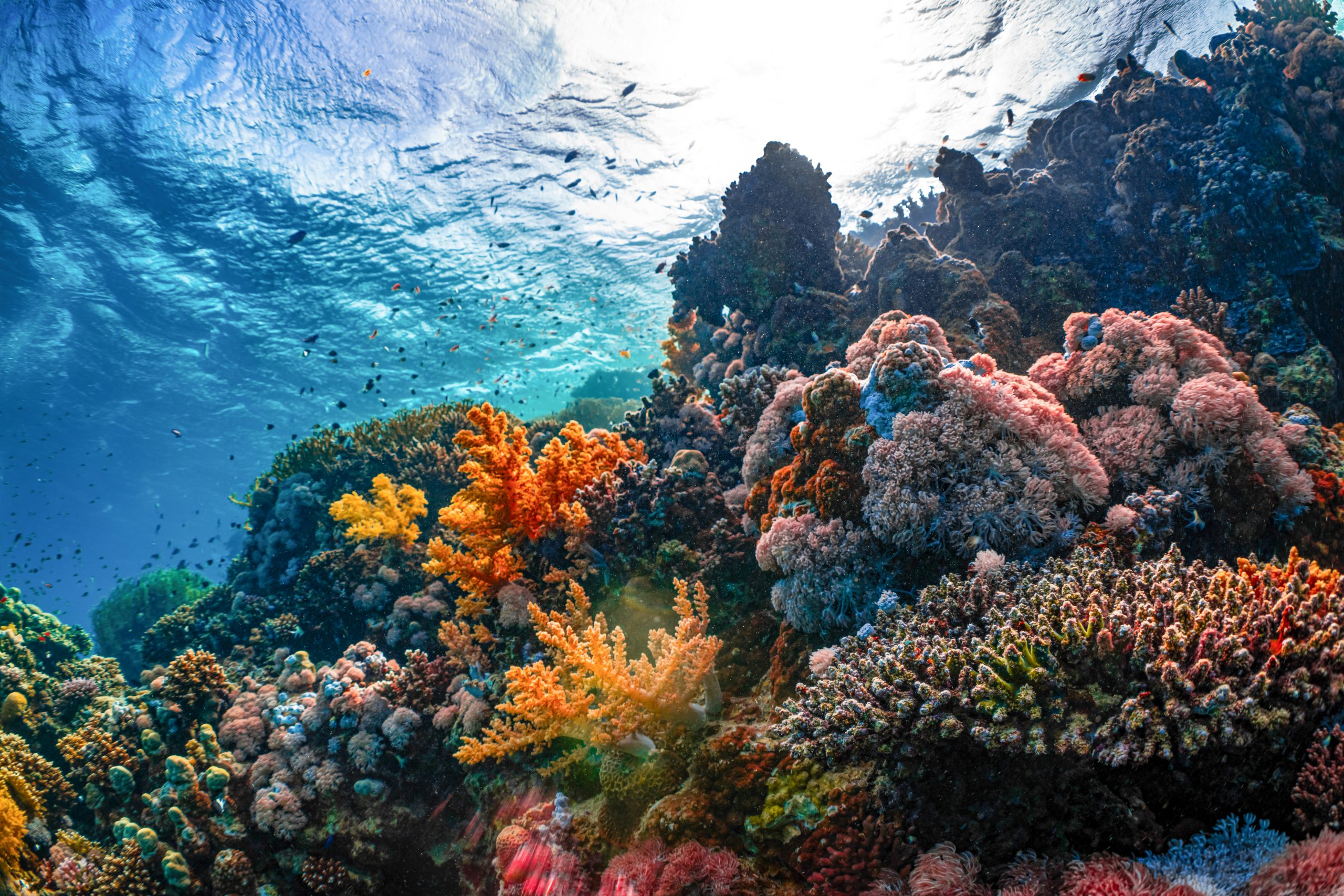
A report has found that global coral reef cover was 9.5% lower between 2020 and 2024 compared with the 1980-2009 period. The largest annual decline in coral ever recorded occurred in 2024, affecting 87% of reefs worldwide.
The decline is linked to marine heatwaves, which cause coral bleaching. When the water becomes too warm, corals expel the colourful algae that provide them with 90% of their energy. As a result, they lose their colour and become more vulnerable to disease.
Bleached corals do not die immediately and can recover, but they need time. If the water around them remains too warm for too long, they die.
Coral reefs protect coastlines from storms and support at least a quarter of marine life at some stage of its life cycle.
More concerning, however, is that bleaching is now happening more frequently, leaving corals with less time to recover.
Historically, global coral bleaching events occurred roughly once a decade. Since 2010, however, they have been occurring every four to six years, according to the report.
Meanwhile, the global average sea surface temperature reached a record high of 21.1°C last week, surpassing the previous record set in 2024, according to the Copernicus Climate Change Service, the European Union’s climate monitoring service.
Source: The New York Times


 What is fyi.news?