Data from Labour Inspectorate inspections in 2025 reveal a pattern of underreported employment that allows businesses to artificially reduce labour costs. As a result, undeclared and underreported work continue to be structural features of the labour market rather than temporary phenomena, according to a report by Kathimerini.
In 2025, authorities carried out 82,233 inspections, resulting in 19,093 sanctions, more than 2,500 criminal complaints, and fines totaling nearly €54 million. The findings suggest that violations of labour legislation are increasingly taking different forms, but all ultimately serve the same purpose: concealing actual working hours and the true cost of labour.
In 2025, a total of 1,572,294 part-time or rotating-shift employment contracts were recorded, with nearly one in two new hires involving a flexible form of employment.
The most common violation involved the non-use or improper use of the digital work card system, with 2,994 recorded cases. This was followed by working-hours violations with 2,332 cases, non-payment of earned wages with 1,410 violations, and undeclared employment with 1,372 cases.
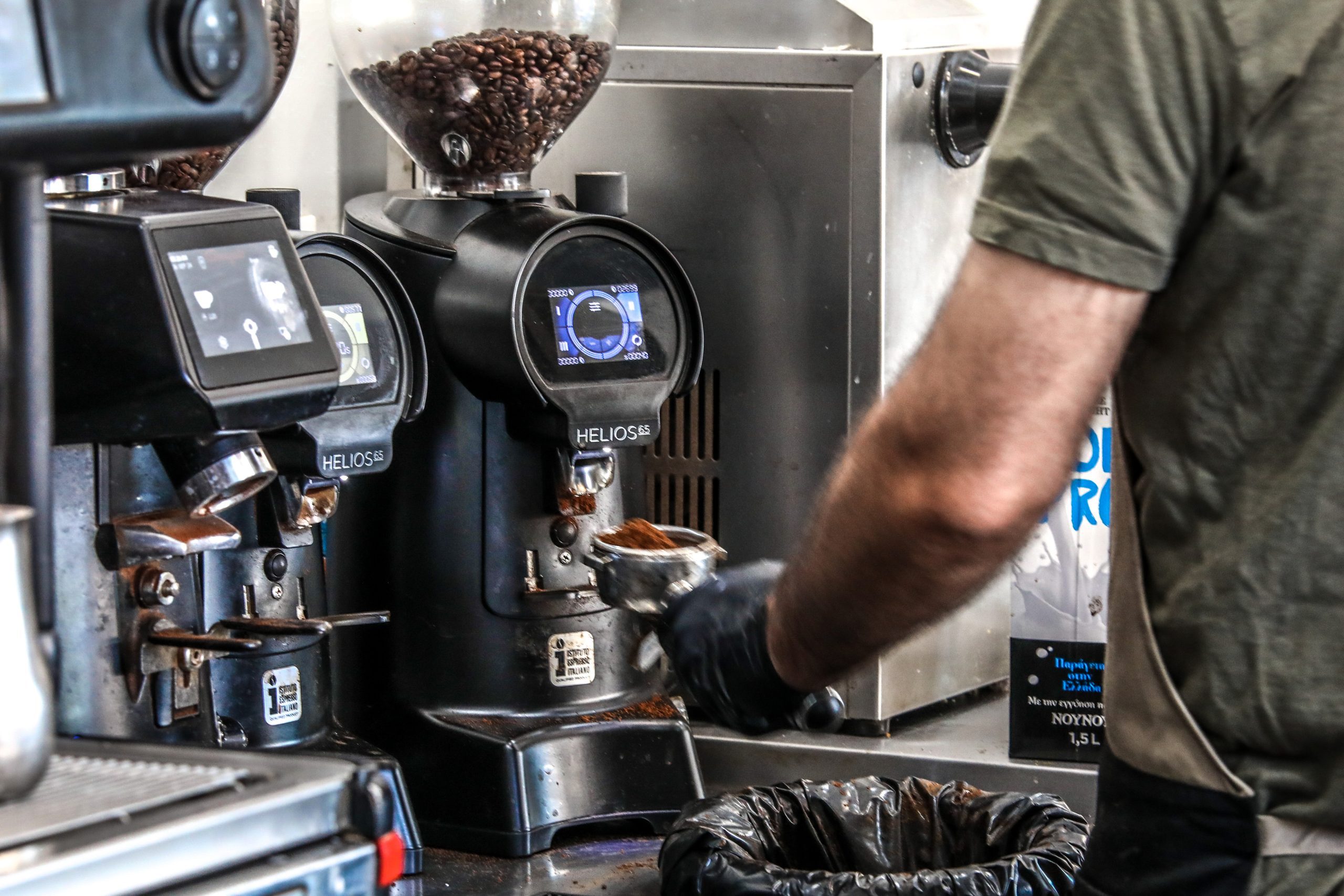
The food service sector ranked first by a wide margin in both fines and criminal complaints. A total of 12,415 inspections were conducted in the sector—more than one in four labour-relations inspections carried out during the year—and 4,279 sanctions were imposed.
Retail trade ranked second with 1,649 sanctions, followed by transportation and accommodation services. In particular, the rate of non-compliance in land transportation remains exceptionally high, mainly due to issues related to working hours and overtime employment.
Source: Καθημερινή


 What is fyi.news?