(fyiteam)

Why Is Polycystic Ovary Syndrome (PCOS) Being Renamed?

Add your Headline Text Here
@fyinews team

29/05/2026

Copy link
fyi:
  • What is Polycystic Ovary Syndrome (PCOS)?
  • What are the symptoms?
  • What causes it?
  • Something is missing from the symptoms. Oh right—the ovaries.
  • What is the new name?
  • How will the name change help?
  • Hopes for the future
  • Sources

What is Polycystic Ovary Syndrome (PCOS)

(fyiteam)

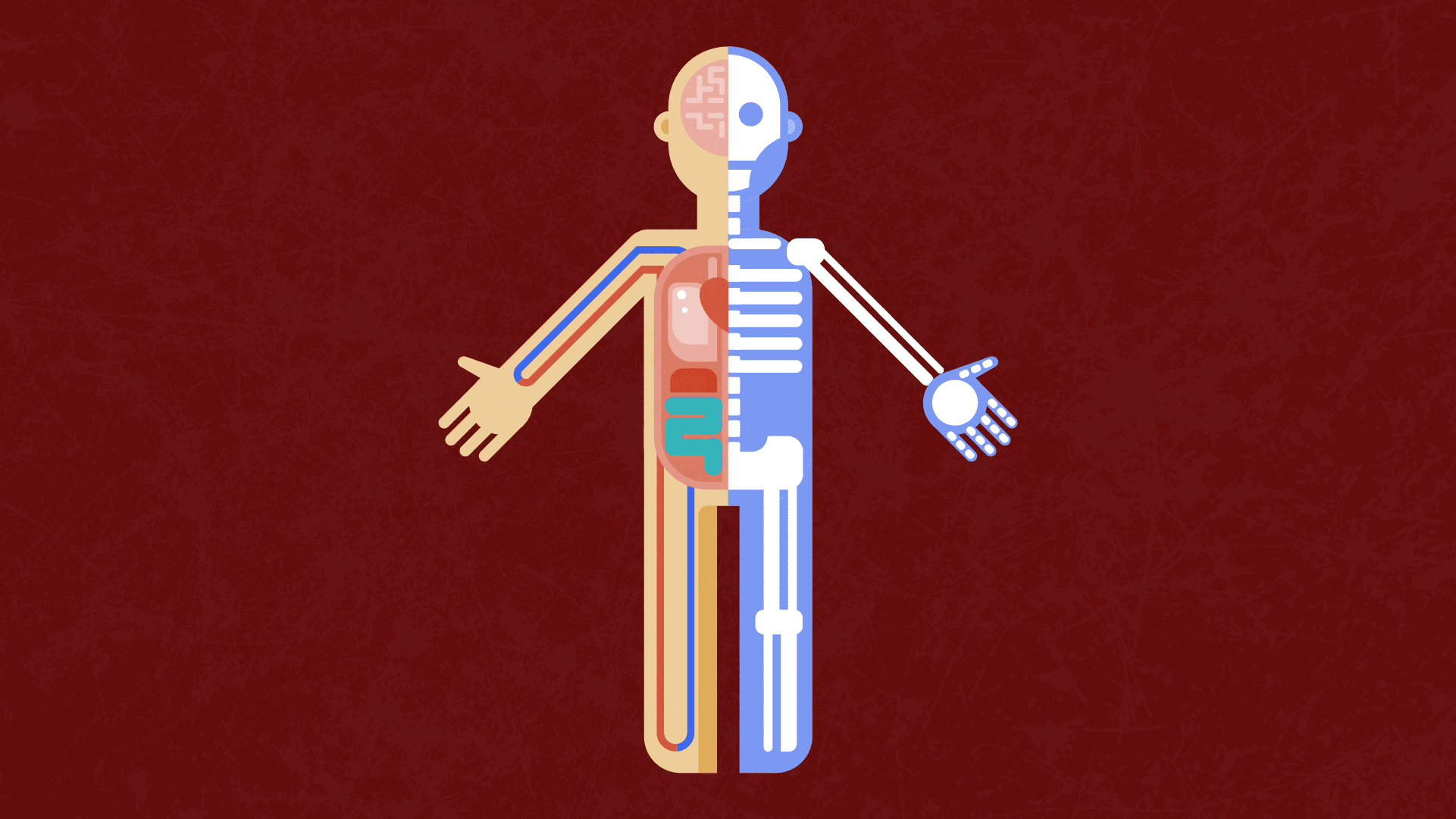
Polycystic Ovary Syndrome (PCOS) is a complex hormonal and metabolic disorder that affects the entire body of people with a uterus.

There is no single known cause. Instead, it is believed to result from a combination of genetic and environmental factors, including heredity.

Approximately 1 in 8 women—around 170 million people worldwide—are affected by the condition.

What are the symptoms?

(fyiteam)

Symptoms may include:

  • Irregular periods or the absence of periods
  • Acne
  • Excess hair growth (hirsutism)
  • Difficulty managing weight
  • Insulin resistance
  • Fatigue
  • Metabolic issues (such as abnormal cholesterol or blood sugar levels)
  • Fertility problems

However, the condition can also affect cardiovascular health and mental well-being.

What causes it?

(fyiteam)

For many patients unfamiliar with the condition, its name incorrectly suggests the presence of ovarian cysts, even though this is not necessarily a defining feature of the disorder.

The “cysts” seen on ultrasound scans are not actually cysts. They are immature eggs (follicles) that have not developed properly and therefore create an appearance that resembles cysts.

When the condition was first named in 1935, however, doctors mistakenly believed it was primarily an ovarian disorder. As a result, the name persisted for decades despite advances in scientific understanding.

Something is missing from the symptoms. Oh right—the ovaries.

For many patients unfamiliar with the condition, its name incorrectly suggests the presence of ovarian cysts, even though this is not necessarily a defining feature of the disorder.

The “cysts” seen on ultrasound scans are not actually cysts. They are immature eggs (follicles) that have not developed properly and therefore create an appearance that resembles cysts.

When the condition was first named in 1935, however, doctors mistakenly believed it was primarily an ovarian disorder. As a result, the name persisted for decades despite advances in scientific understanding.

What is the new name?

(fyiteam)

After more than a decade of international consultations and the involvement of 56 organizations, the condition’s name has officially been changed, as announced in a publication in the scientific journal The Lancet.

Going forward, it will be known as PMOS (Polyendocrine Metabolic Ovarian Syndrome), reflecting its broader endocrine and metabolic nature.

How will the name change help?

(fyiteam)

Experts believe that the previous name contributed to delayed diagnoses, fragmented care, and social stigma.

With the new terminology, they hope to prevent the endocrine and metabolic aspects of the condition from being overlooked and to move away from portraying it as merely a “gynecological disorder,” when in reality it affects the entire body.

Hopes for the future

(fyiteam)

Additionally, experts hope that the name change will bring greater visibility to the condition, which has remained underdiagnosed for decades.

They also believe it could pave the way for increased research funding—particularly into its metabolic and endocrine effects—as well as support efforts to develop a cure, which has yet to be found.

Sources

Guardian

The New York Times 

Endocrine Society

AD(1024x768)