(EUROKINISSI)

Beach auctions: who stands to gain and who gets squeezed

Add your Headline Text Here
@fyinews team

23/04/2026

Copy link
fyi:
  1. The process of leasing beaches through the Ministry of Finance’s online platform has now concluded for this year as well, covering around 3,250 concessions.
  2. Two years after the relevant law was passed, the landscape has changed significantly—not only in the way beachfront areas are leased, but also in the balance of power within the hospitality and tourism markets.
  3. Business owners who were required for the first time this year to take part in the electronic auctions speak to fyi.news about the changes the new system has brought to their businesses and express concerns about the future.

By Anastasis Koutsogiannis

March 31 was the deadline for participation in the program of electronic auctions for the concession of simple use of shoreline and beach areas, through which around 3,250 auctions had been scheduled nationwide, according to data from the Ministry of Finance.

Two years after the passage of the law that established electronic auctions as the exclusive method for granting “free shoreline sections,” the landscape has changed noticeably—not only in how coastal areas are leased, but also in the dynamics of the hospitality and tourism markets.

Business owners who were required for the first time this year to participate in electronic auctions, after their three-year contracts expired, found themselves facing a new reality.

On the one hand, they express relief, as the time they gained is valuable for properly organizing and preparing for the upcoming season. On the other hand, they say they are worried, as competition is growing, new players are entering the market, and over time the online auctions are expected to work in favor of stronger players.

The aim of the Ministries of Finance and Digital Governance was to create a platform that would ensure transparency, speed, and the integrity of auctions—a process that until recently had been handled by municipalities.

Early organization

(ΕUROKINISSI)

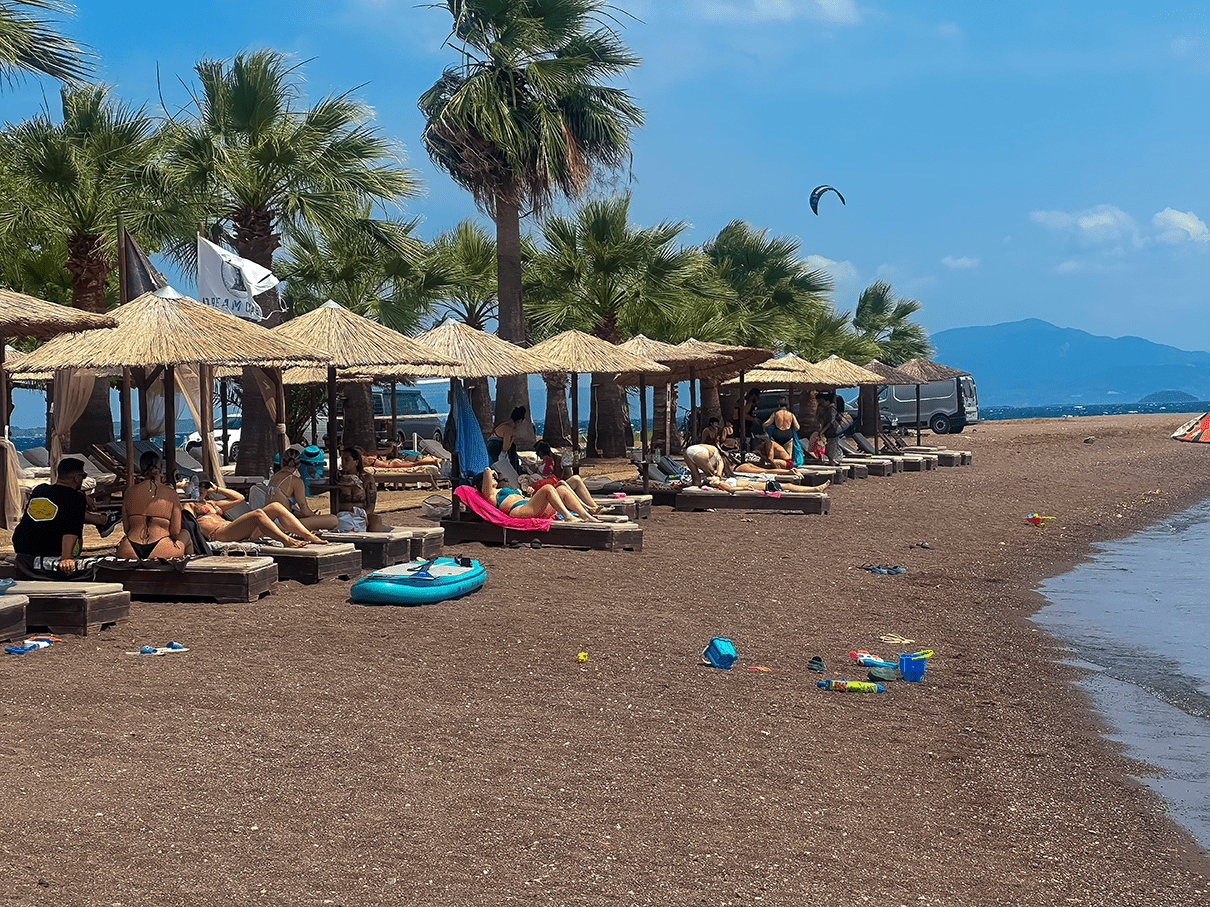
One positive aspect of the new system is that the auctions were held early (during March), which means we now have time to organize ourselves,” a beach bar owner on Tinos told fyi.news.

This year, all auctions were carried out exclusively by the Property Services, allowing business owners to “lock in” the sections they were interested in and giving them more time to prepare, well before the start of the tourist season.

Under the previous system, the process was time-consuming and involved many public agencies, leading to delays and lost revenue.

“By the time municipalities completed the auctions, it was already July. That meant we had already lost half the season. If you dared to open your business before the lease contract had been issued, you were operating illegally and risked a fine. Many of us had also already hired staff from June who were essentially not working,” he explains.

“The financial damage was significant,” he stresses.

“The road is opening for the big players”

(EUROKINISSI)

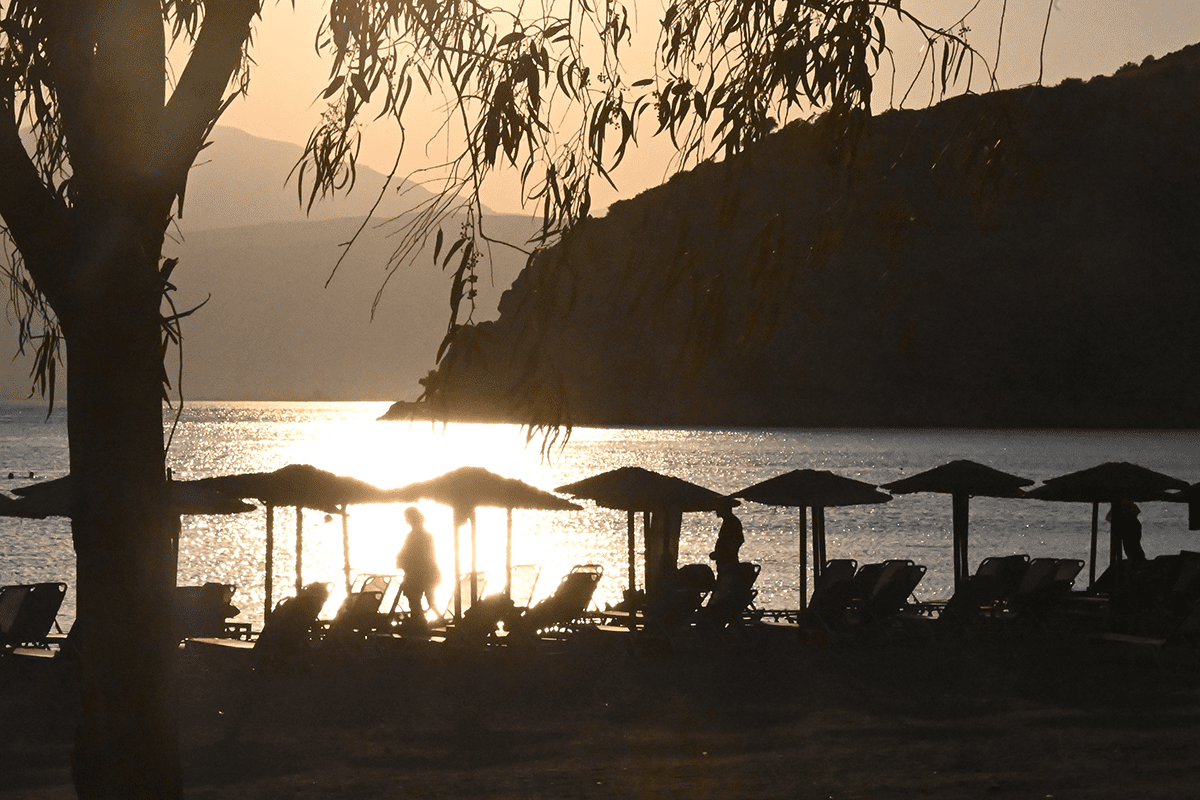
One of the most significant changes brought by electronic auctions is the bidding system. All interested parties can monitor the progress of the auction in real time, constantly seeing whether their offer keeps them in or out of the “game.”

However, the auction takes place without participants knowing the actual amounts offered by others.

The only information displayed is the ranking position of their bid, which often leads to repeated increases and intensifies competition.

“The electronic auction system is open to everyone, so anyone, wherever they are, can log in and bid on a beach at whatever price they want,” explains a beach bar owner on Andros.

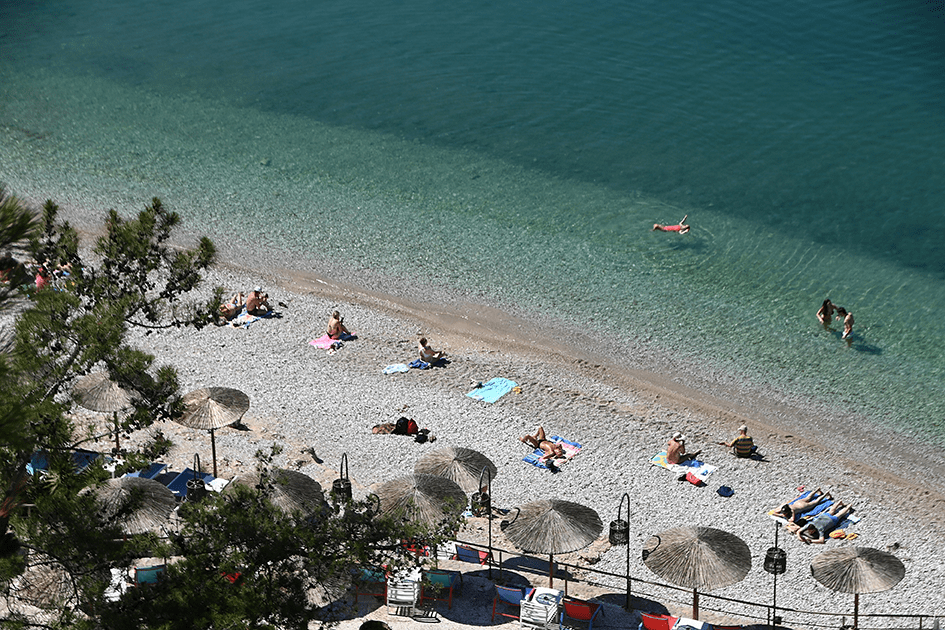
The opening of the market has led to extreme prices, such as nearly €500,000 paid to lease a 500-square-meter section of Lia Beach, or €209,000 for Psili Ammos Beach, which had a starting price of €18,000 for three years.

Although such prices are not the norm, they make participation extremely difficult for smaller entrepreneurs, since the short tourist season and high operating costs make it impossible for them to compete.

Starting prices were, in some cases, lower than before. However, the fact that bid amounts are not shown, the ease of participation (only a bank guarantee letter is required), and the absence of any ceiling create insecurity for small business owners, because they do not know how far others may go.

“€18,000 may be a huge amount for me, but for an entrepreneur from Thessaloniki it may be very little, so they might jump straight in at €60,000. We have no visibility, and that is very damaging for us,” explains the entrepreneur from Andros.

“The previous process favored the local entrepreneur, because companies from outside the island were unlikely to send a representative to take part,” adds the businessman from Tinos.

“For small entrepreneurs on islands, this means they are now competing not only with fellow islanders, but also with larger investment groups or companies with greater liquidity,” he concludes.

The reduction of municipal powers

(EUROKINISSI)

Another point causing concern is the reduction of local government authority. Under the previous system, municipalities and local services had substantial involvement in the process.

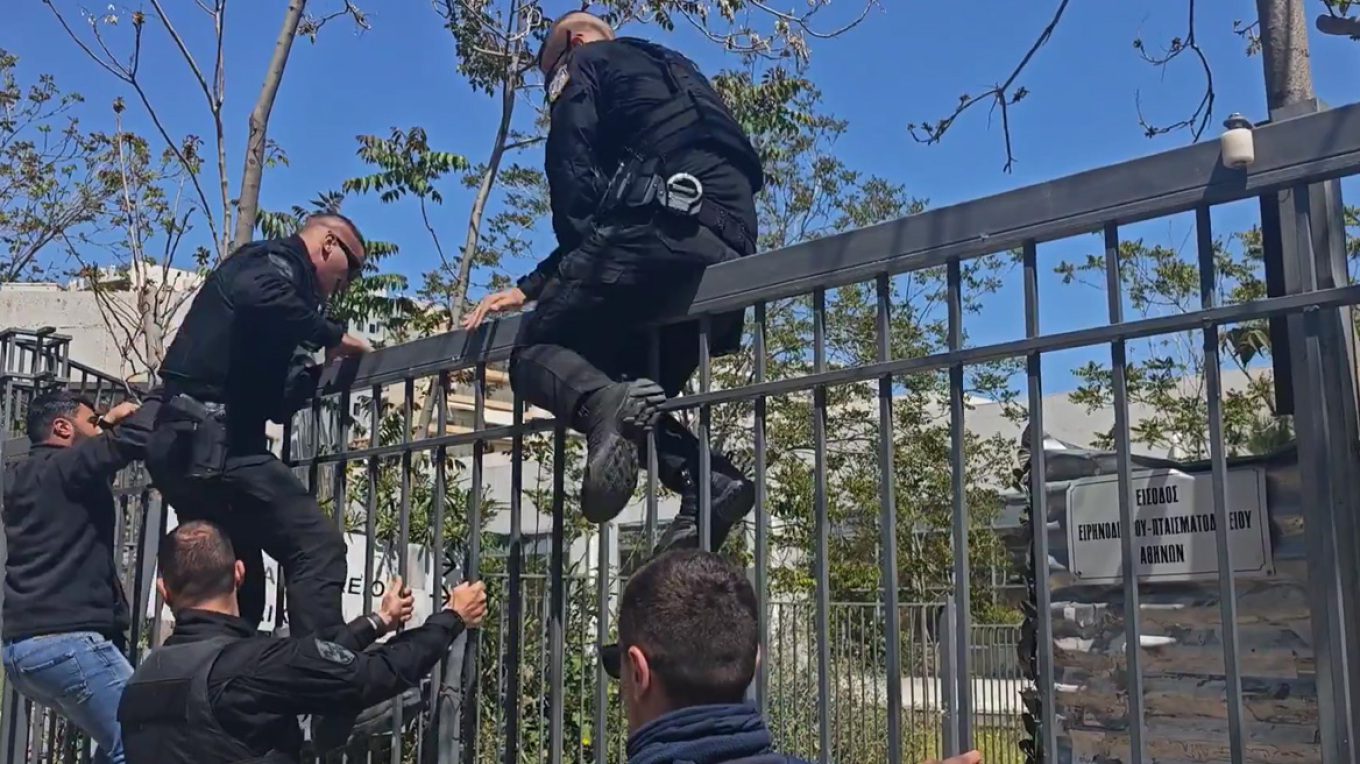
Although the state will continue to allocate 60% of concession fees to municipalities, their role now appears more advisory. Key decisions are taken centrally by the Property Services, which will decide which beaches can be put up for auction.

“There was a case where the Municipality of Kythnos refused to lease a section of beach on the island because it was protected, but the Piraeus Property Service overturned the decision,” says the businessman from Tinos.

“On Andros, there are beaches that form part of archaeological sites. Under the previous system, the municipality had to obtain approval from the Archaeological Service before leasing them. Under the new system, these procedures were eliminated, and whatever obstacles municipalities once placed on the commercial use of protected beaches can essentially no longer be imposed,” says the entrepreneur from Andros.

“Those of us who have worked in this sector for years understand that the government was looking for a way to remove the old -possibly smaller- players and bring in new, larger ones. Electronic auctions were a good start,” concludes the businessman from Tinos.

AD(1024x768)