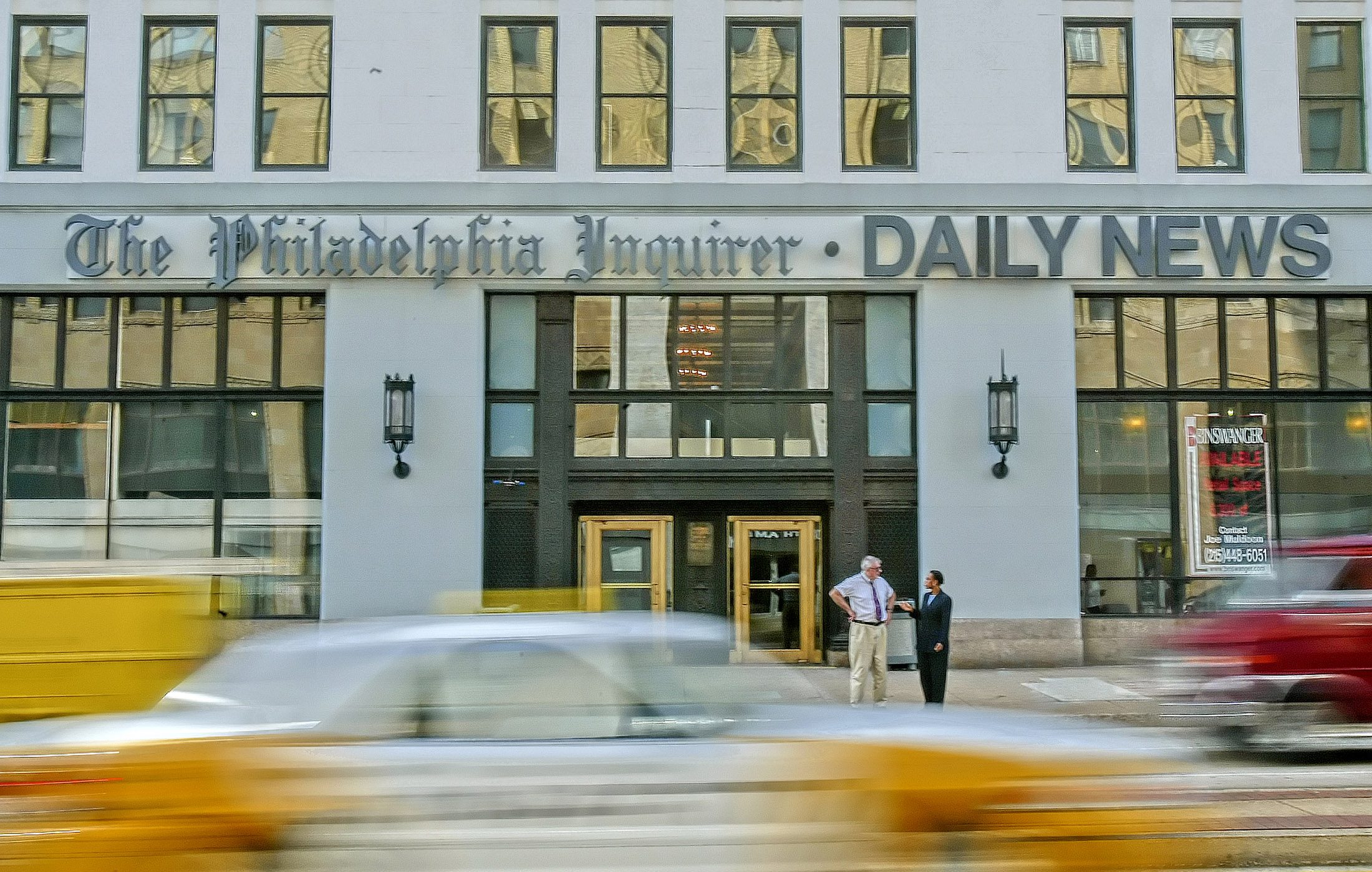
The American newspapers Chicago Sun-Times and Philadelphia Inquirer published a supplement with summer reading recommendations. However, some columns included AI-generated content, resulting in the publication of non-existent books and titles.
The supplement, published by the Sun-Times on Sunday and the Inquirer on Thursday, was compiled by King Features, a service of the media company Hearst that produces comics, puzzles, and free content.
Many readers pointed out that excerpts were attributed to experts and professors who either do not exist or have no significant online presence. Similarly, some articles in the supplement contained excerpts that, according to social media experts, could not be found online.
The fake books included: “Tidewater Dreams” by Isabel Allende and “The Last Algorithm” by Andy Weir.
The special section “2025 Summer Reading List” recommended not only fake books like “Tidewater Dreams” by Isabel Allende and “The Last Algorithm” by Andy Weir, but also fictional titles by authors such as Brit Bennett, Taylor Jenkins Reid, Min Jin Lee, and Rebecca Makkai.
The Inquirer removed the content from its website and called it a serious mistake, while the editor of the supplement admitted there was “no excuse” for not double-checking the texts.
Many media outlets rely on AI, risking the publication of low-quality reports and incorrect information, as AI models often do not rely on online sources, according to the Washington Post.


 What is fyi.news?