(fyiteam)

Kneecap shows the link between rap and politics

Add your Headline Text Here
@fyinews team

03/04/2025

Copy link
fyi:
  • The “Kneecap” phenomenon
  • The film that made them widely known
  • Why Irish?
  • “Get the Brits out”
  • Why is rapping in Irish in Belfast a political stance?
  • Wait, Ireland and Northern Ireland are two different things?
  • What’s the deal with Northern Ireland?
  • The civil war ended, but the demand for a “Free Ireland” remains
  • C.E.A.R.T.A.

The "Kneecap" phenomenon

(fyiteam)

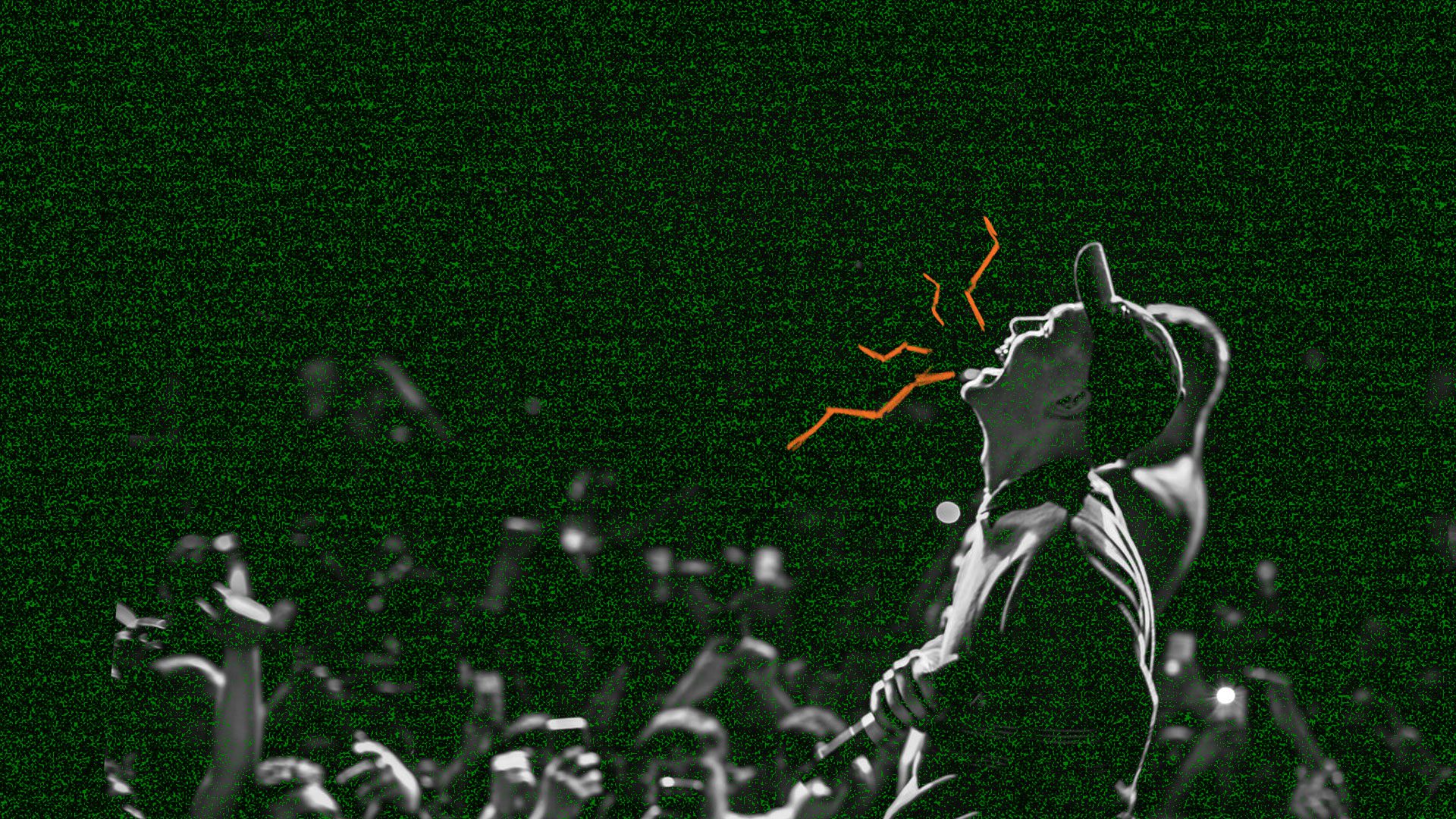
“Tiocfaidh ár lá, get the Brits out lad!”
You might be wondering what language the lyric is in until the clear “get the Brits out lad!”

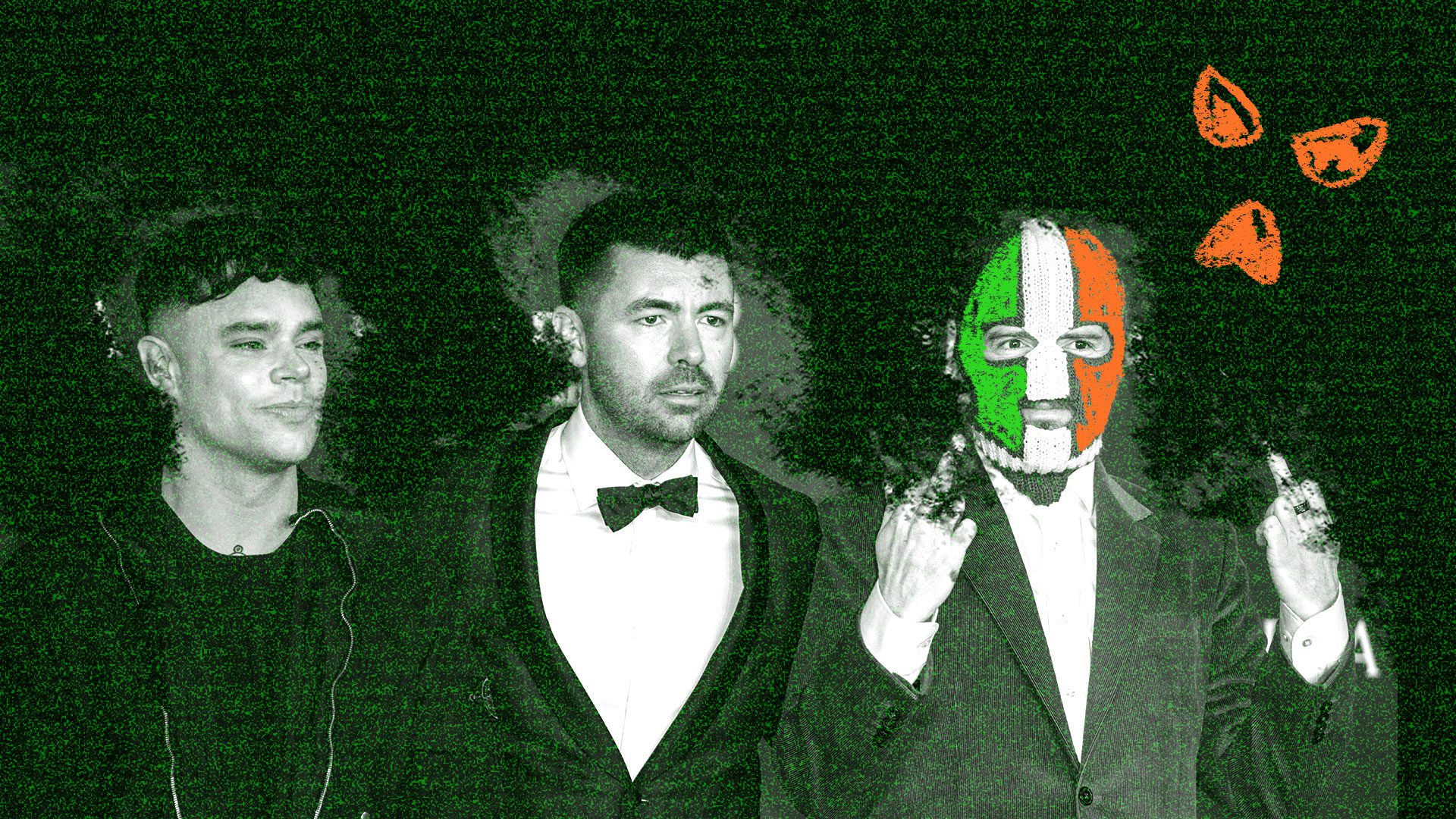
Unless you’ve seen the movie “Kneecap,” about the rap group from Northern Ireland (or Northern of Ireland, as they would prefer), and recognized the lyric, which means “our day will come” from their song, H.O.O.D.

The band raps in Irish, a language growing in popularity on language learning apps like Duolingo.

The film that made them widely known

(fyiteam)

The award-winning comedy Kneecap (2024) by R. Peppiatt tells the fictionalized story of how the three members of the band (DJ Próvaí, Mo Chara, Móglaí Bap) met in Belfast in the decade after 2010 and decided to form the (real) eponymous rap group. The film stars the actual members of Kneecap.

Their main feature is that they rap in Irish Gaelic (and in English), with the campaign for the recognition of the Irish language being one of the film’s key themes.

Why Irish?

(fyiteam)

There is a reason behind Kneecap’s choice to rap in Irish, and it is purely political. They want to show that their language is “alive,” despite its lack of full recognition in Northern Ireland and the decline in the number of speakers on the island.

By rapping in Irish, they describe everyday events, humorous incidents of hedonism involving drugs and alcohol, and more.

"Get the Brits out"

Rapping in Irish in Northern Ireland is, in itself, a political act. Their songs also express anti-British sentiment and hatred towards the Police.

They use their public platform to take a stand on issues such as the Israeli attacks on Gaza in October ’23, which led to over 50,000 Palestinian deaths.

They have even been targeted by politicians, including the leader of the Conservative Party, who blocked a £15,000 sponsorship due to their anti-British views.

Why is rapping in Irish in Belfast a political stance?

(fyiteam)

Irish is an official language in the Republic of Ireland alongside English and is also one of the 24 official languages of the European Union.

In Northern Ireland, Irish was granted recognition as an “official language” through legislation in 2022, after years of debate.

The Sinn Féin party supports the unification of Ireland, while the Democratic Unionist Party (DUP) opposes it. The DUP also opposed the recognition of the Irish language, viewing it as a threat to the “British identity” of Northern Ireland.

Wait, Ireland and Northern Ireland are two different things?

(fyiteam)

Northern Ireland and the Republic of Ireland make up the island of Ireland. However, the former remains part of the United Kingdom, while the latter is an independent state.

In 1919, Irish politicians declared Ireland an independent state, but the British did not recognize it.

This led to a conflict between Irish Catholics and British Protestants, with Ireland gaining independence in 1922 (Anglo-Irish Treaty).

What’s the deal with Northern Ireland?

The Anglo-Irish Treaty ended British rule over most of the island, though some authority was retained. It also divided Ireland into two parts.

Northern Ireland remained part of the United Kingdom.

In 1969, serious internal conflict began, known as the Troubles. On one side was the Irish Republican Army (IRA); on the other, the British army, along with Protestant paramilitary groups and Unionists — those who supported keeping Northern Ireland in the United Kingdom.

The civil war ended, but the demand for a "Free Ireland" remains

(fyiteam)

The Troubles ended in 1998, leaving thousands dead, many of them civilians, and events such as Bloody Sunday in 1972, when British forces opened fire on a large Irish protest in Derry, killing 13 demonstrators.

While the violence has ended, the demand for the unification of the island continues, though part of the population still supports remaining in the United Kingdom.

It is clear that Kneecap are part of the first group.

C.E.A.R.T.A.

(fyiteam)

The Irish demand is reflected in Kneecap’s lyrics (e.g., “Yes, we want our country back”).

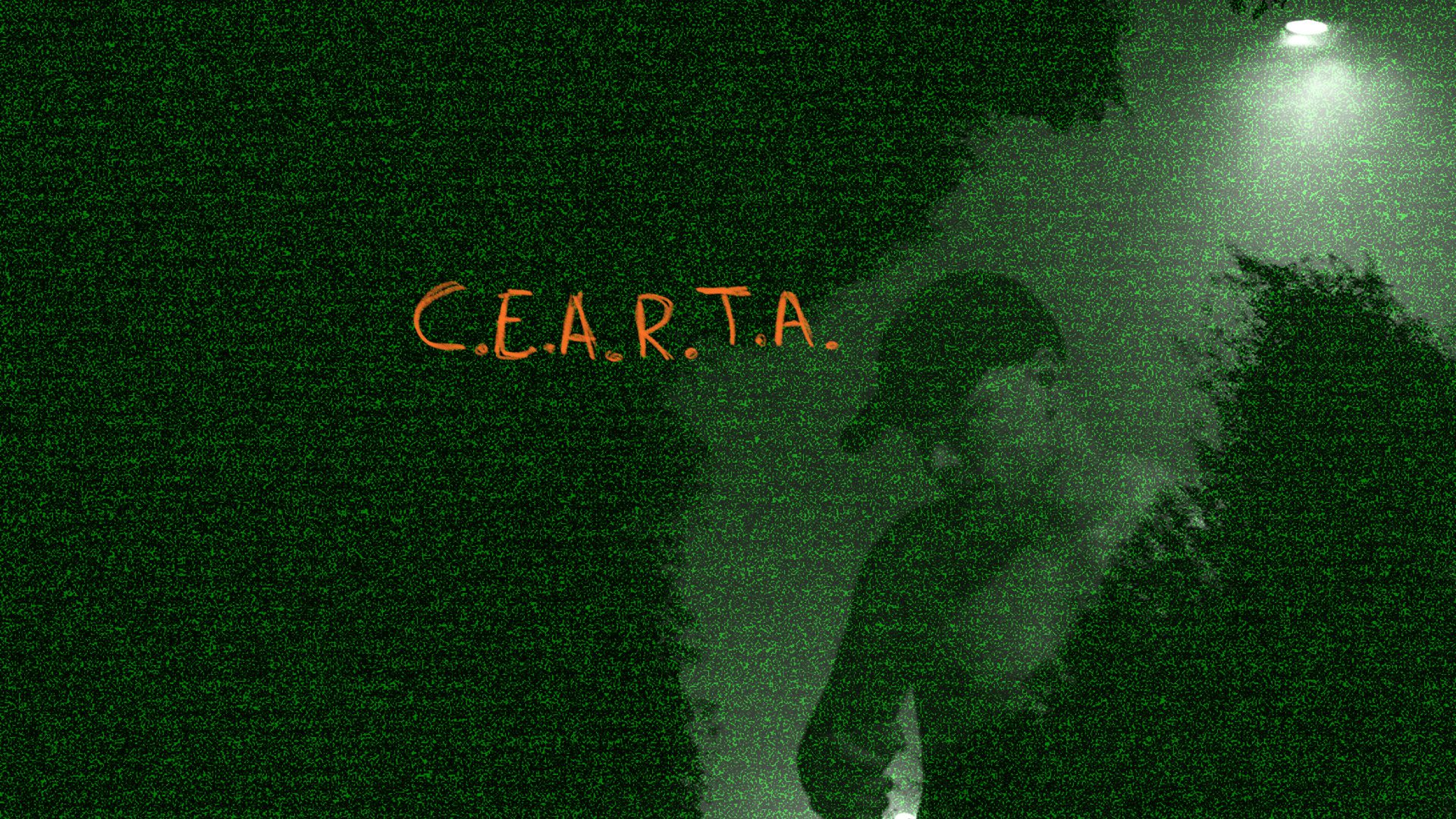
The group started when Móglaí Bap was spray-painting the word “Cearta” (rights) with a friend during a march for the Irish language in Belfast.

His friend was arrested and refused to respond to police questions in English, spending the night in a cell until a translator arrived. This incident led to the creation of their first song, C.E.A.R.T.A..

Sources

BBC [1], [2], [3]

Athinorama

Kneecap.ie

The Guardian

Irish Times

Politico

Gov.uk

UK Parliament

AD(1024x768)