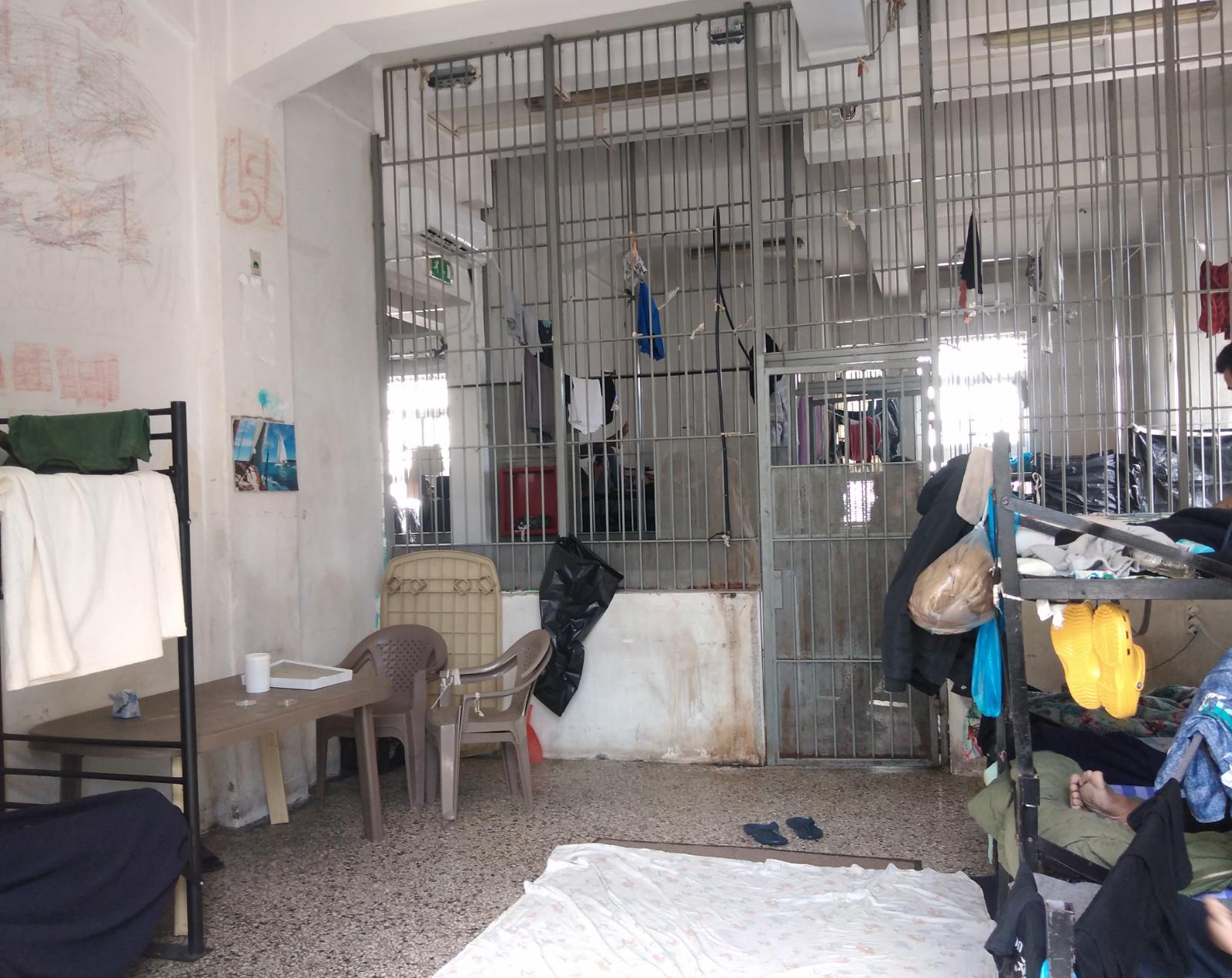
At least 112 foreign nationals have died in custody in Greece since 2000, according to new research from the University of Oxford, which highlights significant gaps in official death records and detainees’ access to healthcare.
The database, presented yesterday by researchers from the “Medicalising Immigration Detention” project, combines data from the Hellenic Police, obtained through freedom of information requests, with media reports, reports by organizations, and witness accounts. It covers deaths in police stations, pre-removal detention centers, during transfers, and in hospitals where individuals remained in custody. It is not limited to people held for immigration-related reasons but also includes foreign nationals detained in connection with criminal cases.
Of the recorded deaths, 84 occurred in police stations and 27 in pre-removal detention centers (facilities holding people undergoing return or deportation procedures). Of those who died, 82 were men and four were women, while the sex of 26 individuals was unknown. The median age among the 70 individuals whose ages were known was 33.5 years. Official sources recorded 44 suicides and 20 deaths from medical causes, while the cause of death was unspecified in 36 cases.
The research includes accounts of delays in medical care and allegations of mistreatment.
According to the researchers, 34 deaths documented by journalists and organizations were missing from the police statistics provided to them. In another 25 cases, the available information was largely limited to the year and location. The researchers note that this does not necessarily mean the deaths had not been recorded internally.
The research also includes accounts of delays in medical care and allegations of mistreatment. At the Amygdaleza detention center, for example, seven healthcare workers were responsible for 666 detainees in April 2026.
According to the researchers, the lack of publicly available information, restricted access to detention facilities for organizations, and difficulties detainees face in communicating with the outside world hinder oversight.
Source: Border Criminologies


 What is fyi.news?